
Joris-Karl Huysmans
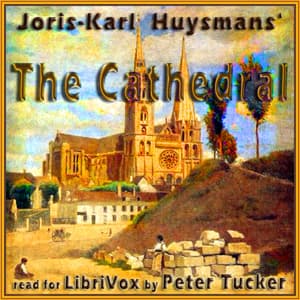
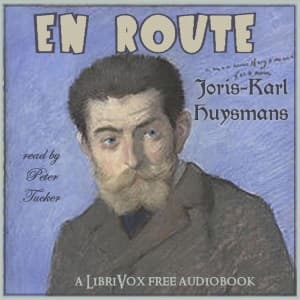
Joris-Karl Huysmans was a French novelist and art critic, best known for his influential works that explored themes of decadence and spirituality. Born in Paris in 1848, he initially pursued a career in the civil service before turning to literature, where he became associated with the Symbolist movement. His early works, such as 'Against the Grain' (À rebours), exemplified the aestheticism of the late 19th century and presented a protagonist who embodies the struggle against societal norms in pursuit of personal fulfillment and beauty. This novel is often regarded as a precursor to the modernist movement, influencing writers like Oscar Wilde and Marcel Proust. In addition to 'Against the Grain,' Huysmans wrote 'Là-bas,' which delves into themes of satanism and the occult, reflecting his fascination with the darker aspects of human experience. His later works, including 'En Route' and 'Cathedral,' mark a significant shift towards spiritual exploration, as he converted to Catholicism and sought to reconcile his artistic sensibilities with his faith. Through these narratives, Huysmans examined the intersection of art, religion, and morality, leaving a lasting impact on both literary and religious discourse. His legacy endures as a key figure in the transition from 19th-century realism to modernist literature, celebrated for his complex characters and rich, evocative prose.
Books from the author

Link to this page
Add a free, dofollow link to Lex on your blog, forum, syllabus, or reading list.

<a href="https://lex-books.com/author/joris-karl-huysmans"><img src="https://lex-books.com/badges/read-on-lex.svg" alt="Joris-Karl Huysmans on Lex" width="160" height="40"></a>[](https://lex-books.com/author/joris-karl-huysmans)[url=https://lex-books.com/author/joris-karl-huysmans][img]https://lex-books.com/badges/read-on-lex.svg[/img][/url]Joris-Karl Huysmans on Lex: https://lex-books.com/author/joris-karl-huysmans