
John Middleton Murry
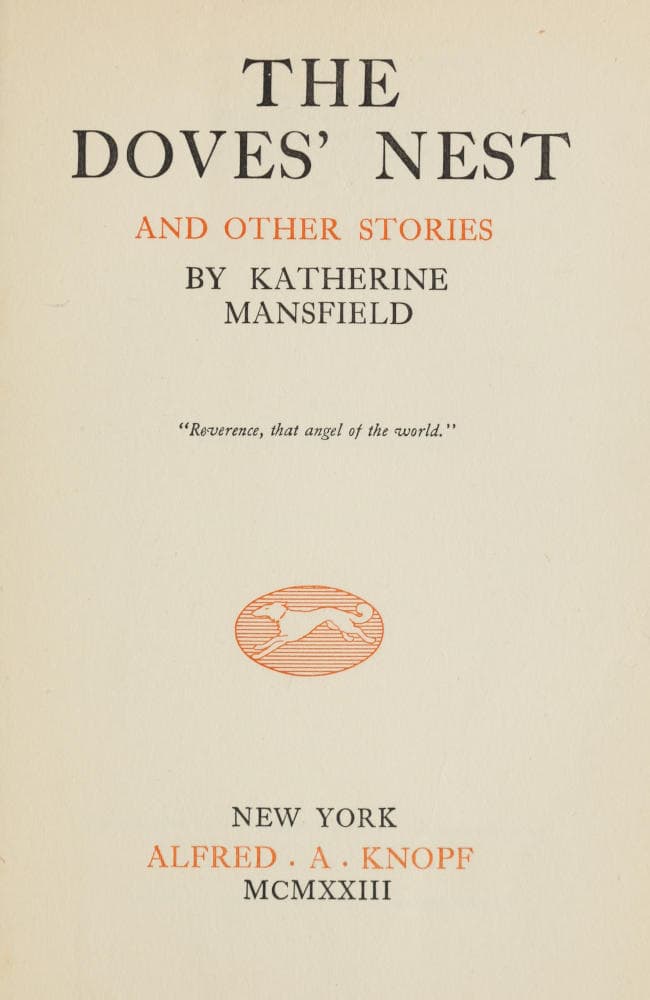
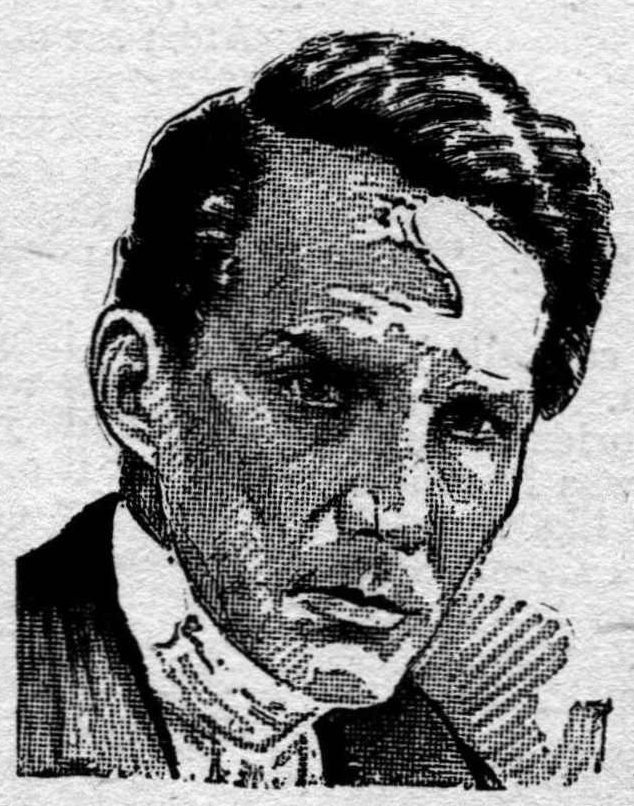
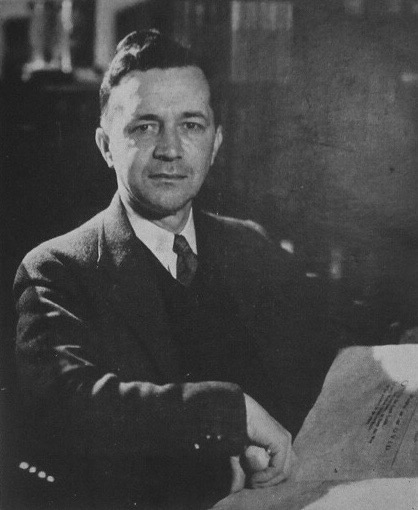
John Middleton Murry was an influential English writer and critic, known for his extensive contributions to literature, social commentary, and the arts. Over his prolific career, he authored more than 60 books and penned thousands of essays and reviews, engaging deeply with themes of politics, religion, and the human condition. Murry's literary significance is closely tied to his relationships with notable figures of his time, including his marriage to the celebrated modernist writer Katherine Mansfield in 1918, which profoundly impacted both their works. Following Mansfield's untimely death, he took on the role of editor for her writings, ensuring her legacy endured in the literary canon. Murry's friendships with other literary giants such as D. H. Lawrence and T. S. Eliot further cemented his place in the modernist movement. His critical insights and personal connections enriched the literary landscape of the early 20th century, making him a pivotal figure in the evolution of modern literature. His works, while sometimes overshadowed by those of his contemporaries, reflect a deep engagement with the complexities of human experience and continue to be of interest to scholars exploring the intersections of personal and literary lives.
Famous Quotes
View all 3 quotes“The Dream of a Queer Fellow I write the words again and they appear doubly pregnant with meaning. It is a true and terrible phrase : true, because we are all queer fellows dreaming ; and we are queer just because we dream ; terrible, because of the vastness of the unknown which it carries within itself, because it sets loose the tremendous and awful question : What if we are only queer fellows dreaming ? What if behind the veil the truth is leering and jeering at our queerness and our dreams? What if the queer fellow of the story were right, before he dreamed ? What if it were really all the same? What if it were all the same not once but a million times, life after life, world after world, the same pain, the same doubt, the same dreams? The queer fellow went but one day's journey along the eternal recurrence which threatens human minds and human destinies. When he returned he was queer. There was another man went the same journey. Friedrich Nietzsche dreamed this very dream in the mountains of the Engadine. When he returned he too was queer.”
“In literature there is no such thing as a pure thought; in literature, thought is always the handmaid of emotion.”
“We know that all things work together for good to them that love God.”
Books from the author

Link to this page
Add a free, dofollow link to Lex on your blog, forum, syllabus, or reading list.

<a href="https://lex-books.com/author/john-middleton-murry"><img src="https://lex-books.com/badges/read-on-lex.svg" alt="John Middleton Murry on Lex" width="160" height="40"></a>[](https://lex-books.com/author/john-middleton-murry)[url=https://lex-books.com/author/john-middleton-murry][img]https://lex-books.com/badges/read-on-lex.svg[/img][/url]John Middleton Murry on Lex: https://lex-books.com/author/john-middleton-murry