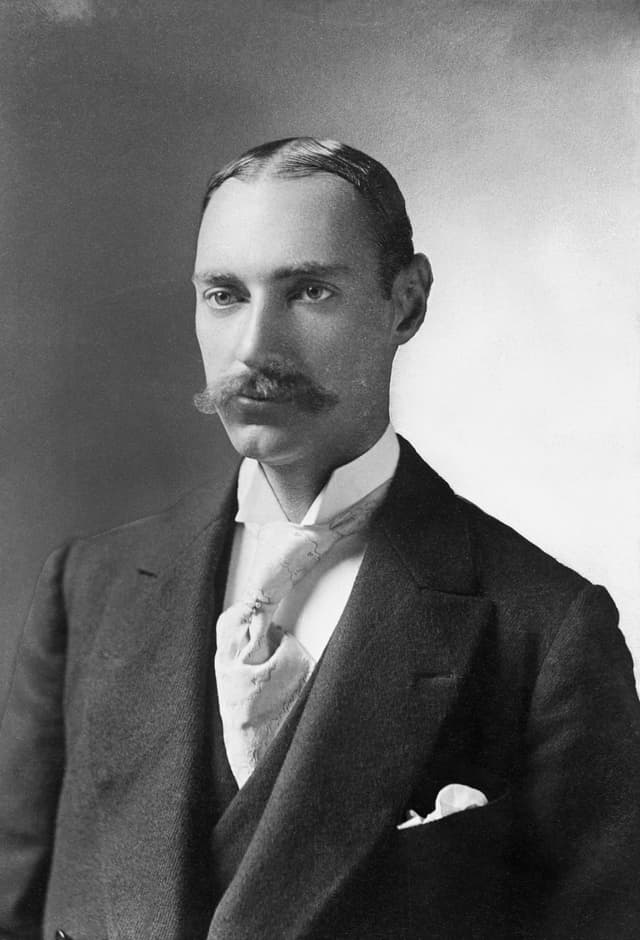
John Jacob Astor
John Jacob Astor was a German-born American businessman and the first multi-millionaire in the United States. He immigrated to the U.S. after the American Revolutionary War, initially working in the fur trade, where he established a monopoly that extended from the Great Lakes to the Pacific Coast. His keen business acumen allowed him to capitalize on the burgeoning demand for fur, particularly beaver pelts, which were highly sought after for men's hats and clothing in Europe. As the fur trade began to decline in the 1830s, Astor diversified his investments into real estate, particularly in New York City, which solidified his status as one of the wealthiest individuals of his time. Astor's legacy is marked not only by his immense wealth, estimated at $20 to $30 million at his death, but also by his influence on American commerce and culture. He became a prominent patron of the arts, contributing to the cultural landscape of New York City. His financial prowess was so significant that it was noted that he controlled a substantial portion of the U.S. economy, with one in every hundred dollars in circulation at one point ending up in his hands. Astor's life and career exemplify the entrepreneurial spirit of early America and the transformative power of commerce in shaping the nation’s development.
Famous Quotes
View all 1 quotes“Following this formula, John Jacob Astor, who arrived in America the classic penniless immigrant in 1792, rose to become the “landlord of New York” and the richest man in America by the time he died in 1848.””
Books from the author



Link to this page
Add a free, dofollow link to Lex on your blog, forum, syllabus, or reading list.

<a href="https://lex-books.com/author/john-jacob-astor"><img src="https://lex-books.com/badges/read-on-lex.svg" alt="John Jacob Astor on Lex" width="160" height="40"></a>[](https://lex-books.com/author/john-jacob-astor)[url=https://lex-books.com/author/john-jacob-astor][img]https://lex-books.com/badges/read-on-lex.svg[/img][/url]John Jacob Astor on Lex: https://lex-books.com/author/john-jacob-astor