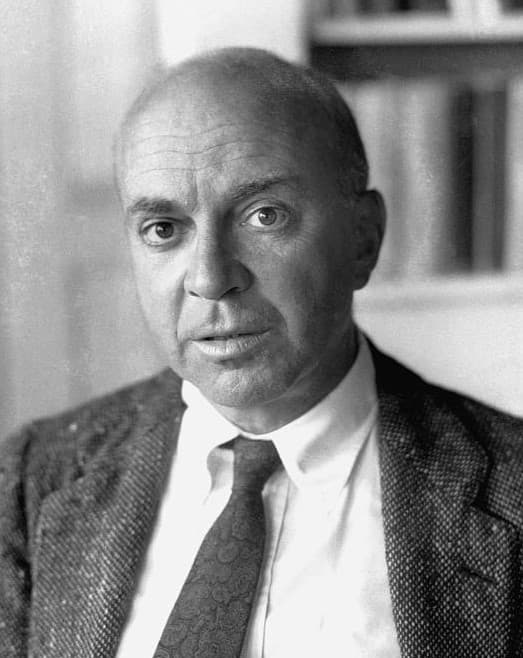
John Dos Passos
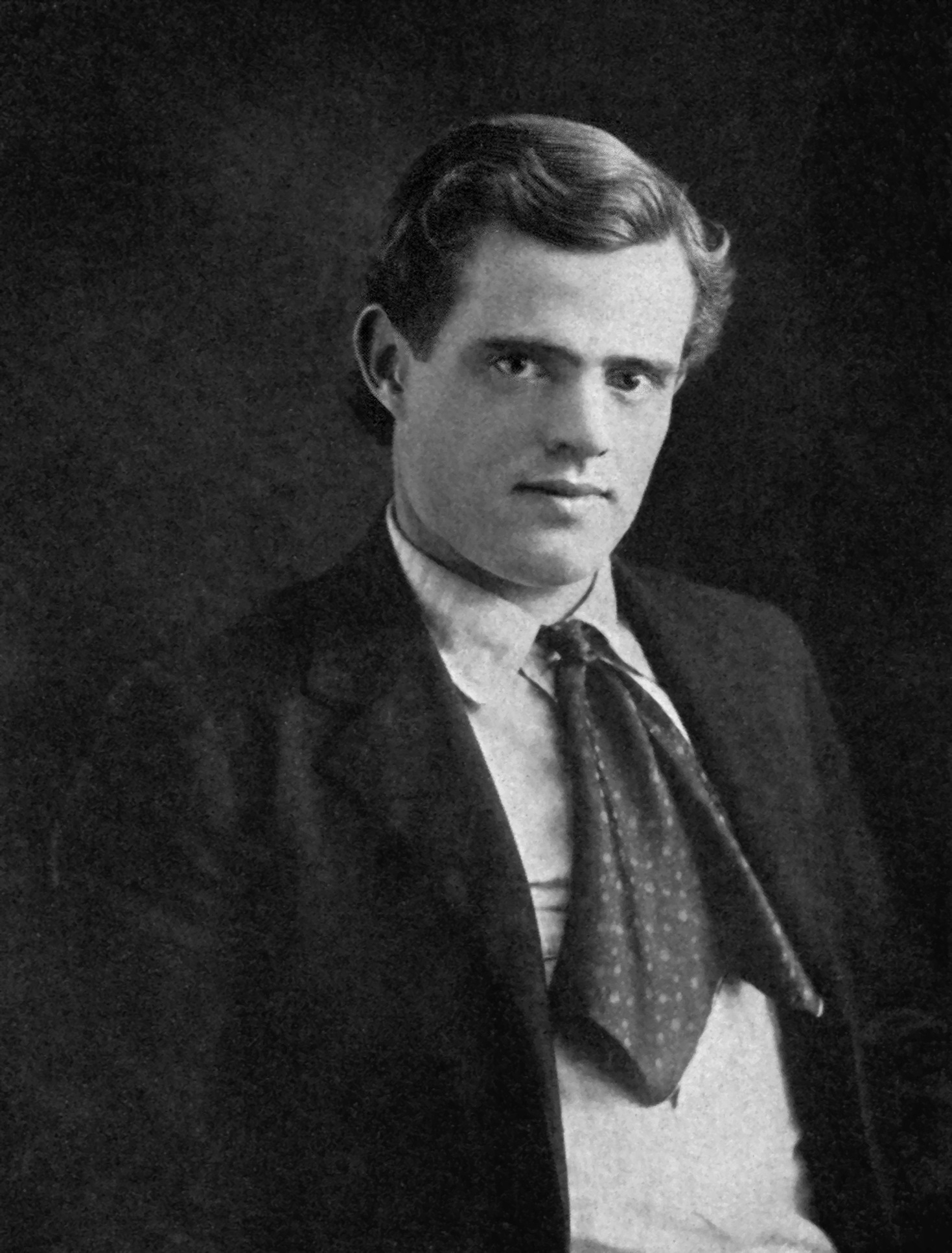
John Dos Passos was an influential American novelist best known for his groundbreaking U.S.A. trilogy, which captured the complexities of early 20th-century American life. Born in Chicago, he graduated from Harvard College in 1916 and embarked on extensive travels across Europe and southwest Asia, experiences that enriched his literary perspective. His service as an ambulance driver during World War I further shaped his worldview, leading to a deep engagement with social issues that would permeate his work. His debut novel, One Man's Initiation: 1917, was published in 1920, but it was Manhattan Transfer in 1925 that solidified his reputation as a significant literary voice. The U.S.A. trilogy, comprising The 42nd Parallel, 1919, and The Big Money, is notable for its innovative narrative structure, blending fiction with elements of biography and journalism. This experimental approach not only reflected the tumultuous socio-political landscape of the time but also influenced generations of writers. Dos Passos's commitment to portraying the American experience, with its challenges and contradictions, has left a lasting legacy in American literature, marking him as a pivotal figure in the modernist movement.
Famous Quotes
View all 3 quotes“We work to eat to get the strength to work to eat to get the strength to work.”
“If there is a special Hell for writers it would be in the forced contemplation of their own works, with all the misconceptions, the omissions, the failures that any finished work of art implies.”
“I never see the dawn that I don't say to myself perhaps.”
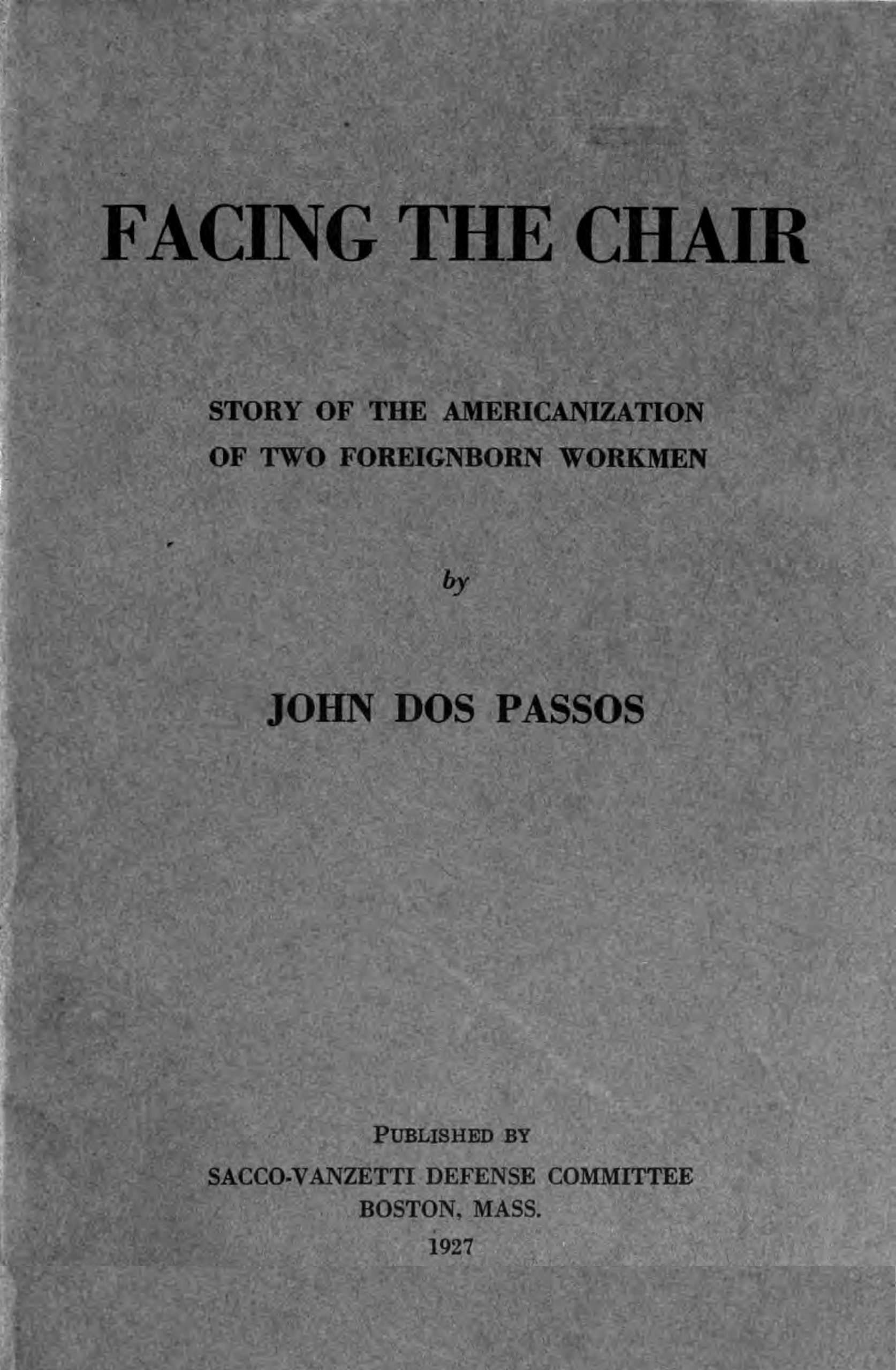
Books from the author









Link to this page
Add a free, dofollow link to Lex on your blog, forum, syllabus, or reading list.

<a href="https://lex-books.com/author/john-dos-passos"><img src="https://lex-books.com/badges/read-on-lex.svg" alt="John Dos Passos on Lex" width="160" height="40"></a>[](https://lex-books.com/author/john-dos-passos)[url=https://lex-books.com/author/john-dos-passos][img]https://lex-books.com/badges/read-on-lex.svg[/img][/url]John Dos Passos on Lex: https://lex-books.com/author/john-dos-passos