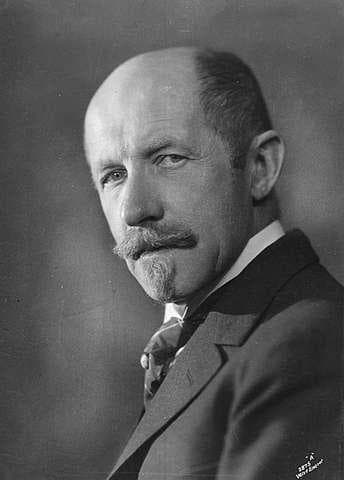
Johan Bojer
Johan Bojer was a prominent Norwegian novelist and dramatist known for his poignant depictions of the struggles faced by poor farmers and fishermen. Born in 1872, he drew inspiration from the rural landscapes of Norway and the experiences of Norwegian immigrants in the United States. His works often explored themes of hardship, resilience, and the connection to nature, reflecting the socio-economic realities of his time. Notable works such as 'The Last of the Vikings' and 'The Great Hunger' showcase his ability to weave compelling narratives that resonate with the human experience. Bojer's literary contributions earned him significant recognition, including five nominations for the Nobel Prize in Literature. His storytelling not only illuminated the lives of marginalized communities but also contributed to a broader understanding of Norwegian culture and identity. Through his vivid characters and evocative settings, Bojer left an enduring legacy in Norwegian literature, influencing future generations of writers and readers alike, and solidifying his place as a key figure in the literary landscape of the early 20th century.
Famous Quotes
View all 1 quotes“If you came back, you wanted to leave again; if you went away, you longed to come back. Wherever you were, you could hear the call of the homeland, like the note of the herdsman's horn far away in the hills. You had one home out there and one over here, and yet you were an alien in both places. Your true abiding place was the vision of something very far off, and your soul was like the waves, always restless, forever in motion.”
Books from the author


Link to this page
Add a free, dofollow link to Lex on your blog, forum, syllabus, or reading list.

<a href="https://lex-books.com/author/johan-bojer"><img src="https://lex-books.com/badges/read-on-lex.svg" alt="Johan Bojer on Lex" width="160" height="40"></a>[](https://lex-books.com/author/johan-bojer)[url=https://lex-books.com/author/johan-bojer][img]https://lex-books.com/badges/read-on-lex.svg[/img][/url]Johan Bojer on Lex: https://lex-books.com/author/johan-bojer