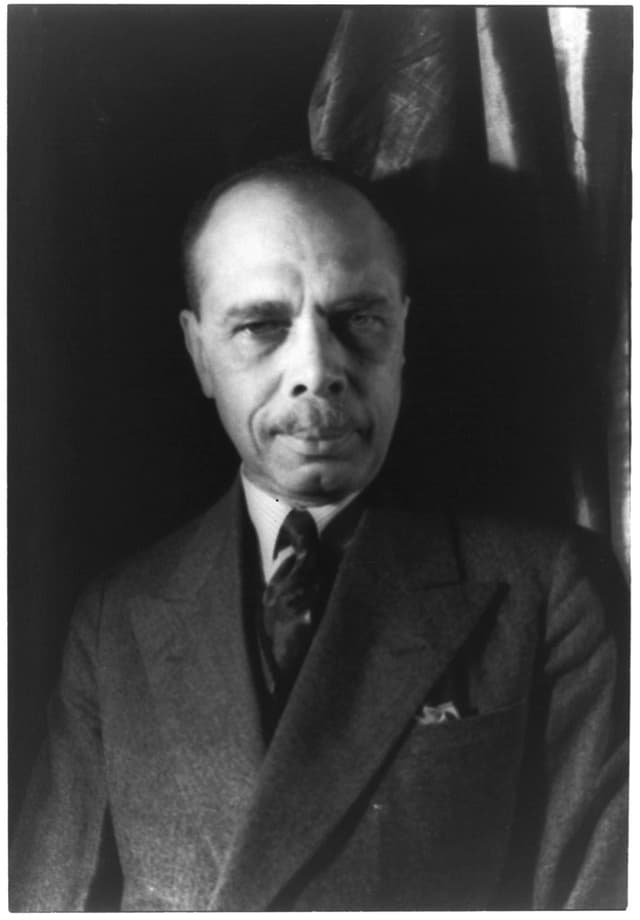
James Weldon Johnson
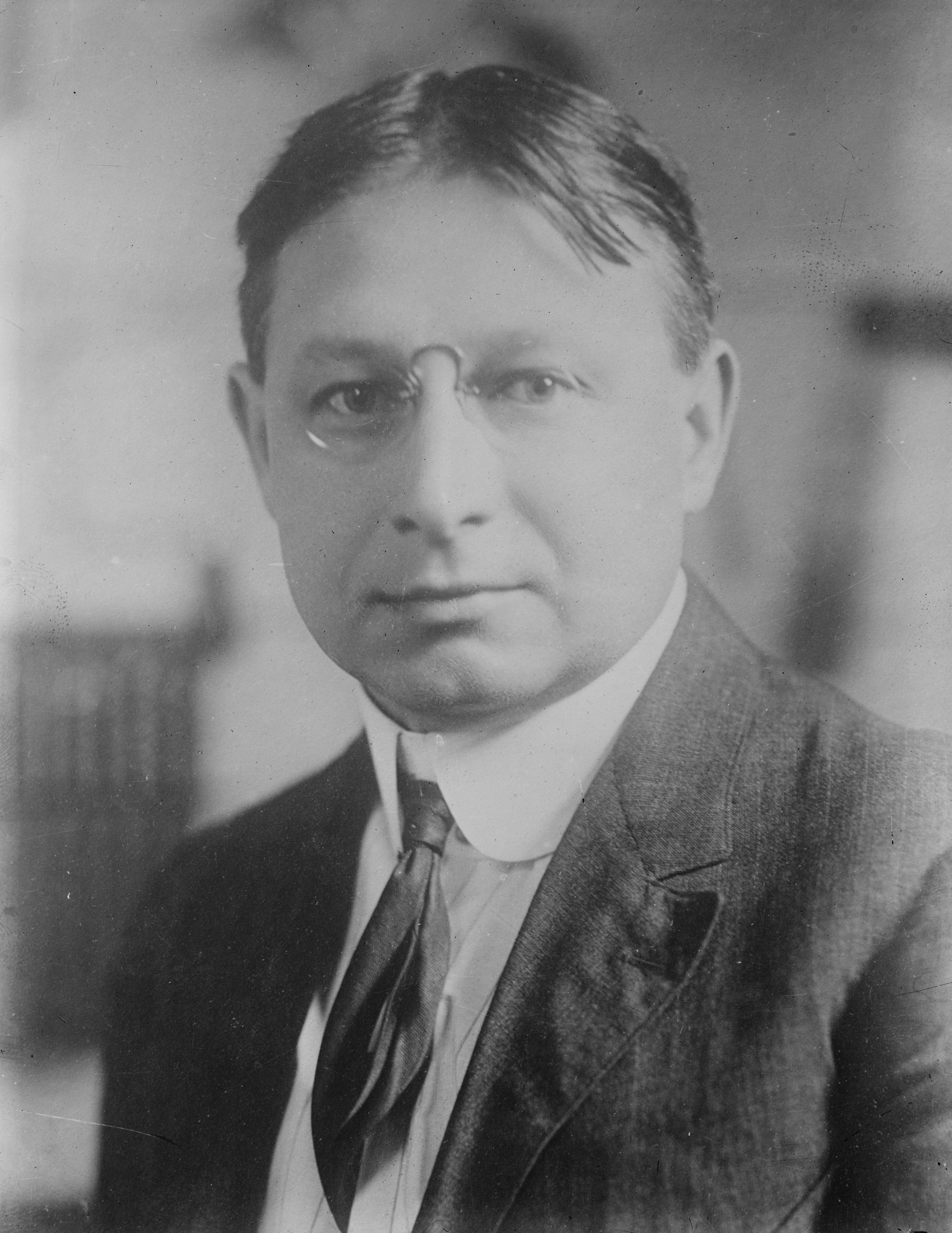
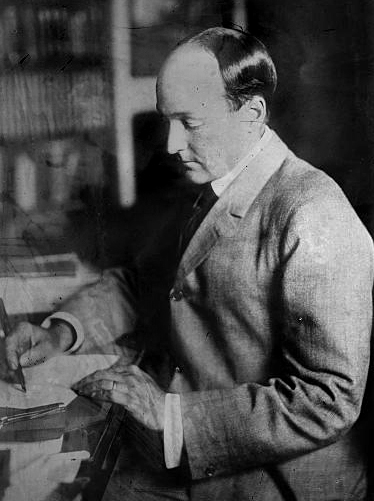
James Weldon Johnson was an influential American writer, civil rights activist, and a prominent figure during the Harlem Renaissance. Born in 1871, he made significant contributions to literature and civil rights, notably serving as the executive secretary of the NAACP from 1920 to 1930. Johnson's literary works include poetry, novels, and anthologies that celebrated Black culture, with his most famous piece being the lyrics to 'Lift Every Voice and Sing,' which has become known as the Black National Anthem. His writings often explored themes of identity, resilience, and social justice, making him a vital voice in the fight for civil rights. In addition to his literary achievements, Johnson held various significant positions throughout his career, including serving as U.S. consul in Venezuela and Nicaragua under President Theodore Roosevelt. He was also a trailblazer in academia, becoming the first African American professor at New York University in 1934 and later teaching at Fisk University. Johnson's legacy endures through his contributions to literature and civil rights, and in 2020, New York University established the James Weldon Johnson Professorship to honor his impact on scholarship and the arts.
Famous Quotes
View all 2 quotes“New York City is the most fatally fascinating thing in America. She sits like a great witch at the gate of the country, showing her alluring white face and hiding her crooked hands and feet under the folds of her wide garments--constantly enticing thousands from far within, and tempting those who come from across the seas to go no farther. And all these become the victims of her caprice. Some she at once crushes beneath her cruel feet; others she condemns to a fate like that of galley slaves; a few she favors and fondles, riding them high on the bubbles of fortune; then with a sudden breath she blows the bubbles out and laughs mockingly as she watches them fall.”
“It’s no disgrace to be black, but it’s often very inconvenient.”
Books from the author





Link to this page
Add a free, dofollow link to Lex on your blog, forum, syllabus, or reading list.

<a href="https://lex-books.com/author/james-weldon-johnson"><img src="https://lex-books.com/badges/read-on-lex.svg" alt="James Weldon Johnson on Lex" width="160" height="40"></a>[](https://lex-books.com/author/james-weldon-johnson)[url=https://lex-books.com/author/james-weldon-johnson][img]https://lex-books.com/badges/read-on-lex.svg[/img][/url]James Weldon Johnson on Lex: https://lex-books.com/author/james-weldon-johnson