James A. Cooper
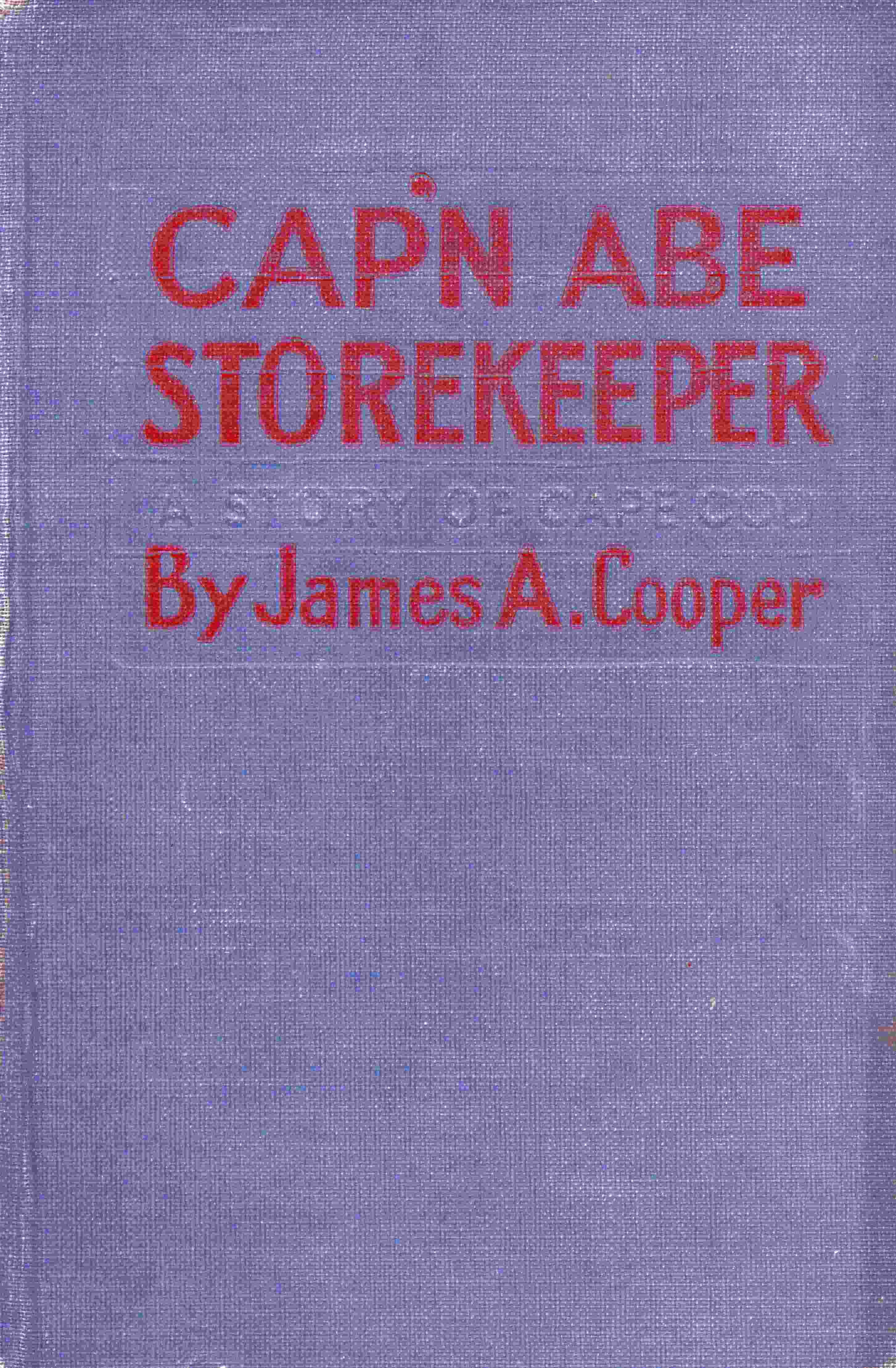
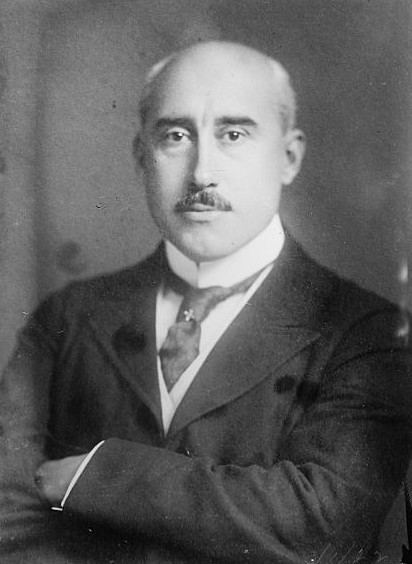
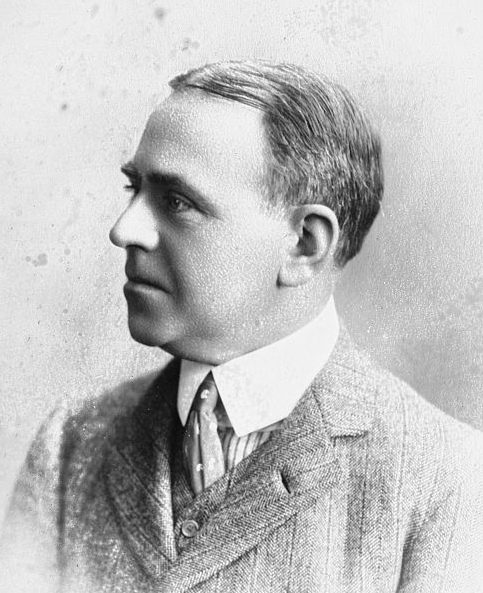
James A. Cooper was an American author known for his vivid depictions of life in Cape Cod, Massachusetts. His works often centered around the region's unique culture, maritime heritage, and the everyday lives of its inhabitants. Cooper's storytelling was characterized by a blend of local color and engaging narratives, making his books resonate with readers who appreciated tales rooted in specific locales. Among his notable works are 'Sheila of Big Wreck Cove,' 'Cap'n Abe, Storekeeper,' and 'Cap'n Jonah's Fortune,' each of which explores themes of community, resilience, and the complexities of human relationships against the backdrop of Cape Cod's picturesque scenery. Cooper's contributions to regional literature helped to illuminate the charm and challenges of life in coastal New England during the late 19th and early 20th centuries. His ability to weave local lore with relatable characters allowed him to capture the essence of Cape Cod, making his stories not only entertaining but also a valuable reflection of the time and place he depicted. Though not as widely known today, Cooper's works remain a testament to the rich narrative tradition of American regionalism, celebrating the unique voices and experiences of small-town life.
Famous Quotes
View all 12 quotes“The messages coming back flooded the comm buffers with rage and sorrow, threats of vengeance and offers of aid. Those last were the hardest. New colonies still trying to force their way into local ecosystems so exotic that their bodies could hardly recognize them as life at all, isolated, exhausted, sometimes at the edge of their resources. And what they wanted was to send back help. He listened to their voices, saw the distress in their eyes. He couldn't help, but love them a little bit. Under the best conditions, disasters and plagues did that. It wasn't universally true. There would always be hoarders and price gouging, people who closed their doors to refugees and left them freezing and starving. But the impulse to help was there too. To carry a burden together, even if it meant having less for yourself. Humanity had come as far as it had in a haze of war, sickness, violence, and genocide. History was drenched in blood. But it also had cooperation and kindness, generosity, intermarriage. The one didn’t come without the other.””
“Humanity had come as far as it had in a haze of war, sickness, violence, and genocide. History was drenched in blood. But it also had cooperation and kindness, generosity, intermarriage. The one didn’t come without the other, and Holden had to take comfort in that. The sense that however terrible humanity’s failings were, there was still a little more in them worth admiring.””
“History was drenched in blood. But it also had cooperation and kindness, generosity, intermarriage.””
Books from the author












Link to this page
Add a free, dofollow link to Lex on your blog, forum, syllabus, or reading list.

<a href="https://lex-books.com/author/james-a-cooper"><img src="https://lex-books.com/badges/read-on-lex.svg" alt="James A. Cooper on Lex" width="160" height="40"></a>[](https://lex-books.com/author/james-a-cooper)[url=https://lex-books.com/author/james-a-cooper][img]https://lex-books.com/badges/read-on-lex.svg[/img][/url]James A. Cooper on Lex: https://lex-books.com/author/james-a-cooper