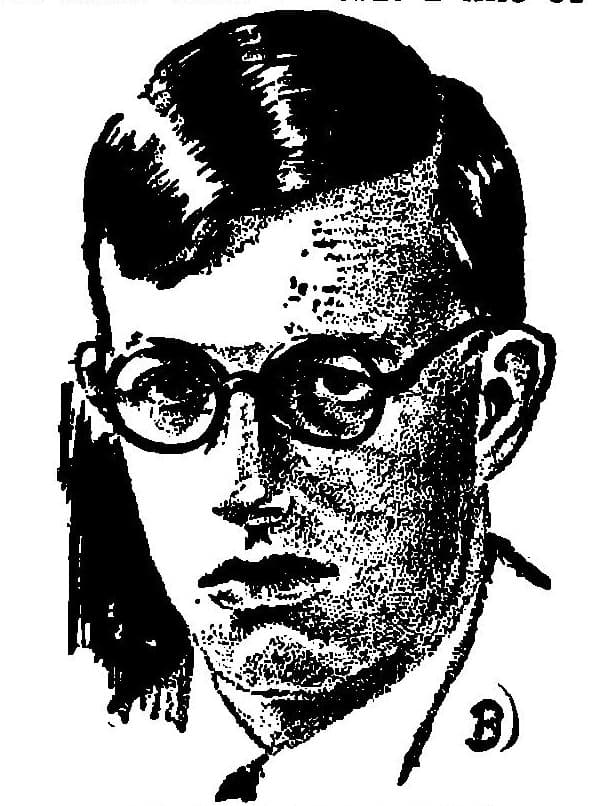
Jack Williamson
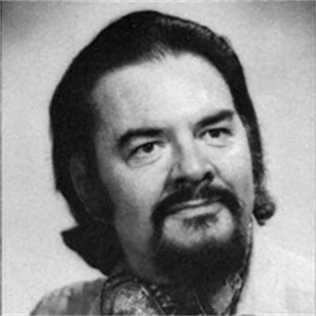
Jack Williamson was an influential American science fiction writer, often referred to as the 'Dean of Science Fiction.' Born John Stewart Williamson, he made significant contributions to the genre, particularly in the realms of speculative fiction and futurism. Williamson's early works, such as 'The Legion of Space' and 'The Humanoids,' showcased his imaginative prowess and ability to explore complex themes, including the implications of technology and the human condition. He was among the first to use the term 'genetic engineering,' highlighting his forward-thinking approach to science and its potential impact on society. Throughout his prolific career, Williamson wrote numerous novels and short stories that not only entertained but also provoked thought about the future of humanity. His works often blended elements of adventure with philosophical inquiry, establishing him as a key figure in the development of science fiction as a serious literary form. Williamson's legacy endures through his contributions to the genre, influencing countless writers and shaping the landscape of speculative fiction for generations to come.
Famous Quotes
View all 3 quotes“I'm a strict materialist - but the police are brutal materialists.”
“Her long body stiffened against him. Her cool fingers tightened in his shaggy fur, and her bare, clinging heels dug deep into his heaving flanks. She was sweet against him, and the clear logic of this new life conquered the dreary conventions of that old, dim existence where he had walked in bitter death.”
“Barbee had wondered about insanity, sometimes with a brooding dread - for his own father, whom he scarcely remembered, had died in the forbidding stone pile of the state asylum. He had vaguely supposed that a mental breakdown must be somehow strange and thrilling, with an exciting conflict of horrible depression and wild elation. But perhaps it was more often like this, just a baffled apathetic retreat from problems grown too difficult to solve.”
Books from the author
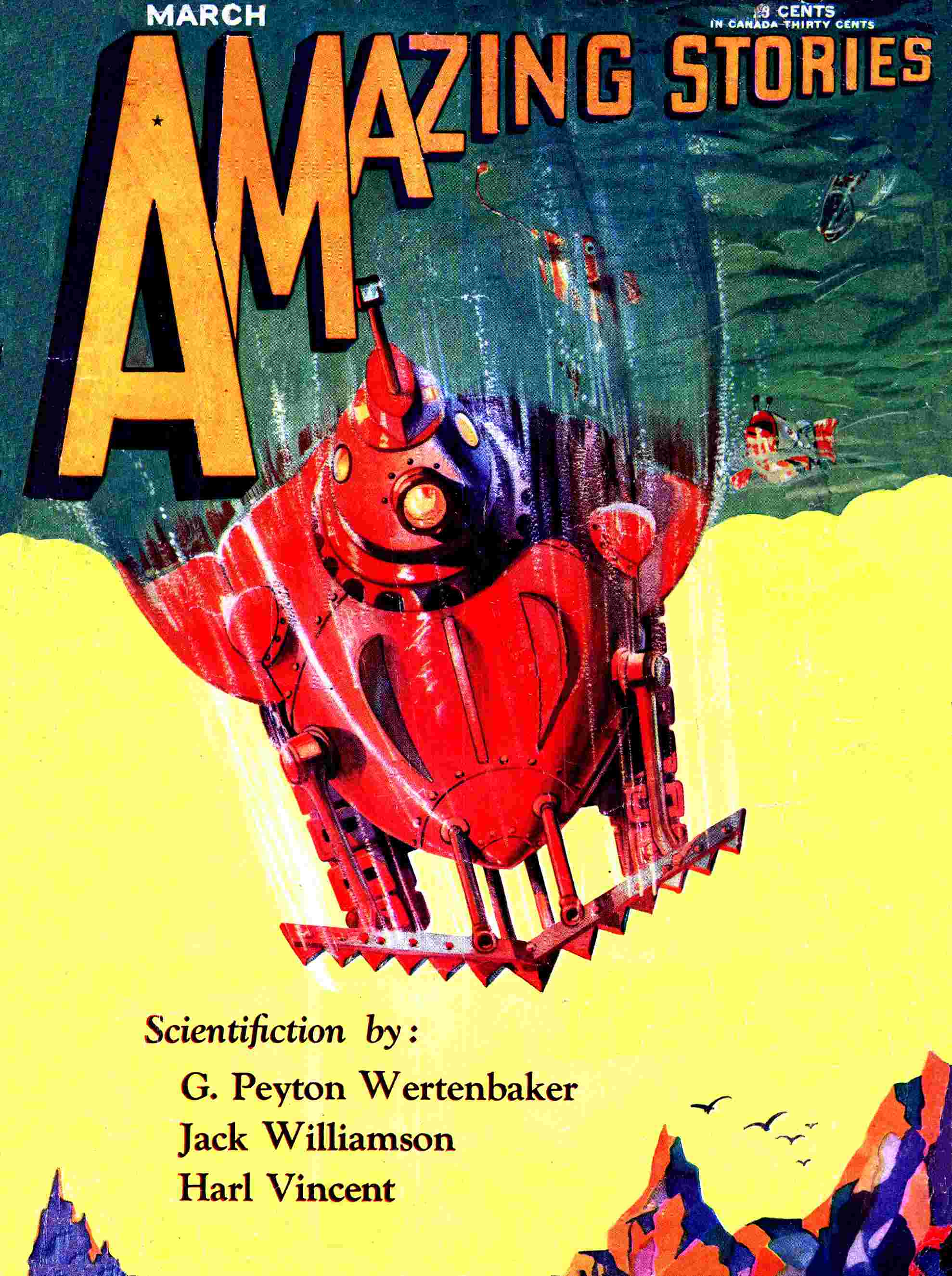
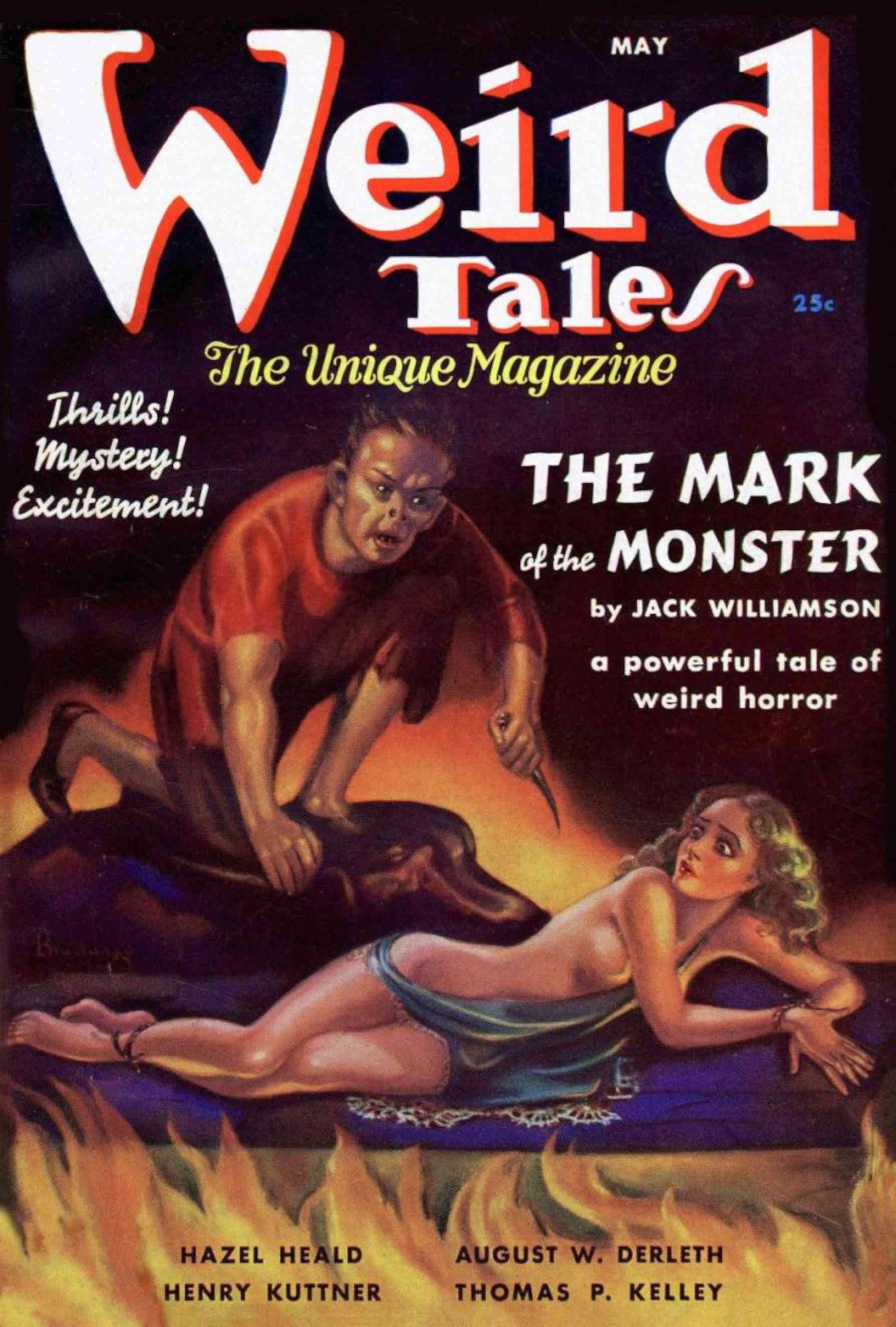

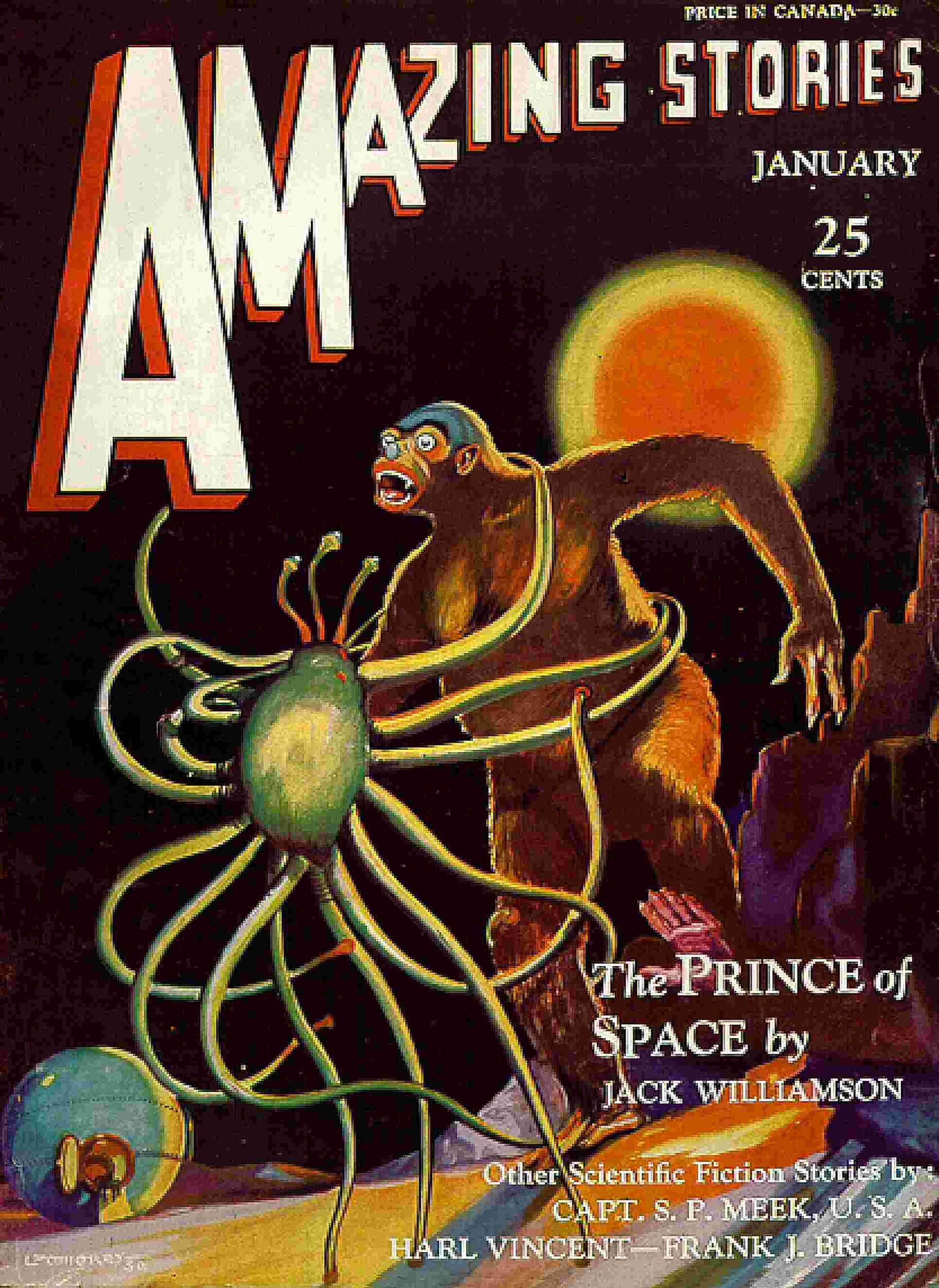





Link to this page
Add a free, dofollow link to Lex on your blog, forum, syllabus, or reading list.

<a href="https://lex-books.com/author/jack-williamson"><img src="https://lex-books.com/badges/read-on-lex.svg" alt="Jack Williamson on Lex" width="160" height="40"></a>[](https://lex-books.com/author/jack-williamson)[url=https://lex-books.com/author/jack-williamson][img]https://lex-books.com/badges/read-on-lex.svg[/img][/url]Jack Williamson on Lex: https://lex-books.com/author/jack-williamson