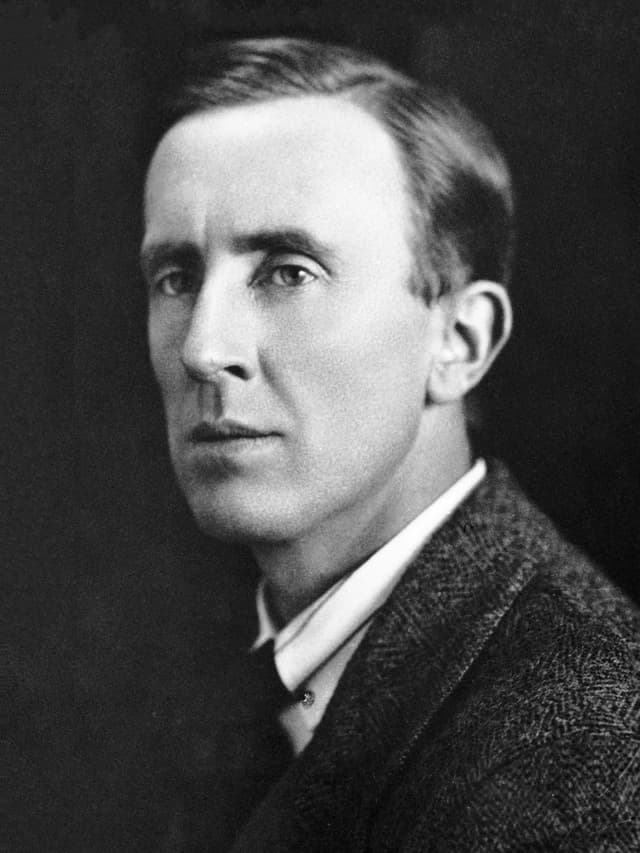
J. R. R. Tolkien
J. R. R. Tolkien was an English writer, philologist, and academic best known for his high-fantasy works, particularly 'The Hobbit' and 'The Lord of the Rings' trilogy. Born in South Africa and raised in England, Tolkien developed a passion for languages and mythology from an early age, which profoundly influenced his literary creations. His experiences in World War I and his academic career at Oxford University further shaped his worldview and writing style, leading him to create richly detailed worlds filled with intricate histories and languages. Tolkien's literary significance lies in his pioneering role in the fantasy genre, establishing a framework that would inspire countless authors and adaptations in various media. 'The Hobbit,' published in 1937, introduced readers to the enchanting world of Middle-earth, while 'The Lord of the Rings,' released in three volumes between 1954 and 1955, expanded on this universe, exploring themes of heroism, friendship, and the struggle between good and evil. His innovative approach to world-building and character development has left an indelible mark on literature, earning him a devoted following and cementing his legacy as the father of modern fantasy literature.
Famous Quotes
View all 20 quotes“All that is gold does not glitter,Not all those who wander are lost;The old that is strong does not wither,Deep roots are not reached by the frost.From the ashes a fire shall be woken,A light from the shadows shall spring;Renewed shall be blade that was broken,The crownless again shall be king.””
“Not all those who wander are lost.””
“I wish it need not have happened in my time," said Frodo."So do I," said Gandalf, "and so do all who live to see such times. But that is not for them to decide. All we have to decide is what to do with the time that is given us.””
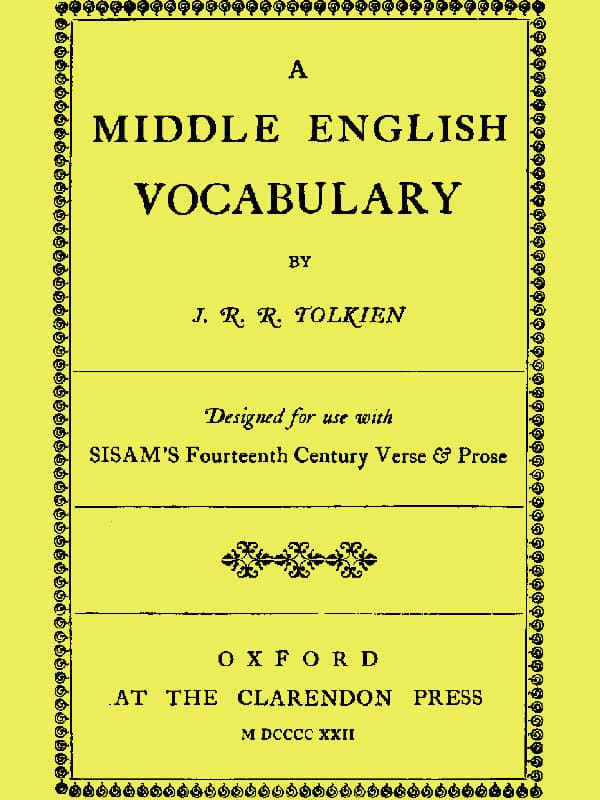
Books from the author

Link to this page
Add a free, dofollow link to Lex on your blog, forum, syllabus, or reading list.

<a href="https://lex-books.com/author/j-r-r-tolkien"><img src="https://lex-books.com/badges/read-on-lex.svg" alt="J. R. R. Tolkien on Lex" width="160" height="40"></a>[](https://lex-books.com/author/j-r-r-tolkien)[url=https://lex-books.com/author/j-r-r-tolkien][img]https://lex-books.com/badges/read-on-lex.svg[/img][/url]J. R. R. Tolkien on Lex: https://lex-books.com/author/j-r-r-tolkien