Isobel Wylie Hutchison
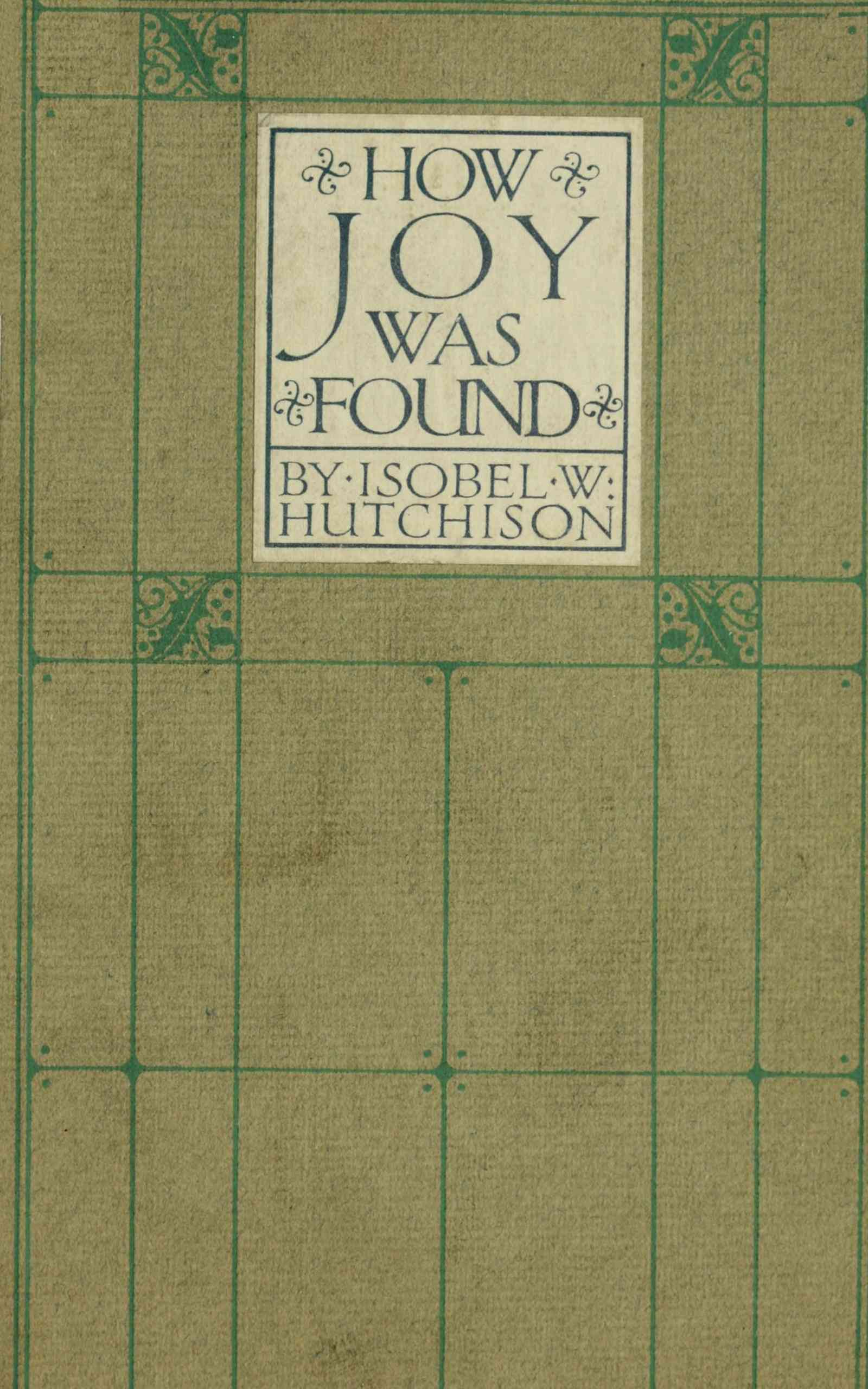
Isobel Wylie Hutchison was a pioneering Scottish Arctic traveler, filmmaker, and botanist whose adventurous spirit and literary contributions left a lasting impact on the fields of exploration and botany. Born in 1889, she embarked on numerous expeditions to remote regions including Iceland, Greenland, Alaska, and the Aleutian Islands. Hutchison documented her travels through poetry and prose, publishing works that captured the beauty and challenges of these landscapes. Her articles appeared in prestigious publications such as National Geographic, where her vivid descriptions and insights brought the Arctic experience to a broader audience. In addition to her writing, Hutchison was an accomplished lecturer, utilizing her films, photographs, and paintings to enhance her presentations. Her dedication to botany is evident in the extensive collection of plants she gathered during her travels, many of which are preserved in renowned institutions like Kew Gardens and the Royal Botanic Garden Edinburgh. Hutchison's achievements were recognized with several honors, including being the first woman to receive the Mungo Park Medal from the Royal Scottish Geographical Society in 1934 and an honorary degree from the University of St Andrews in 1949. Her legacy endures through her contributions to literature and science, inspiring future generations of explorers and naturalists.
Famous Quotes
View all 2 quotes“Foula was chosen in 1936 as the scene for Michael Powell's film The Edge of the World , which depicts the tragedy of such islands with their dwindling populations. Much amusement was caused when mainland newspapers showed banner headlines describing the 'desperate plight' of the cast, cut off by storm for three weeks on the island. To the inhabitants this was a very normal occurance.”
“Messrs Hunter's up-to-date woollen mill at Brora deals with the small crofter's single bag of wool sent through the post as well as with the large farmer's flocks and bales, and thus has a personal touch lacking in larger industrial centres. A customer from the Outer Isles, for example, may demand in exchange for the product of her two 'ewe lambs' some knitting wool or maybe a pair of socks. Another would like a jumper, or a blanket of a certain shade. If you want the product of your own sheep for your own wear (and this must surely have a particular charm for the wearer!) that too may be arranged. Here I saw wool in all the stages of washing, teasing, dying, spinning and weaving into colourful tweeds and tartans for Scotland's export trade.”
Books from the author

Link to this page
Add a free, dofollow link to Lex on your blog, forum, syllabus, or reading list.

<a href="https://lex-books.com/author/isobel-wylie-hutchison"><img src="https://lex-books.com/badges/read-on-lex.svg" alt="Isobel Wylie Hutchison on Lex" width="160" height="40"></a>[](https://lex-books.com/author/isobel-wylie-hutchison)[url=https://lex-books.com/author/isobel-wylie-hutchison][img]https://lex-books.com/badges/read-on-lex.svg[/img][/url]Isobel Wylie Hutchison on Lex: https://lex-books.com/author/isobel-wylie-hutchison