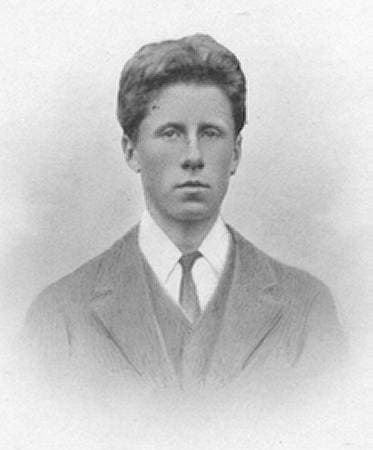
Hugh Lofting
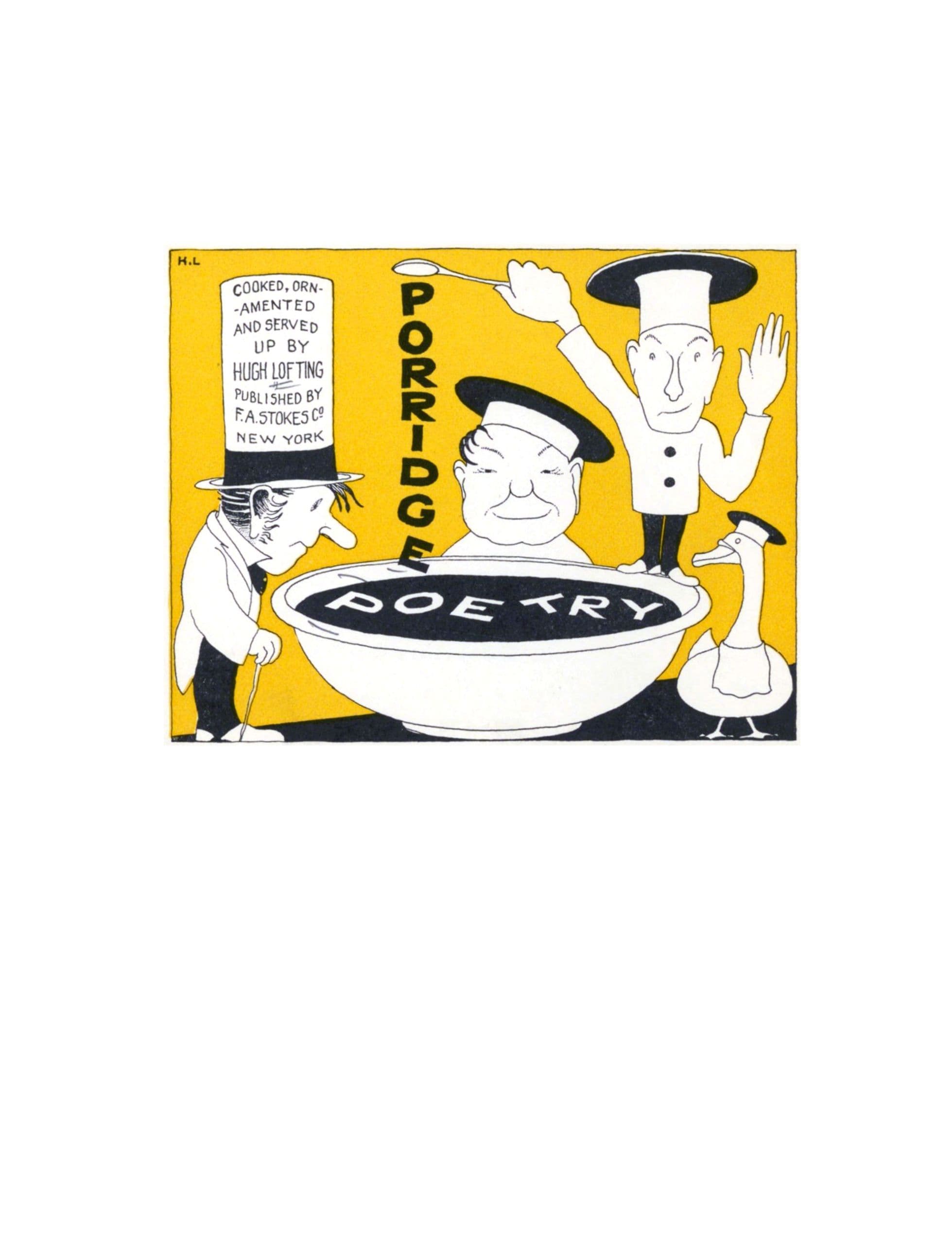
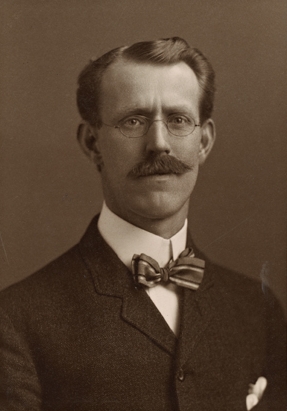
Hugh Lofting was an English-American author best known for creating the beloved character Doctor Dolittle, a physician who could communicate with animals. His inspiration for this whimsical character emerged during World War I, when he penned illustrated letters to his children from the trenches, infusing his writing with imagination and a sense of wonder. After the war, Lofting moved to the United States, where he published his first book, 'The Story of Doctor Dolittle,' in 1920. This work not only captivated young readers but also established a new genre of children's literature that blended adventure with themes of empathy and understanding towards animals. Lofting's Doctor Dolittle series, which includes titles such as 'The Voyages of Doctor Dolittle' and 'Doctor Dolittle's Circus,' became immensely popular and influential, earning a place in the canon of children's literature. His unique storytelling approach and the character's moral lessons about kindness and respect for all living beings have left a lasting impact on generations of readers. Lofting's legacy continues through adaptations in film and theater, ensuring that Doctor Dolittle remains a cherished figure in popular culture.
Famous Quotes
View all 3 quotes“Some people you will always have about you whom you can trust, and no man these days can boast of more than that. Remember them; forget the others.”
“What is war?' I asked. Oh, it's a messy, stupid business,' he said, 'Two sides wave flags and beat drums and shoot one another dead. It always begins this way, making speeches, talking about rights, and all that sort of thing.' But what is it for? What do they get out of it?' I don't know,' he said. 'To tell you the truth, I don't think they know themselves.”
“I suppose once you've been accused of being a witch, you're never really safe. People may blame all sorts of accidents and misfortunes on you.”
Books from the author




Link to this page
Add a free, dofollow link to Lex on your blog, forum, syllabus, or reading list.

<a href="https://lex-books.com/author/hugh-lofting"><img src="https://lex-books.com/badges/read-on-lex.svg" alt="Hugh Lofting on Lex" width="160" height="40"></a>[](https://lex-books.com/author/hugh-lofting)[url=https://lex-books.com/author/hugh-lofting][img]https://lex-books.com/badges/read-on-lex.svg[/img][/url]Hugh Lofting on Lex: https://lex-books.com/author/hugh-lofting