Hermas
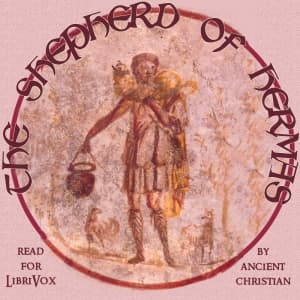
Hermas was an early Christian writer, best known for his work 'The Shepherd of Hermas,' which is considered one of the most significant texts of early Christian literature. Written in the 2nd century, this work is a complex allegorical narrative that combines visions, parables, and commandments, addressing themes of repentance, the nature of the Church, and the moral conduct expected of Christians. Hermas's writings reflect the struggles of the early Christian community and provide insight into the theological debates of the time, particularly regarding sin and redemption. 'The Shepherd of Hermas' was highly regarded in the early Church and was even considered scriptural by some early Christian groups. Its emphasis on the importance of repentance and the moral responsibilities of believers resonated with many, influencing later Christian thought and literature. Although Hermas himself remains somewhat obscure, his work has endured through the centuries, providing a window into the beliefs and practices of early Christians, as well as the challenges they faced in a predominantly pagan society. His legacy continues to be studied by theologians and historians interested in the development of early Christian doctrine and community life.
Books from the author
Link to this page
Add a free, dofollow link to Lex on your blog, forum, syllabus, or reading list.

<a href="https://lex-books.com/author/hermas"><img src="https://lex-books.com/badges/read-on-lex.svg" alt="Hermas on Lex" width="160" height="40"></a>[](https://lex-books.com/author/hermas)[url=https://lex-books.com/author/hermas][img]https://lex-books.com/badges/read-on-lex.svg[/img][/url]Hermas on Lex: https://lex-books.com/author/hermas