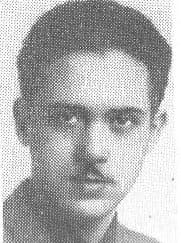
Henry Kuttner
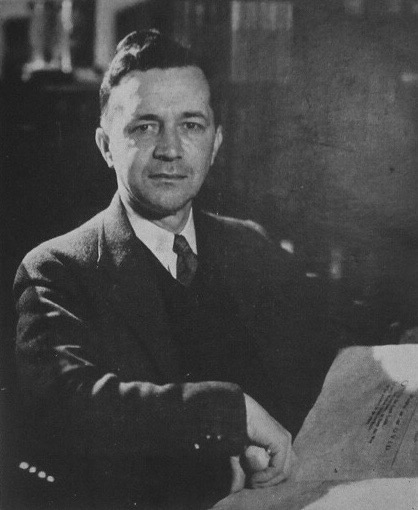
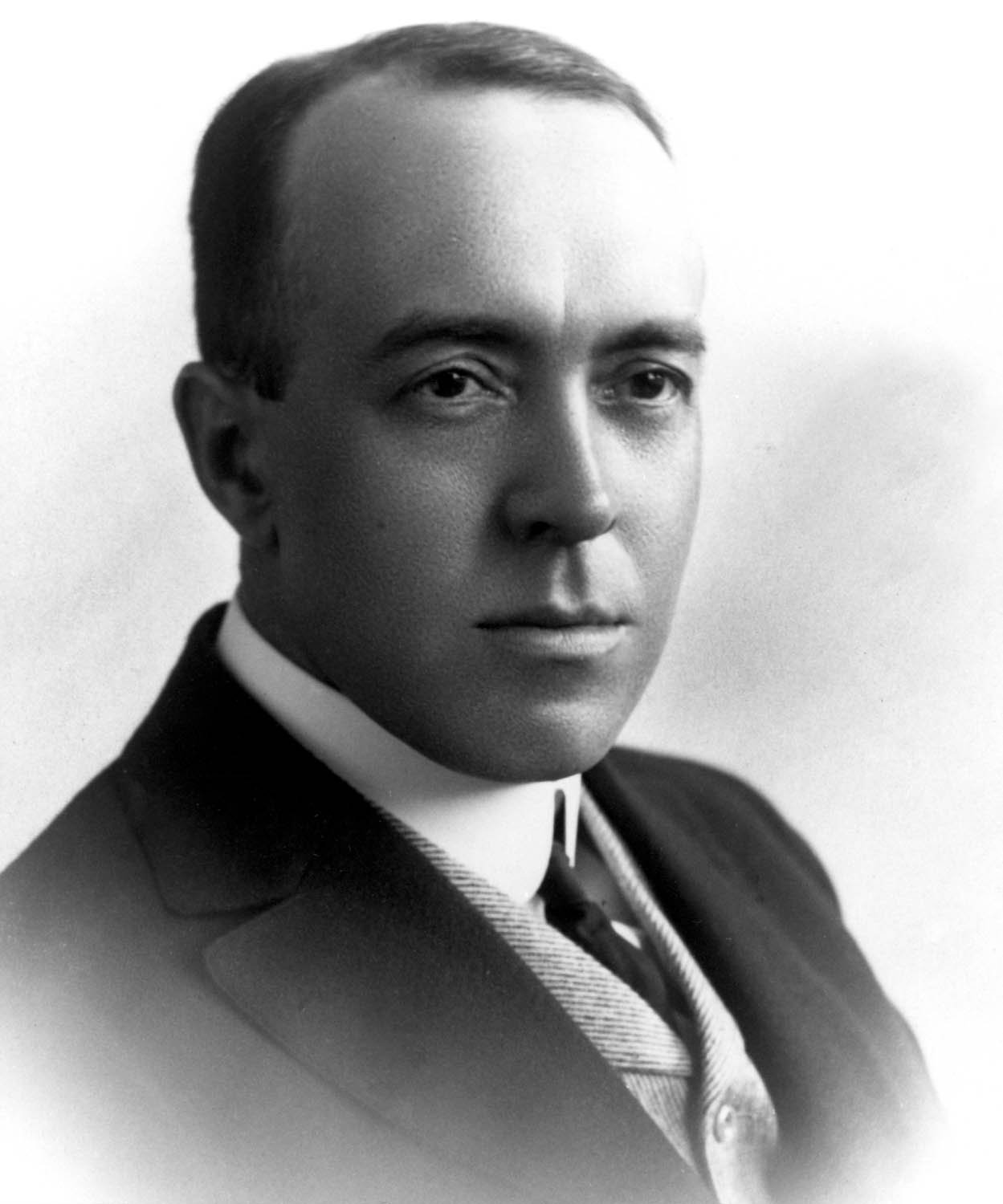
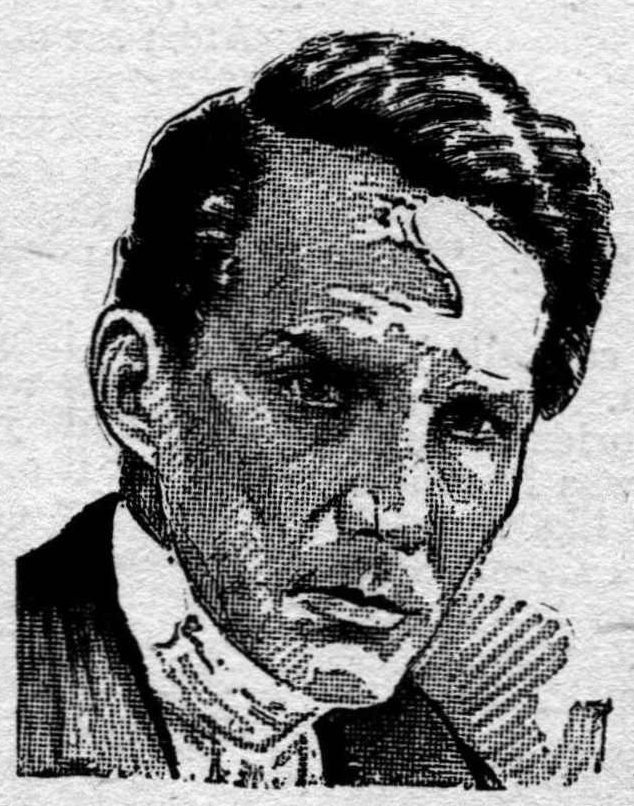
Henry Kuttner was an influential American author known for his contributions to science fiction, fantasy, and horror. He began his writing career in the 1930s, often collaborating with his wife, C.L. Moore, to produce a body of work that would leave a lasting impact on the genre. Kuttner's stories frequently explored themes of identity, reality, and the human condition, showcasing his ability to blend imaginative storytelling with profound philosophical inquiries. Notable works include 'The Piper's Son,' 'Mutant,' and 'The Dark World,' which exemplify his innovative approach to speculative fiction. Kuttner's significance in the literary world stems from his pioneering efforts in the realms of science fiction and fantasy, where he often pushed the boundaries of narrative structure and character development. His work not only entertained but also challenged readers to think critically about the implications of technology and the nature of existence. Despite his untimely death at a young age, Kuttner's legacy endures, influencing subsequent generations of writers and solidifying his place as a key figure in the evolution of modern speculative fiction.
Famous Quotes
View all 2 quotes“You see, a witch has to have a familiar, some little animal like a cat or a toad. He helps her somehow. When the witch dies the familiar is suppose to die too, but sometimes it doesn't. Sometimes, if it's absorbed enough magic, it lives on. Maybe this toad found its way south from Salem, from the days when Cotton Mather was hanging witches. Or maybe Lafitte had a Creole girl who called on the Black Man in the pirate-haven of Barataria. The Gulf is full of ghosts and memories, and one of those ghosts might very well be that of a woman with warlock blood who'd come from Europe a long time ago, and died on the new continent. And possibly her familiar didn't know the way home. There's not much room for magic in America now, but once there was room. ("Before I Wake...")”
“Out in the stone-pile the toad squatted with its glowing jewel-eyes and, maybe, its memories. I don't know if you'll admit a toad could have memories. But I don't know, either, if you'll admit there was once witchcraft in America. Witchcraft doesn't sound sensible when you think of Pittsburgh and subways and movie houses, but the dark lore didn't start in Pittsburgh or Salem either; it goes away back to dark olive groves in Greece and dim, ancient forests in Brittany and the stone dolmens of Wales. All I'm saying, you understand, is that the toad was there, under its rocks, and inside the shack Pete was stretching on his hard bed like a cat and composing himself to sleep. ("Before I Wake...")”
Books from the author





Link to this page
Add a free, dofollow link to Lex on your blog, forum, syllabus, or reading list.

<a href="https://lex-books.com/author/henry-kuttner"><img src="https://lex-books.com/badges/read-on-lex.svg" alt="Henry Kuttner on Lex" width="160" height="40"></a>[](https://lex-books.com/author/henry-kuttner)[url=https://lex-books.com/author/henry-kuttner][img]https://lex-books.com/badges/read-on-lex.svg[/img][/url]Henry Kuttner on Lex: https://lex-books.com/author/henry-kuttner