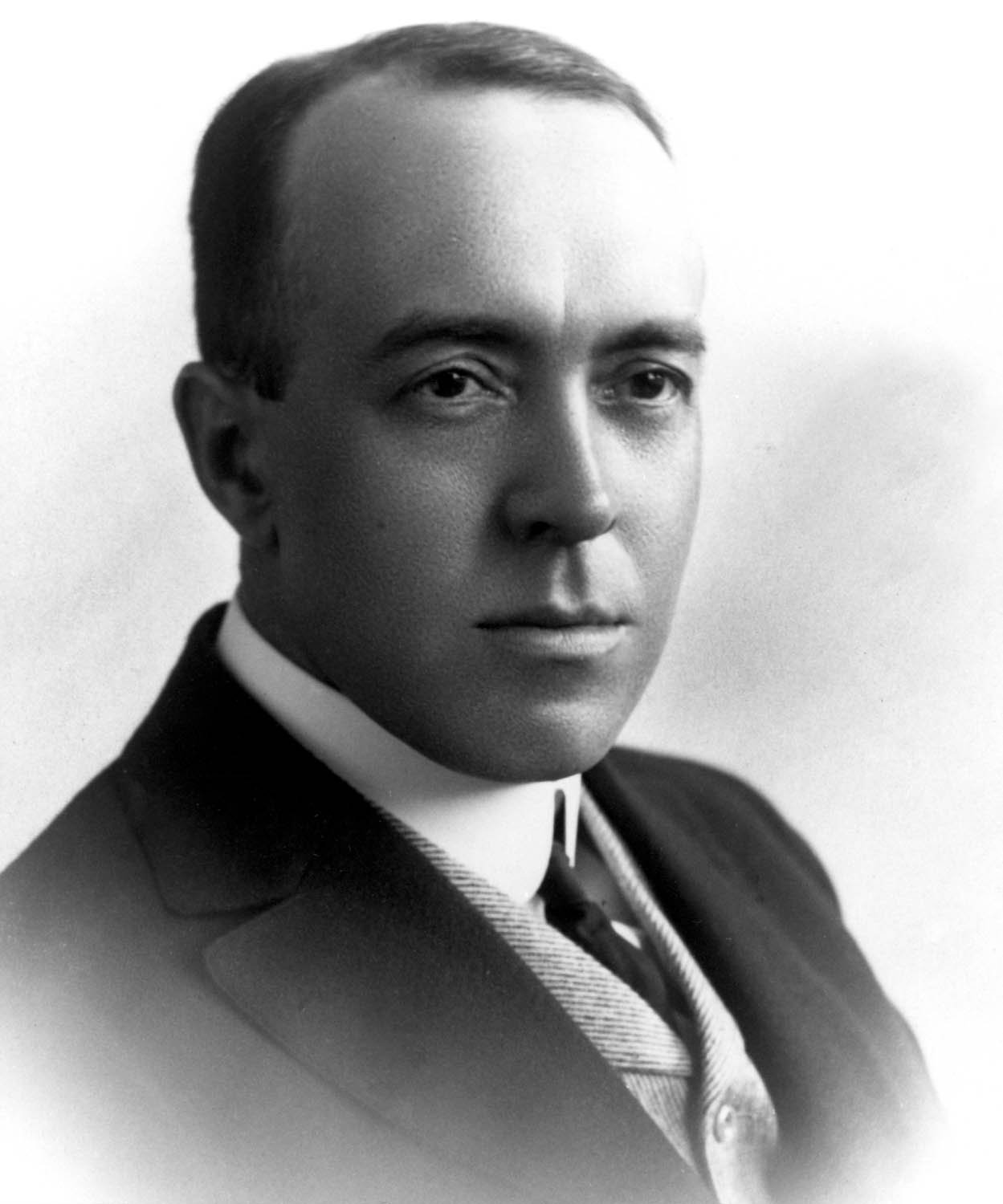
Henry Herbert Knibbs
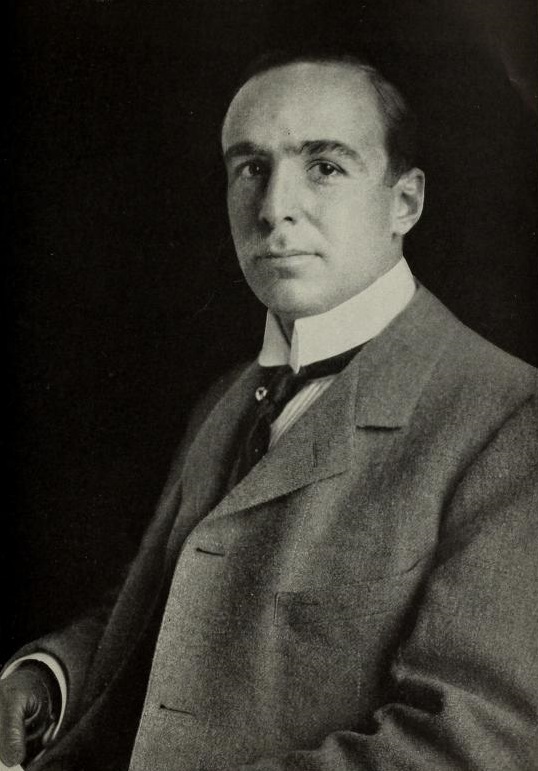
Henry Herbert Knibbs was an American author and poet known for his vivid depictions of the American West and his contributions to early 20th-century literature. Born in 1874 in the small town of New York, he spent much of his life in the West, which deeply influenced his writing. Knibbs's works often reflect the rugged landscape and the spirit of the people who inhabited it, blending elements of realism with romanticism. His poetry and prose captured the essence of frontier life, exploring themes of nature, adventure, and the human condition. Among his notable works are "The Trail of the Lonesome Pine" and "The Man Who Died," which showcase his ability to weave compelling narratives that resonate with readers. Knibbs's writing is characterized by its lyrical quality and a deep appreciation for the natural world, making him a significant figure in American literature. His legacy endures as a voice that celebrated the beauty and challenges of life in the West, influencing future generations of writers who sought to capture the spirit of the American landscape.
Famous Quotes
View all 1 quotes“The Trail-Makers NORTH and west along the coast among the misty islands, Sullen in the grip of night and smiling in the day: Nunivak and Akutan, with Nome against the highlands, On we drove with plated prow agleam with frozen spray. Loud we sang adventuring and lustily we jested; Quarreled, fought, and then forgot the taunt, the blow, the jeers; Named a friend and clasped a hand—a compact sealed, attested; Shared tobacco, yarns, and drink, and planned surpassing years. Then—the snow that locked the trail where famine's shadow followed Out across the blinding white and through the stabbing cold, Past tents along the tundra over faces blotched and hollowed; Toothless mouths that babbled foolish songs of hidden gold. Wisdom, lacking sinews for the toil, gave over trying; Fools, with thews of iron, blundered on and won the fight; Weaklings drifted homeward; else they tarried—worse than dying— With the painted lips and wastrels on the edges of the night. Berries of the saskatoon were ripening and falling; Flowers decked the barren with its timber scant and low; All along the river-trail were many voices calling, And e'en the whimpering Malemutes they heard—and whined to go. Eyelids seared with fire and ice and frosted parka-edges; Firelight like a spray of blood on faces lean and brown; Shifting shadows of the pines across our loaded sledges, And far behind the fading trail, the lights and lures of town. So we played the bitter game nor asked for praise or pity: Wind and wolf they found the bones that blazed out lonely trails.... Where a dozen shacks were set, to-day there blooms a city; Now where once was empty blue, there pass a thousand sails. Scarce a peak that does not mark the grave of those who perished Nameless, lost to lips of men who followed, gleaning fame From the soundless triumph of adventurers who cherished Naught above the glory of a chance to play the game. Half the toil—and we had won to wealth in other station; Rusted out as useless ere our worth was tried and known. But the Hand that made us caught us up and hewed a nation From the frozen fastness that so long was His alone. . . . . . . Loud we sang adventuring and lustily we jested; Quarreled, fought, and then forgot the taunt, the blow, the jeers; Sinned and slaved and vanished—we, the giant-men who wrested Truth from out a dream wherein we planned surpassing years.”
Books from the author


Link to this page
Add a free, dofollow link to Lex on your blog, forum, syllabus, or reading list.

<a href="https://lex-books.com/author/henry-herbert-knibbs"><img src="https://lex-books.com/badges/read-on-lex.svg" alt="Henry Herbert Knibbs on Lex" width="160" height="40"></a>[](https://lex-books.com/author/henry-herbert-knibbs)[url=https://lex-books.com/author/henry-herbert-knibbs][img]https://lex-books.com/badges/read-on-lex.svg[/img][/url]Henry Herbert Knibbs on Lex: https://lex-books.com/author/henry-herbert-knibbs