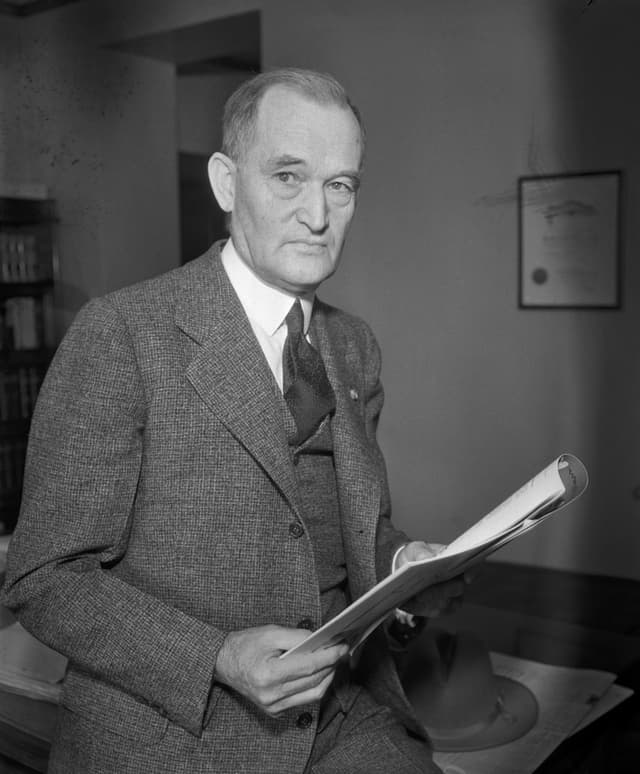
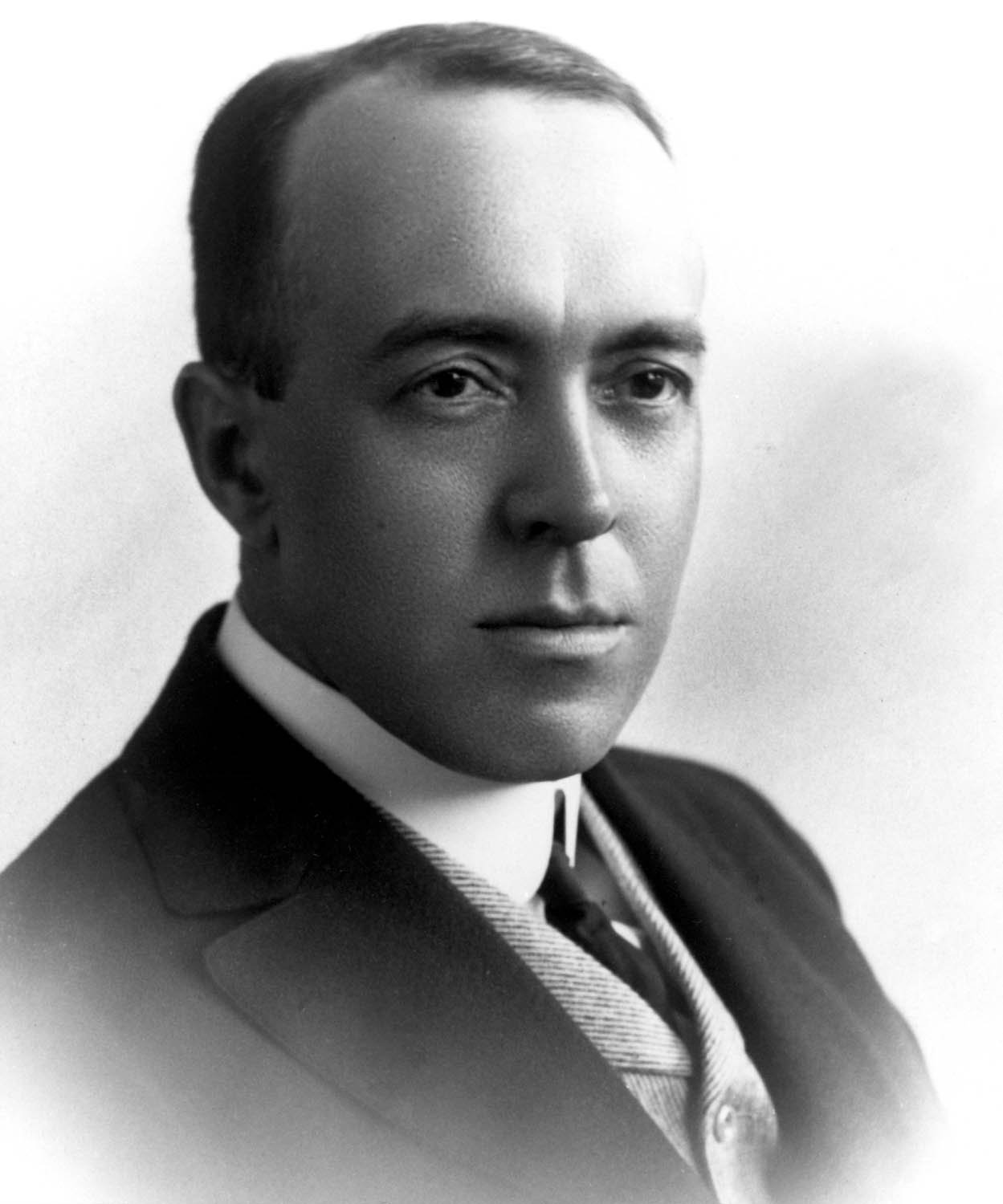
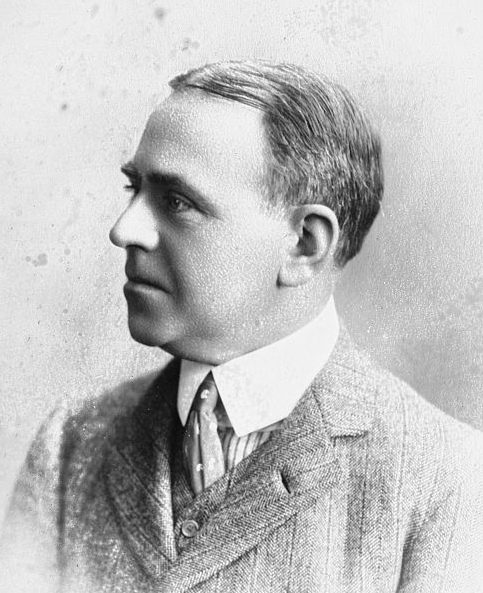
Harold Bell Wright
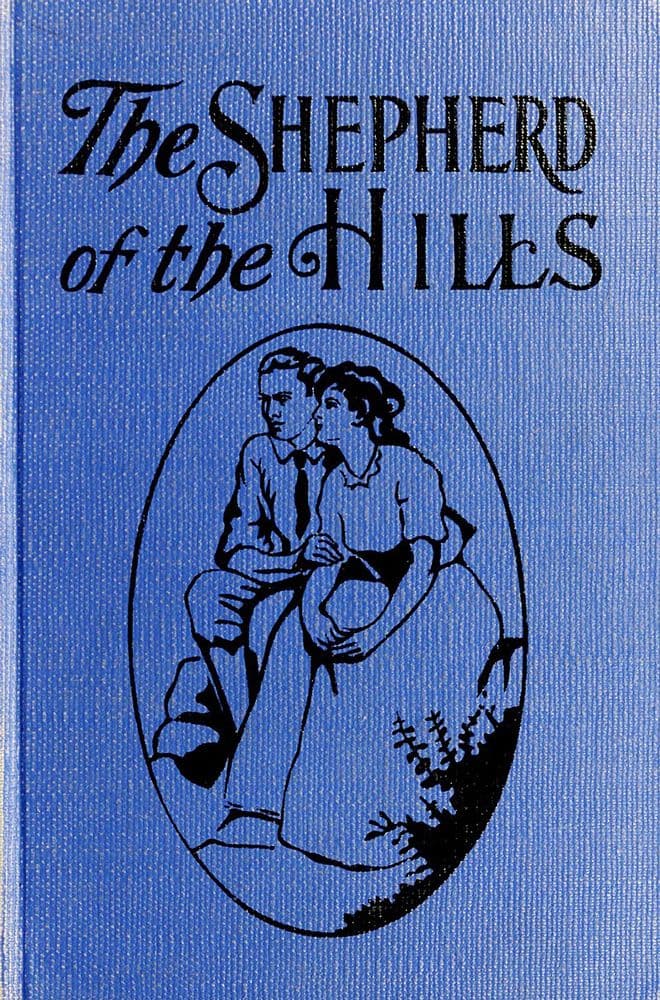
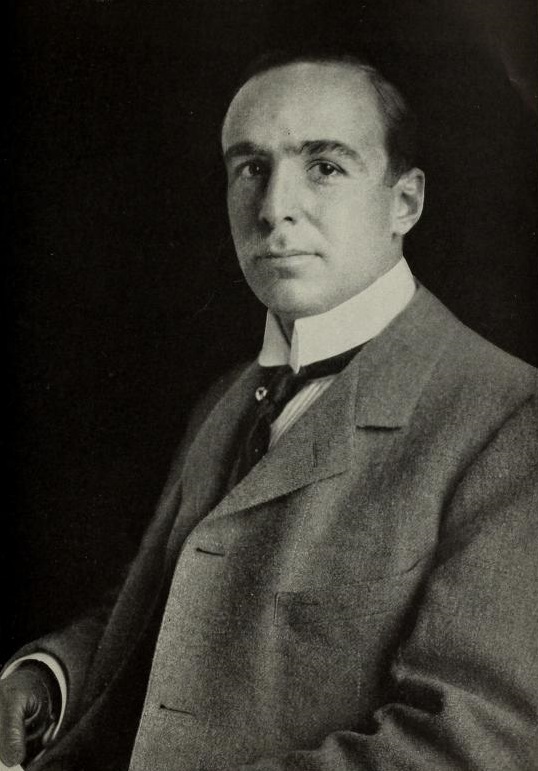
Harold Bell Wright was a pioneering American author whose literary career spanned the early 20th century. He achieved remarkable success as a writer of fiction, essays, and nonfiction, becoming the first American to sell a million copies of a novel and the first to earn $1 million from his writing. His notable works include 'The Shepherd of the Hills' and 'The Winning of Barbara Worth,' both of which not only captivated readers but also inspired numerous film adaptations, with over 15 movies based on his stories. Wright's narratives often explored themes of faith, morality, and the American frontier, reflecting his deep appreciation for nature and rural life. Despite his significant contributions to American literature, Wright's popularity waned after the mid-20th century, leading to a relative obscurity that belied his earlier acclaim. His ability to blend storytelling with social commentary made him a unique voice of his time, influencing future generations of writers. Today, while he may not be as widely recognized, his legacy as a best-selling author and a trailblazer in the literary world remains noteworthy, marking him as a significant figure in the history of American literature.
Famous Quotes
View all 3 quotes“Eyes blinded by the fog of things cannot see truth. Ears deafened by the din of things cannot hear truth. Brains bewildered by the whirl of things cannot think truth. Hearts deadened by the weight of things cannot feel truth. Throats choked by the dust of things cannot speak truth.”
“…I never understood until the past months why the Master so often withdrew alone into the wilderness. There is not only food and medicine for one’s body; there is also healing for the heart and strength for the soul in nature. One gets very close to God…in these temples of God’s own building.”
“Here and there among men, there are those who pause in the hurried rush to listen to the call of a life that is more real… He who sees and hears too much is cursed for a dreamer, a fanatic, or a fool, by the mad mob who, having eyes, see not, ears and hear not, and refuse to understand…”
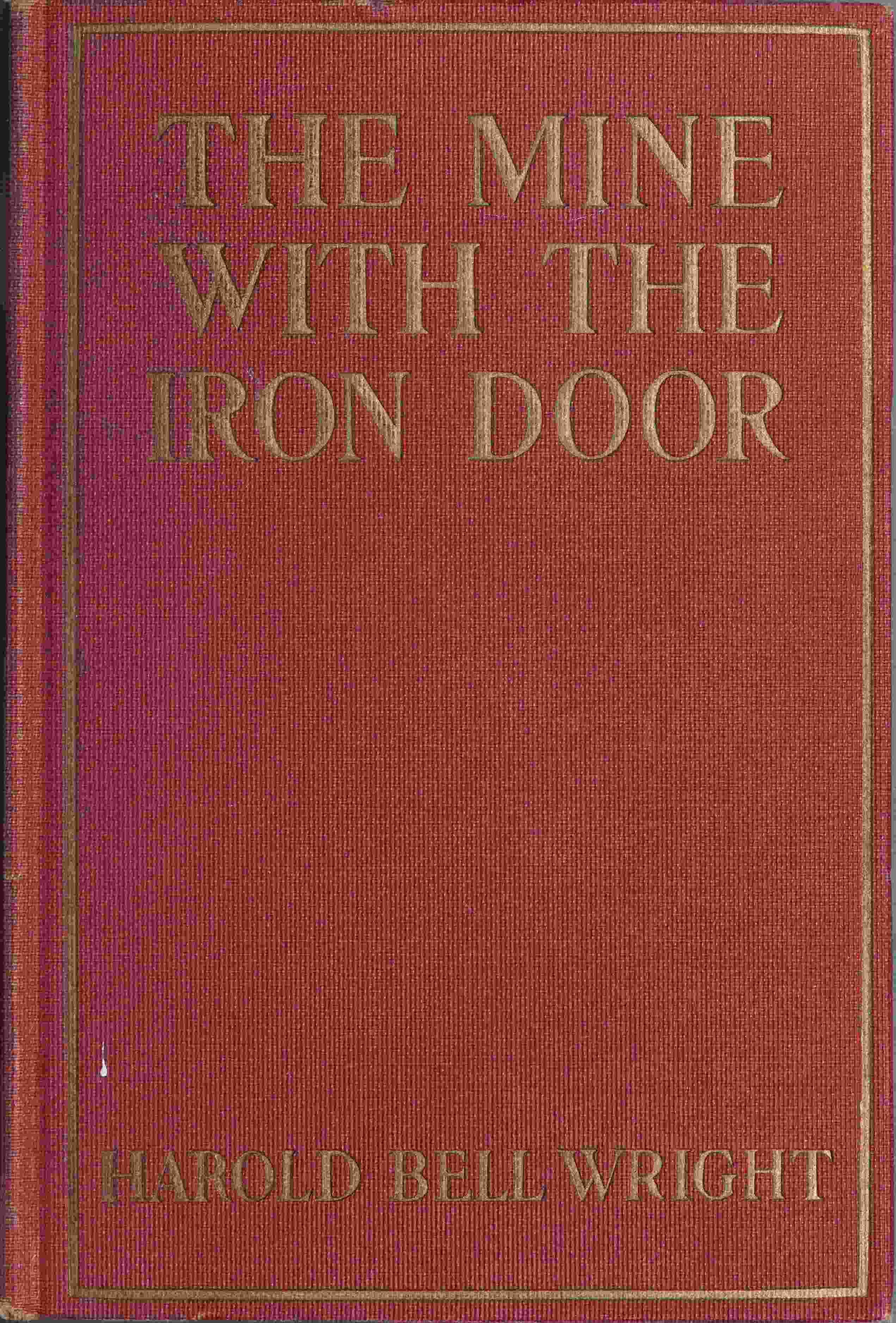
Books from the author


Link to this page
Add a free, dofollow link to Lex on your blog, forum, syllabus, or reading list.

<a href="https://lex-books.com/author/harold-bell-wright"><img src="https://lex-books.com/badges/read-on-lex.svg" alt="Harold Bell Wright on Lex" width="160" height="40"></a>[](https://lex-books.com/author/harold-bell-wright)[url=https://lex-books.com/author/harold-bell-wright][img]https://lex-books.com/badges/read-on-lex.svg[/img][/url]Harold Bell Wright on Lex: https://lex-books.com/author/harold-bell-wright