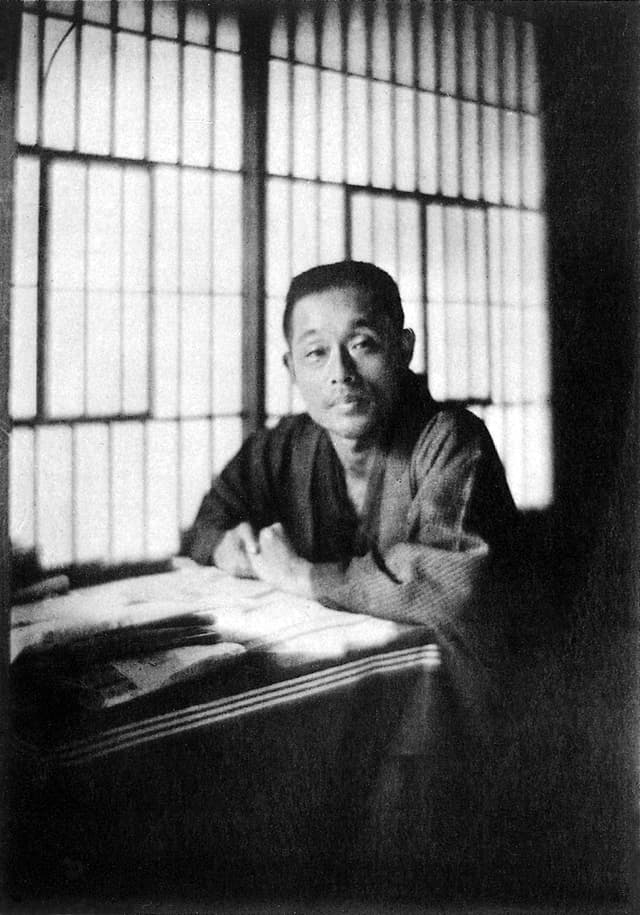
Hakuchō Masamune
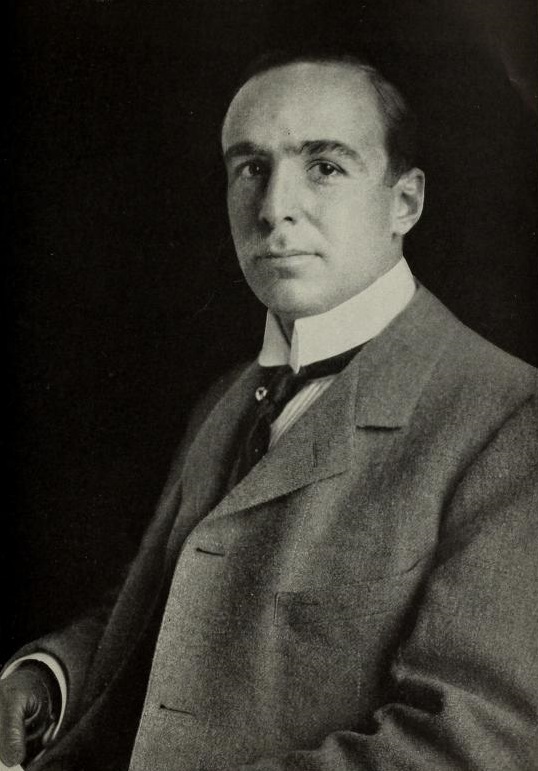
Hakuchō Masamune was a prominent Japanese novelist and playwright known for his contributions to modern Japanese literature in the early 20th century. Born in 1879 in the Kumamoto Prefecture, he initially pursued a career in education before turning to writing. Masamune's literary career began in earnest with his short stories, which often explored themes of human emotion and societal change. His notable works include 'The Tale of the White Fox' and 'The Woman Who Spoke to the Moon,' which showcased his unique narrative style and deep psychological insight into his characters. Masamune's significance lies in his ability to blend traditional Japanese storytelling with modern literary techniques, making him a key figure in the transition of Japanese literature during a time of rapid social transformation. His works often reflected the tensions between the old and the new, capturing the complexities of Japanese identity in the face of Western influence. Through his innovative approach to character development and narrative structure, Masamune left a lasting impact on subsequent generations of writers, solidifying his place in the canon of Japanese literature. He passed away in 1962, but his legacy continues to inspire readers and writers alike.
Books from the author



Link to this page
Add a free, dofollow link to Lex on your blog, forum, syllabus, or reading list.

<a href="https://lex-books.com/author/hakuchō-masamune"><img src="https://lex-books.com/badges/read-on-lex.svg" alt="Hakuchō Masamune on Lex" width="160" height="40"></a>[](https://lex-books.com/author/hakuchō-masamune)[url=https://lex-books.com/author/hakuchō-masamune][img]https://lex-books.com/badges/read-on-lex.svg[/img][/url]Hakuchō Masamune on Lex: https://lex-books.com/author/hakuchō-masamune