H. J. Clayton
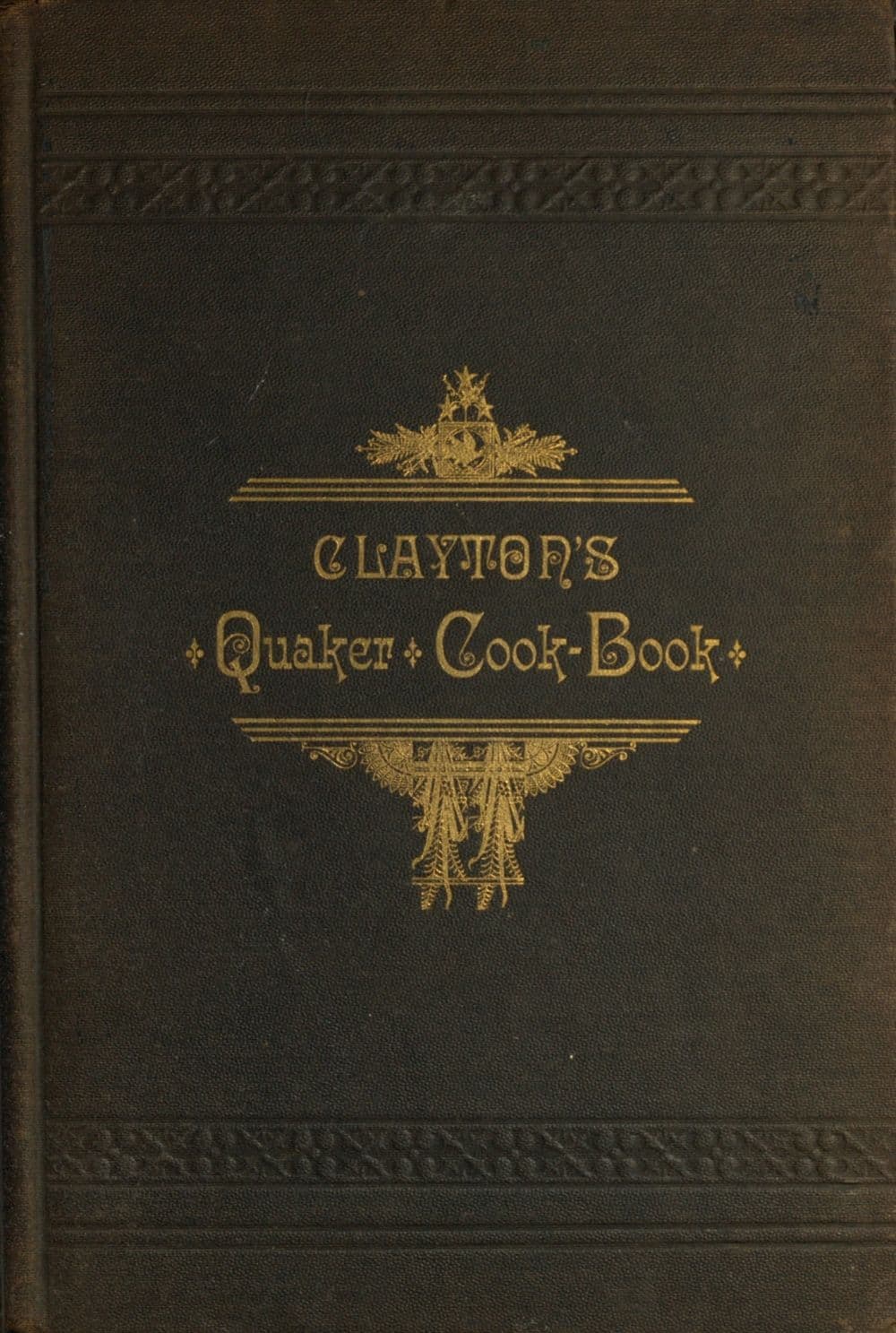
H. J. Clayton was an influential figure in the realm of culinary literature, particularly known for his work 'Clayton's Quaker Cook-Book.' This cookbook was notable for its practical approach to cooking, tailored to meet the tastes and needs of a diverse audience. Clayton's emphasis on simplicity and accessibility in cooking reflected the values of the Quaker community, which prioritized wholesome, straightforward meals. The book not only served as a guide for home cooks but also highlighted the importance of community and shared meals, resonating with the Quaker ethos of fellowship and hospitality. Through 'Clayton's Quaker Cook-Book,' Clayton contributed to the growing genre of American cookbooks in the late 19th and early 20th centuries, a time when culinary arts were becoming more formalized and recognized. His work stands out for its blend of practicality and moral philosophy, making it a significant resource for those looking to embrace a Quaker-inspired lifestyle. While not as widely known today, Clayton's contributions to culinary literature continue to be appreciated by those interested in the intersection of food, culture, and community values.
Books from the author







Link to this page
Add a free, dofollow link to Lex on your blog, forum, syllabus, or reading list.

<a href="https://lex-books.com/author/h-j-clayton"><img src="https://lex-books.com/badges/read-on-lex.svg" alt="H. J. Clayton on Lex" width="160" height="40"></a>[](https://lex-books.com/author/h-j-clayton)[url=https://lex-books.com/author/h-j-clayton][img]https://lex-books.com/badges/read-on-lex.svg[/img][/url]H. J. Clayton on Lex: https://lex-books.com/author/h-j-clayton