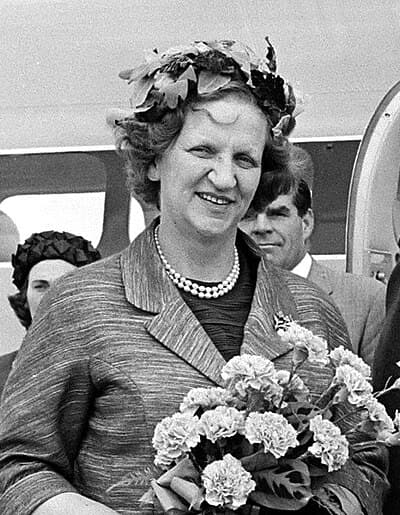
Elizabeth Douglas
Elizabeth Douglas, Countess of Erroll, was a notable Scottish aristocrat whose life and legacy were intertwined with the turbulent politics of 17th-century Scotland. As the youngest daughter of William Douglas, the 6th Earl of Morton, and Agnes Leslie, she was born into a prominent noble family. Her marriage to the 5th Earl of Erroll positioned her within the upper echelons of Scottish society, where she navigated the complexities of court life and familial alliances during a period marked by political strife and shifting loyalties. Although not primarily known for literary contributions, Elizabeth Douglas's significance lies in her role as a matriarch within the Douglas family and her influence in the socio-political landscape of her time. The Douglas family was deeply involved in the Scottish Reformation and the conflicts that arose from it, and Elizabeth's connections and status allowed her to play a part in these historical events. Her legacy is reflected in the continued prominence of the Douglas name in Scottish history, as well as in the intricate family dynamics that shaped the era's aristocracy.
Famous Quotes
View all 4 quotes“You have my best wishes, Mr. Douglas; still I cannot consent to be your wife. I shall become Mrs. President, or I am the victim of false prophets, but it will not be as Mrs. Douglas.””
“You may know the feeling. It’s the feeling you get when you’ve made something wonderful, and when you look back on it later, all you can say is: ‘I don’t even know where that came from.’ “You can’t repeat it. You can’t explain it. But it felt as if you were being guided. “The Romans had a specific term for that helpful house elf. They called it your genius”
“There are, of course, varying perspectives on the issue of criminal responsibility. Dr. Stanton Samenow is a psychologist who collaborated with the late psychiatrist Dr. Samuel Yochelson on a pioneering study at St. Elizabeth’s Hospital in Washington, D.C., about criminal behavior. After years of firsthand research that gradually stripped away most of his preconceived notions, Samenow concluded in his penetrating and insightful book, Inside the Criminal Mind, that “criminals think differently from responsible people.” Criminal behavior, Samenow believes, is not so much a question of mental illness as character defect.””
Books from the author






Link to this page
Add a free, dofollow link to Lex on your blog, forum, syllabus, or reading list.

<a href="https://lex-books.com/author/elizabeth-douglas"><img src="https://lex-books.com/badges/read-on-lex.svg" alt="Elizabeth Douglas on Lex" width="160" height="40"></a>[](https://lex-books.com/author/elizabeth-douglas)[url=https://lex-books.com/author/elizabeth-douglas][img]https://lex-books.com/badges/read-on-lex.svg[/img][/url]Elizabeth Douglas on Lex: https://lex-books.com/author/elizabeth-douglas