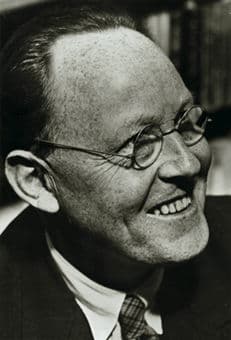
Gunnar Gunnarsson
Gunnar Gunnarsson was an influential Icelandic author who primarily wrote in Danish, emerging as a significant literary figure in the early 20th century. Born into poverty in the Fljótsdalur valley and later raised in Vopnafjörður, Gunnarsson's early life experiences deeply informed his writing. He gained widespread popularity in Denmark and Germany, where his works resonated with readers, marking him as one of the most important Icelandic writers of his time. His notable novel, 'Af Borgslægtens Historie' (translated as 'Guest the One-Eyed'), holds the distinction of being the first Icelandic literary work adapted into film, showcasing his impact on both literature and cinema. Additionally, his autobiographical work, 'The Church on the Mountain,' published between 1923 and 1928, further solidified his reputation as a profound storyteller. Gunnarsson's literary significance lies not only in his storytelling but also in his unique position as a cultural bridge between Iceland and the broader Scandinavian literary scene. His works often explored themes of identity, belonging, and the human condition, reflecting the complexities of life in Iceland. Despite a controversial meeting with Adolf Hitler, which marked a notable moment in his life, Gunnarsson's legacy endures through his contributions to literature and his role in shaping Icelandic narrative traditions. His ability to articulate the Icelandic experience in a broader context has left a lasting impression on both Icelandic and international literature.
Famous Quotes
View all 3 quotes“Der Mensch hängt an dem Seinen, an sich selbst und dem Seinen, bis über den Tod hinaus und bangt davor, das Leben aus den Händen zu verlieren - dies Wirklichste von allem Wirklichen, dies Erbärmlichste von allem Erbärmlichen, dies Unendlichste von allem Unendlichen; bangt vor der Einsamkeit, auf der sein selbst beruht, die sein Selbst ist, bangt davor, ohne Mitmenschen ringsum zu sein - und vielleicht von Gott vergessen.”
“A za tím snem pořád věděl, že čas utíka a nikdy se nezastaví, nezastaví ho ani rěky, nikdy se neunaví, že běží stále kuprědu, tajuplně jako rěka z ledovce a spíciho člověka prekročí, jako by byl mrtvý.”
“Man clings to himself and what is his, over and beyond death itself, and he is afraid to let life out of his hands—life, this most real of all things, this most pitiful of all pitiful things, the most eternal of all that is eternal.”
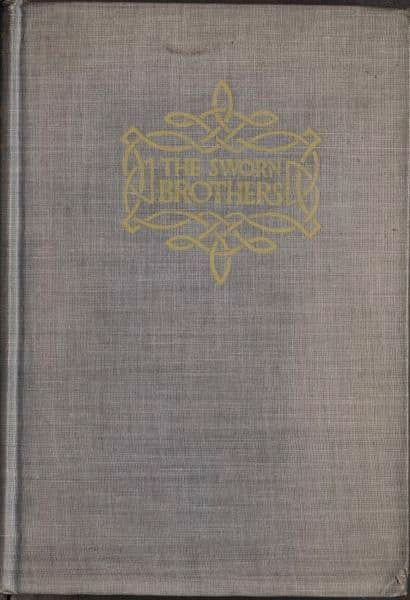
Books from the author


Link to this page
Add a free, dofollow link to Lex on your blog, forum, syllabus, or reading list.

<a href="https://lex-books.com/author/gunnar-gunnarsson"><img src="https://lex-books.com/badges/read-on-lex.svg" alt="Gunnar Gunnarsson on Lex" width="160" height="40"></a>[](https://lex-books.com/author/gunnar-gunnarsson)[url=https://lex-books.com/author/gunnar-gunnarsson][img]https://lex-books.com/badges/read-on-lex.svg[/img][/url]Gunnar Gunnarsson on Lex: https://lex-books.com/author/gunnar-gunnarsson