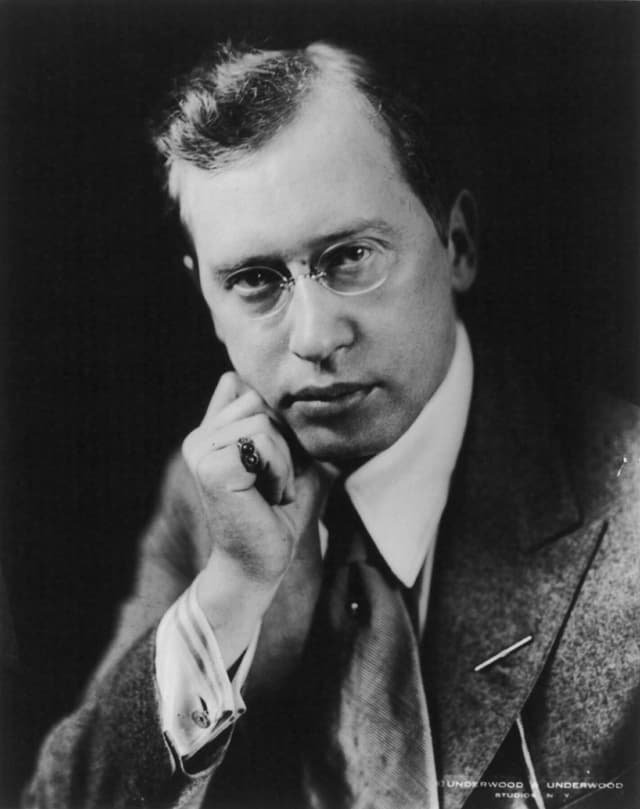
George Sylvester Viereck
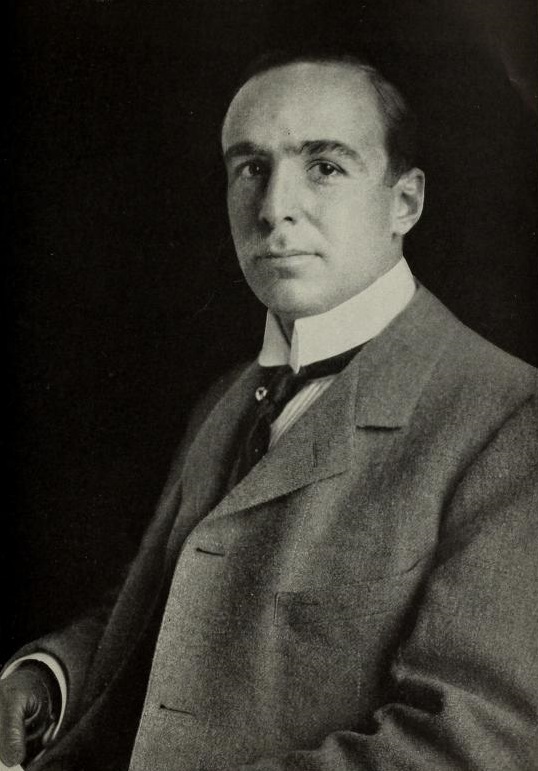
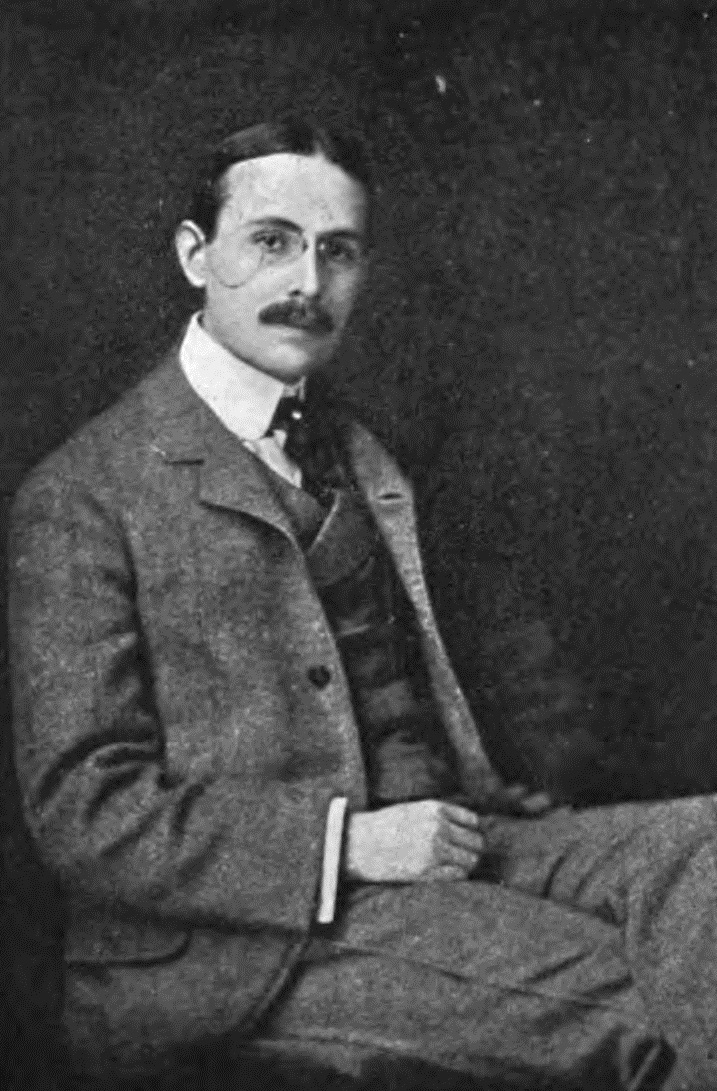
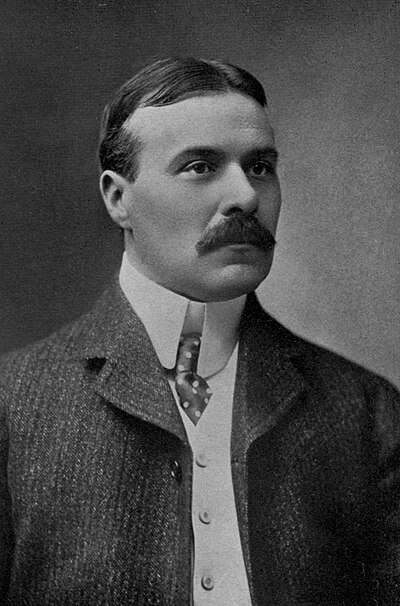
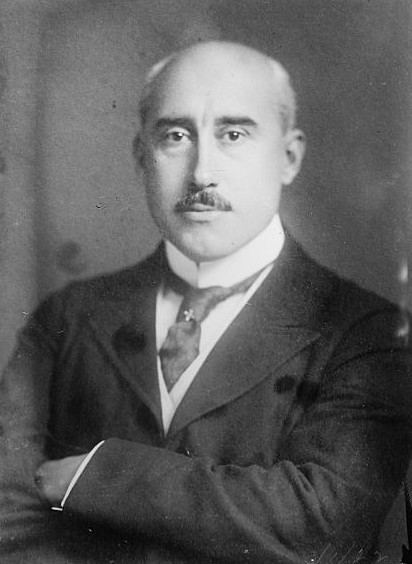
George Sylvester Viereck was a German-born American poet and journalist whose early career was marked by literary success and acclaim. He published several volumes of poetry and novels, showcasing his talent and gaining recognition in literary circles. However, his legacy became overshadowed by his controversial role as a pro-German propagandist during World War I and World War II. Viereck's writings often reflected his nationalist sentiments, and he became an outspoken advocate for Germany's interests in the United States, which ultimately led to his conviction for violating the Foreign Agents Registration Act. Viereck's life took a dramatic turn as he transitioned from a celebrated poet to a figure of notoriety. His conviction resulted in nearly four years of imprisonment, marking a significant fall from grace for an author once celebrated for his literary contributions. Despite the controversies surrounding his later life, Viereck's early works remain a testament to his literary prowess, and his complex legacy continues to provoke discussions about the intersection of art and politics in times of conflict.
Famous Quotes
View all 3 quotes“A man's soul, like the chameleon, takes colour from its environment.”
“Fancy, unlike genius, is an infectious disease.”
“The man who encompasses heaven and hell is a perfect man. But there are many heavens and more hells. The artist snatches fire from both. Surely the assassin feels no more intensely the lust of murder than the poet who depicts it in glowing words. The things he writes are as real to him as the things that he lives. But in his realm the poet is supreme. His hands may be red with blood or white with leprosy: he still remains king. Woe to him, however, if he transcends the limits of his kingdom and translates into action the secret of his dreams. The throng that before applauded him will stone his quivering body or nail to the cross his delicate hands and feet.”
Books from the author








Link to this page
Add a free, dofollow link to Lex on your blog, forum, syllabus, or reading list.

<a href="https://lex-books.com/author/george-sylvester-viereck"><img src="https://lex-books.com/badges/read-on-lex.svg" alt="George Sylvester Viereck on Lex" width="160" height="40"></a>[](https://lex-books.com/author/george-sylvester-viereck)[url=https://lex-books.com/author/george-sylvester-viereck][img]https://lex-books.com/badges/read-on-lex.svg[/img][/url]George Sylvester Viereck on Lex: https://lex-books.com/author/george-sylvester-viereck