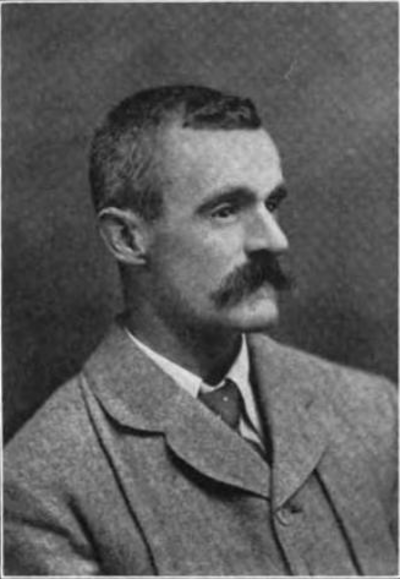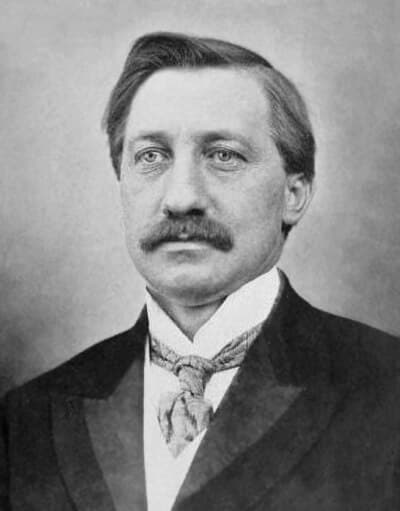
Frederick Albert Cook
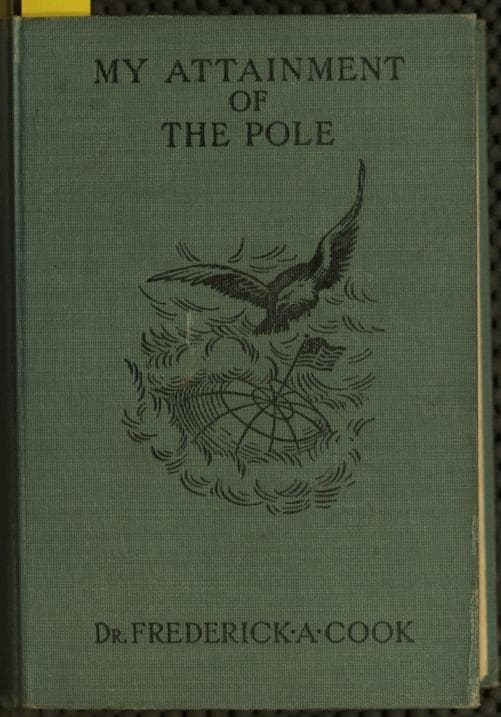
Frederick Albert Cook was an American explorer, medical doctor, and ethnographer, best known for his controversial claims regarding polar exploration. In 1908, he asserted that he had reached the North Pole, a claim that was later contested by Robert Peary, who made a competing assertion in 1909. Despite the lack of conclusive evidence supporting Cook's claim, he published a memoir titled 'To the North Pole' in 1911, in which he defended his expedition and its findings. A commission from the University of Copenhagen ultimately deemed his records unproven, casting a shadow over his legacy as an explorer. In addition to his polar pursuits, Cook also claimed to be the first to summit Denali, North America's highest peak, a claim that has similarly faced skepticism. However, Cook's expeditions did yield some notable achievements, including the discovery of Meighen Island, making him the first American to identify an Arctic island in North America. While his explorations may be marred by controversy, Cook's ambition and the spirit of adventure he embodied contributed to the era of exploration in the early 20th century, leaving a complex legacy in the annals of American exploration history.
Books from the author