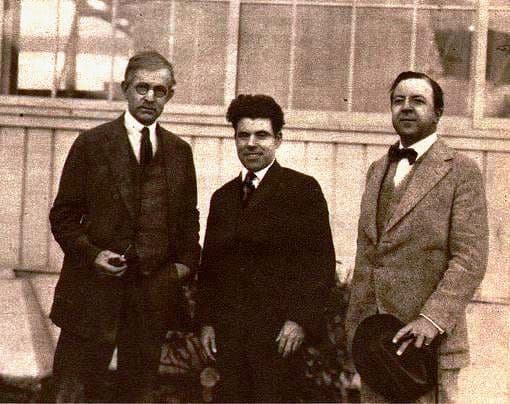
Eugene Manlove Rhodes
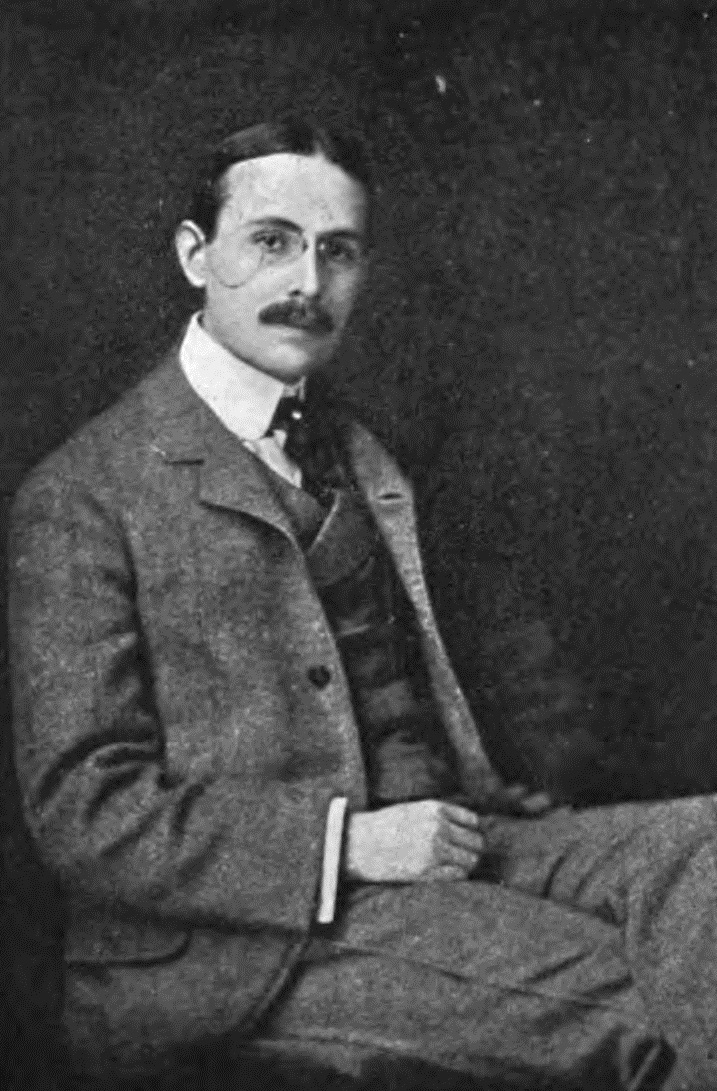
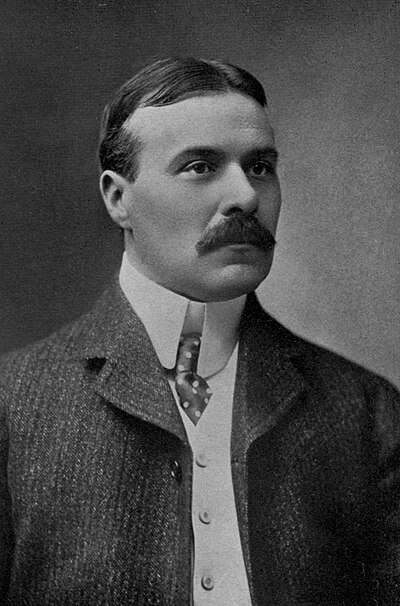
Eugene Manlove Rhodes was an influential American writer known for his vivid depictions of cowboy life in the American West. Growing up in south central New Mexico during the rise of cattle ranching, Rhodes drew upon his firsthand experiences to craft stories that captured the essence of the rugged frontier. After relocating to New York in 1899, he began to publish works that would solidify his reputation as the 'cowboy chronicler,' with notable titles such as 'The Brand of the Devil' and 'The Roaming Cowboy.' His narratives not only entertained but also shaped the popular image of the cowboy during a transformative period in American history. In 1926, Rhodes returned to New Mexico, where he continued to write, producing novels that reflected both the beauty and challenges of life in the West. His contributions to Western literature earned him a place in the Hall of Great Westerners of the National Cowboy & Western Heritage Museum in 1958, underscoring his lasting impact on the genre. Rhodes's work remains significant for its authentic portrayal of cowboy culture and its influence on subsequent Western writers, establishing him as a key figure in American literary history.
Famous Quotes
View all 2 quotes“Why is joy not considered a fit subject for an artist?”
“It is commonly said to my little friend Legion: Read the great writers for style. But I say to him: Read the great dead masters for ideas. Devour them, Fletcherize them, digest, assimilate, make them part of your blood; let the enriched blood visit your brain. The resultant activities will be fairly your own, and the little kinks and convolutions of your brain, which are entirely different from the kinks of any other brain, will furnish you all the style you will ever get. There are no really fresh ideas; just as there is not any fresh air. Air and ideas are refreshed and refreshing, vitalized and vitalizing; but the thoughts have been thought before and the air has been breathed before.”
Books from the author



Link to this page
Add a free, dofollow link to Lex on your blog, forum, syllabus, or reading list.

<a href="https://lex-books.com/author/eugene-manlove-rhodes"><img src="https://lex-books.com/badges/read-on-lex.svg" alt="Eugene Manlove Rhodes on Lex" width="160" height="40"></a>[](https://lex-books.com/author/eugene-manlove-rhodes)[url=https://lex-books.com/author/eugene-manlove-rhodes][img]https://lex-books.com/badges/read-on-lex.svg[/img][/url]Eugene Manlove Rhodes on Lex: https://lex-books.com/author/eugene-manlove-rhodes