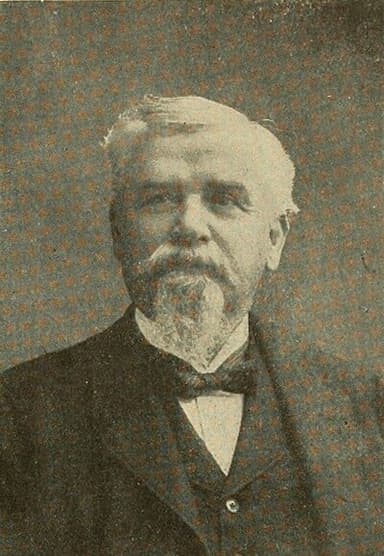
Esther Birdsall Darling
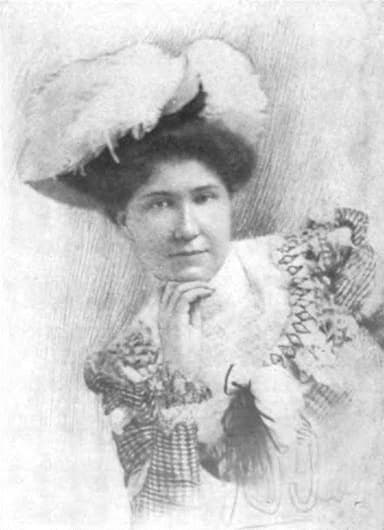
Esther Birdsall Darling was an American author and poet known for her unique contributions to literature and her pioneering work in the world of sled dog racing. After studying at Mills College and traveling through Europe, she settled in Nome, Alaska, in 1907 following her marriage. There, she and her husband established a hardware and expedition outfitting business, but it was their collaboration with Scotty Allan that led to the founding of a sled dog kennel. This kennel not only bred exceptional sled dogs but also organized the first long-distance dogsled race, marking a significant moment in the history of the sport. Darling's influence extended beyond her literary pursuits; her dogs played a crucial role during World War I, as descendants of her kennel were acquired by the French military to assist in various capacities. In recognition of their service, these dogs were awarded a military medal in 1917, which Darling accepted on their behalf. Through her writings and her dedication to sled dog racing, Darling left an indelible mark on both American literature and the sporting world, highlighting the bond between humans and their canine companions while also showcasing the rugged spirit of Alaskan life.
Famous Quotes
View all 8 quotes“Dogs is dogs’ and it wouldn’t make any difference to ‘em what they were doing if it was for somebody they love. And I’ll bet the biggest sled dog in Alaska’s go the same feelings as little Blarney.” As usual, Dolan was ready with a comforting case in point. “Why, only the other day I was reading an old magazine I found in the basement, about a guy name Leonard Seppala and the dogs that helped him carry the diphtheria cure to Nome. They did double shift, made the longest and hardest run on the whole trail; feet raw and bleeding and frostbites on their sides, but willing to keep on till they dropped, because they loved their driver.””
“These here city rooms ain’t big enough fer a decent kennel. I wish you could’a had him; but if you can’t, mebbe somebody else here’d like t’ own a dog that’s showed what a good friend he kin be- feedin’ an’ takin’ care o’ that pore little terrier. Speak up, folks. Here’s your chance fer a chum that’ll stick t’ you through thick an’ thin. Even” – he cleared his throat slightly – “even when your’re dead. Who says he’s theirs?””
“You’re gittin’ a rich claim in this here pup. Guts and brains; an’ I reckon affection the way he took t’ you right off the bat. And believe me,” with the vivid memory of the dog’s bristling hair and bared fangs as he had defended the body of Pluck, “he’s a claim that no one else is goin’ t’ jump neither. He kin,” with an admiring glance at the powerful build of Luck, “lick his weight in wildcats.””