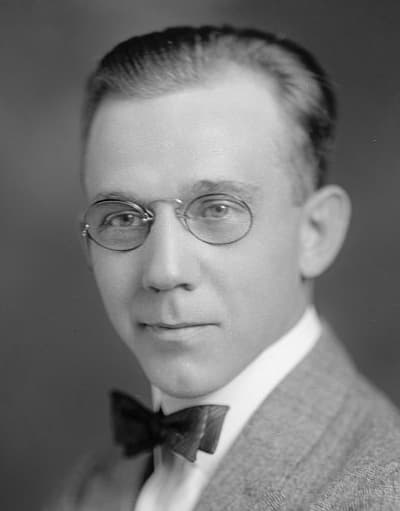
Ernest Poole
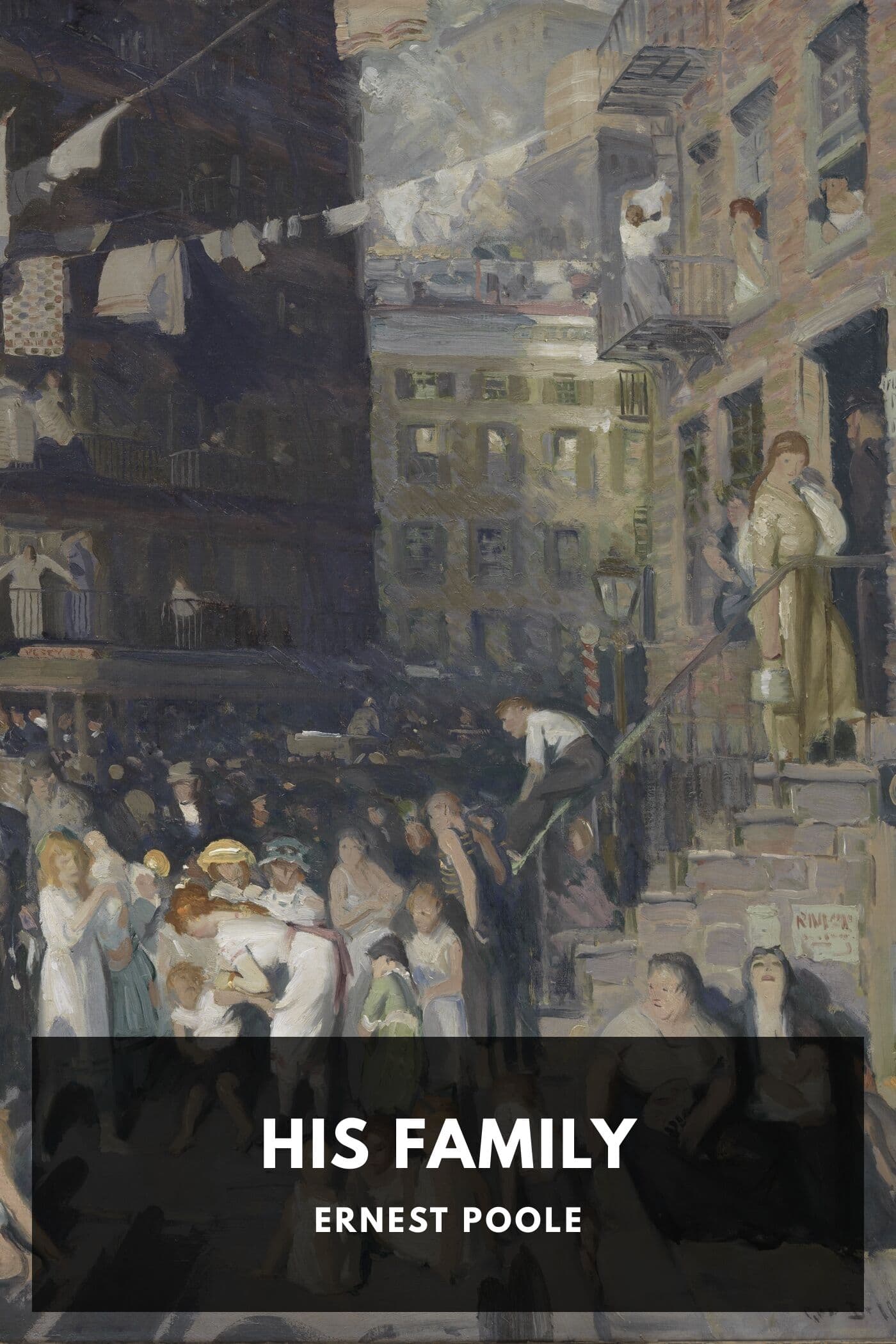
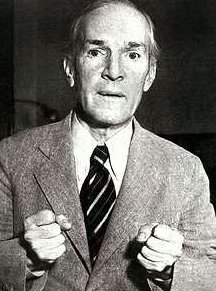
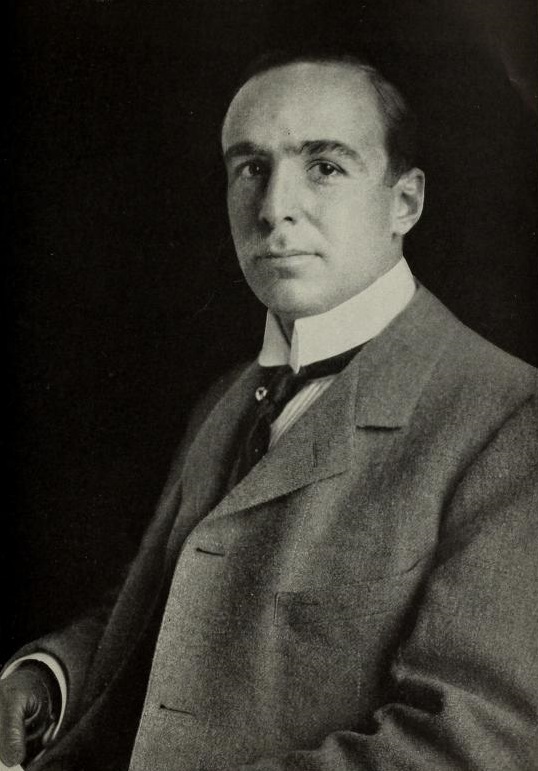
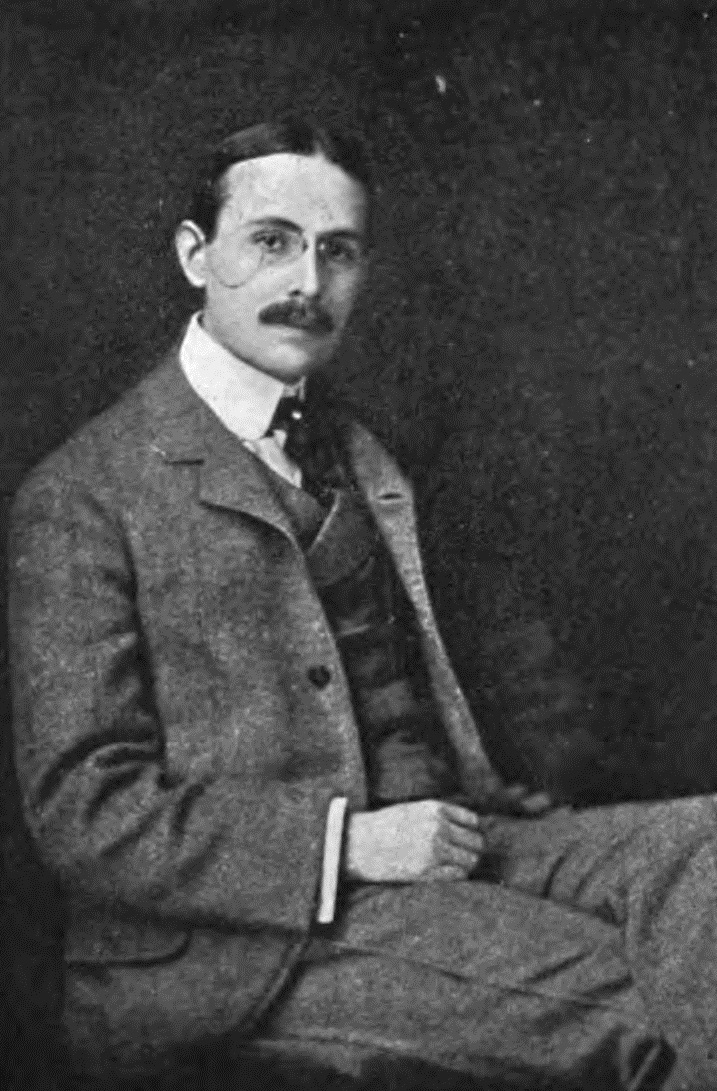
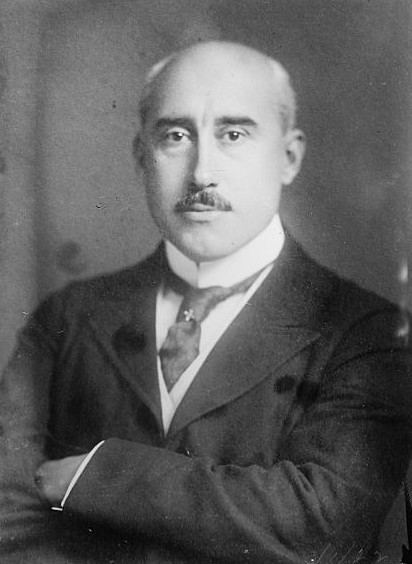
Ernest Poole was an American journalist, novelist, and playwright known for his insightful portrayals of social issues and revolutionary movements. He gained prominence through his firsthand reporting on the tumultuous events of revolutionary Russia, particularly during the 1905 and 1917 revolutions. His experiences in Russia deeply influenced his writing, allowing him to capture the struggles and aspirations of ordinary people in a time of great upheaval. Poole's work often reflected the challenges faced by the working class, making him a significant voice in the realm of proletarian literature during the early 20th century. His most notable achievement came in 1918 when he became the first recipient of the Pulitzer Prize for Fiction for his novel, "His Family." This work, which explores the complexities of familial relationships against the backdrop of societal change, solidified his reputation as a leading literary figure of his time. Poole's contributions to literature and journalism not only highlighted the plight of the underprivileged but also provided a nuanced perspective on the socio-political landscape of his era. His legacy endures as a pioneer of socially conscious writing, influencing future generations of writers and journalists alike.
Famous Quotes
View all 3 quotes“And there came to him a feeling which he had often had before in many different places--that he himself was a part of all this, the great, blind, wistful soul of mankind, which had been here before he was born and would be here when he was dead--still groping, yearning, struggling upward, on and on--to something distant as the sun. And still would he be part of it all, through the eager lives of his children.”
“He saw each of his daughters, part of himself. And he remembered what Judith had said: 'You will live on in our children's lives.' And he began to get glimmerings of a new immortality, made up of generations, an endless succession of other lives extending into the future.”
“It's hard to keep up with your children,' he said. 'It means keeping up with everything new. And you stay in your rut and then it's too late. Before you know it you are old.”
Books from the author





Link to this page
Add a free, dofollow link to Lex on your blog, forum, syllabus, or reading list.

<a href="https://lex-books.com/author/ernest-poole"><img src="https://lex-books.com/badges/read-on-lex.svg" alt="Ernest Poole on Lex" width="160" height="40"></a>[](https://lex-books.com/author/ernest-poole)[url=https://lex-books.com/author/ernest-poole][img]https://lex-books.com/badges/read-on-lex.svg[/img][/url]Ernest Poole on Lex: https://lex-books.com/author/ernest-poole