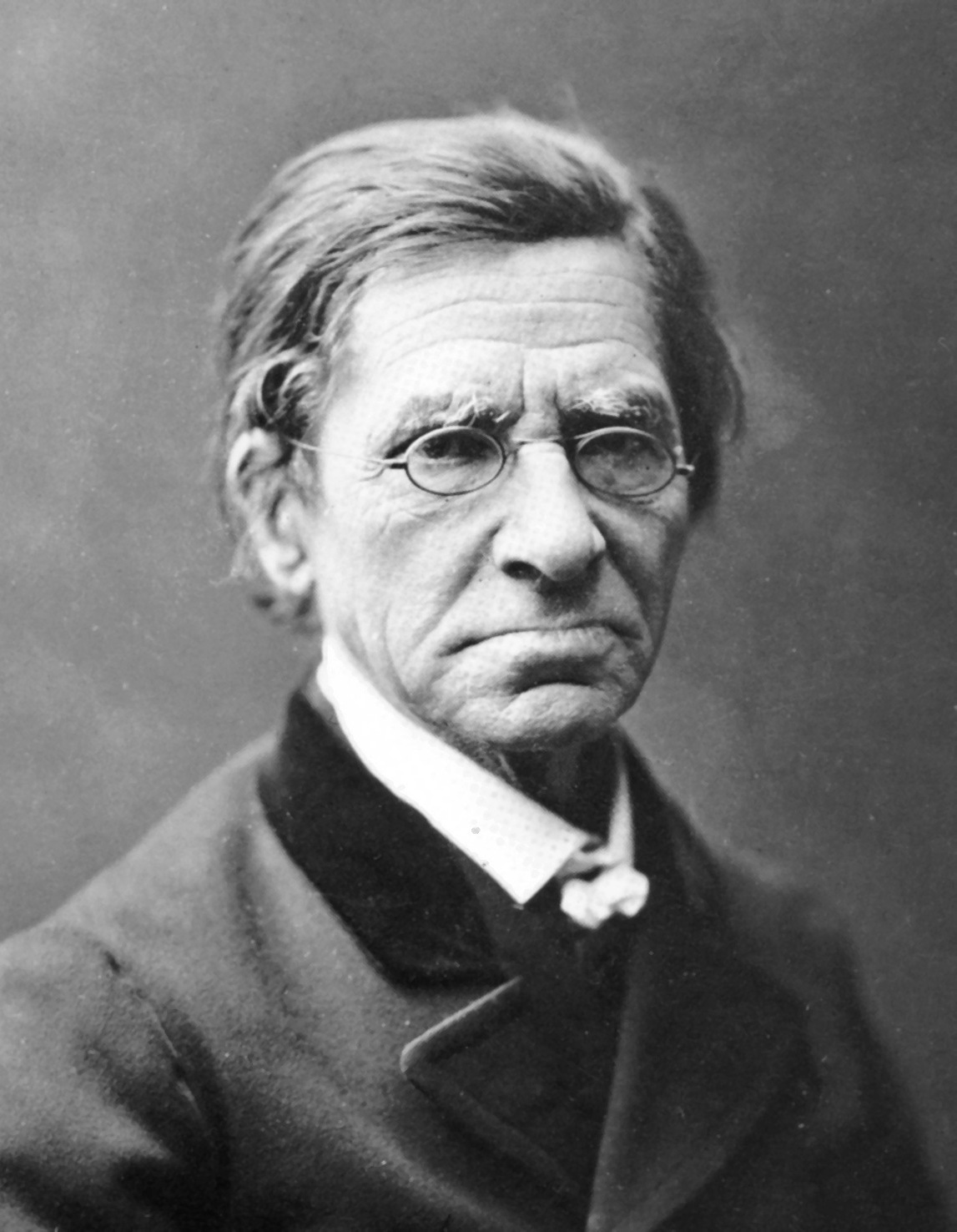
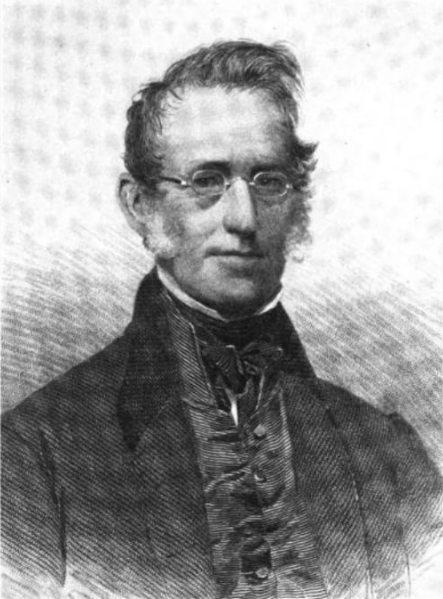
Emile Littré
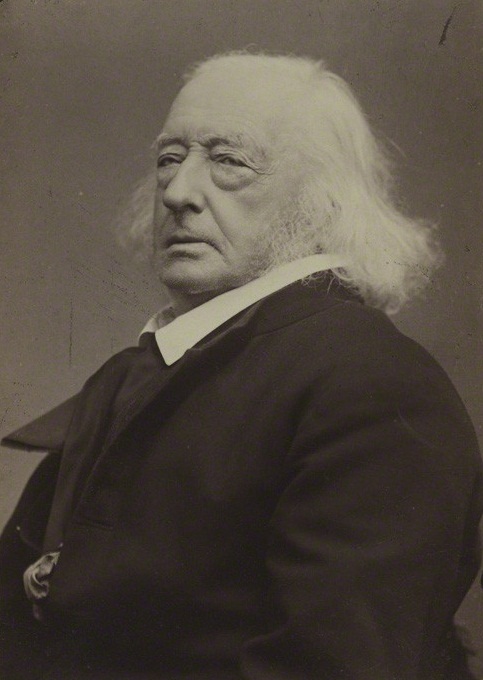
Émile Littré was a prominent French philosopher, lexicographer, and physician, best known for his contributions to the fields of philosophy and linguistics in the 19th century. Born in Paris, Littré initially pursued a career in medicine, earning his degree in 1824. However, his intellectual curiosity led him to delve into philosophy, where he became an ardent advocate of Auguste Comte's positivism. Littré's philosophical writings emphasized the importance of empirical science and rational thought, positioning him as a key figure in the development of modern scientific philosophy in France. Littré's most significant work is his monumental "Dictionnaire de la langue française," published in 1863. This dictionary not only served as an authoritative reference for the French language but also reflected his deep understanding of etymology and semantics. His lexicon was notable for its rigorous definitions and historical context, influencing both linguists and writers. In addition to his dictionary, Littré wrote extensively on philosophy, ethics, and social issues, contributing to various journals and engaging in public discourse. His legacy endures through his scholarly works, which continue to be referenced in the study of language and philosophy, marking him as a pivotal figure in the intellectual landscape of 19th-century France.
Books from the author



Link to this page
Add a free, dofollow link to Lex on your blog, forum, syllabus, or reading list.

<a href="https://lex-books.com/author/emile-littré"><img src="https://lex-books.com/badges/read-on-lex.svg" alt="Emile Littré on Lex" width="160" height="40"></a>[](https://lex-books.com/author/emile-littré)[url=https://lex-books.com/author/emile-littré][img]https://lex-books.com/badges/read-on-lex.svg[/img][/url]Emile Littré on Lex: https://lex-books.com/author/emile-littré