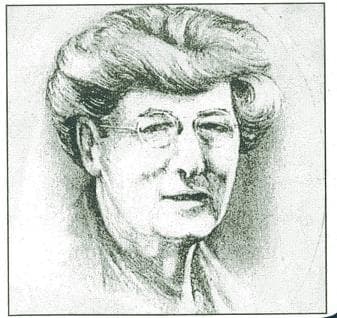
E. M. Hull
E. M. Hull was a British author best known for her provocative and controversial novel, 'The Sheik,' published in 1919. This work, which combined elements of romance and adventure, introduced readers to the exoticism of the Middle East through the story of a British woman who falls in love with a powerful Arab sheik. Hull's portrayal of passion and desire challenged the conventions of her time, contributing to the popularity of the 'sheik' genre in literature and film, which often featured themes of forbidden love and cultural clashes. Her writing was characterized by its vivid descriptions and strong, independent female characters, which resonated with readers seeking escapism during the tumultuous years following World War I. In addition to 'The Sheik,' Hull wrote several other novels, including 'The Sheik and the Woman' and 'The Son of the Sheik,' further exploring themes of romance and adventure in exotic settings. Hull's work was significant not only for its commercial success but also for its impact on the portrayal of gender roles in early 20th-century literature. Despite the criticisms of her romanticized depictions of Eastern cultures, Hull's novels paved the way for future authors to explore similar themes, solidifying her legacy as a pioneer of the genre. Her contributions to literature reflect a complex interplay of desire, cultural representation, and the evolving roles of women in society.
Famous Quotes
View all 5 quotes“Because I wanted you. Because one day in Biskra, four weeks ago, I saw you for a few moments, long enough to know that I wanted you. And what I want I take.””
“To be bound irrevocably to the will and pleasure of a man who would have the right to demand obedience in all that constituted marriage and the strength to enforce those claims revolted her.””
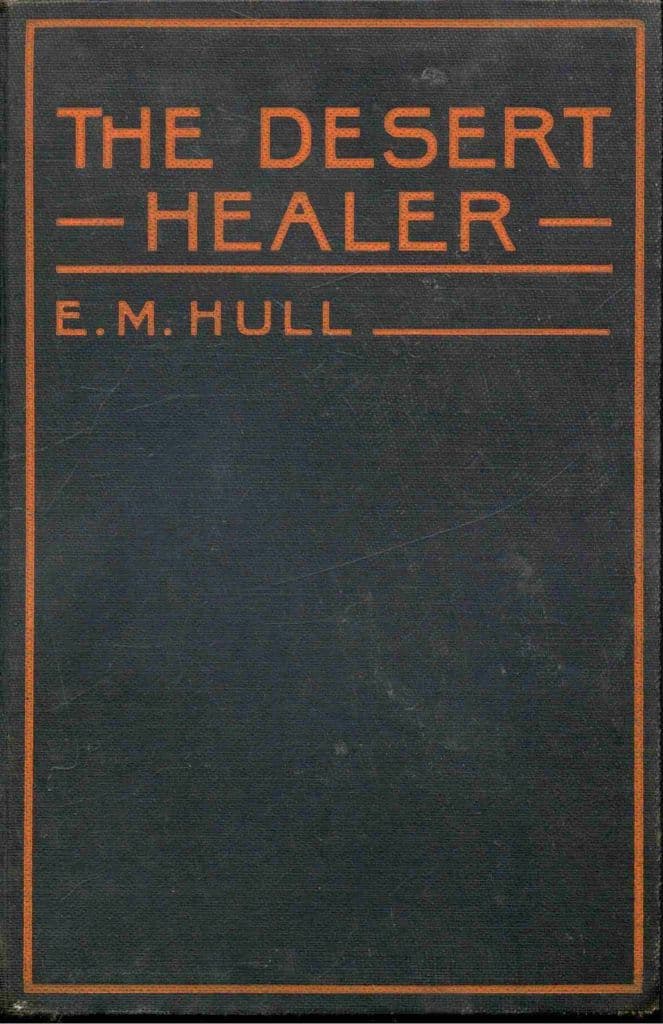
Books from the author

Link to this page
Add a free, dofollow link to Lex on your blog, forum, syllabus, or reading list.

<a href="https://lex-books.com/author/e-m-hull"><img src="https://lex-books.com/badges/read-on-lex.svg" alt="E. M. Hull on Lex" width="160" height="40"></a>[](https://lex-books.com/author/e-m-hull)[url=https://lex-books.com/author/e-m-hull][img]https://lex-books.com/badges/read-on-lex.svg[/img][/url]E. M. Hull on Lex: https://lex-books.com/author/e-m-hull