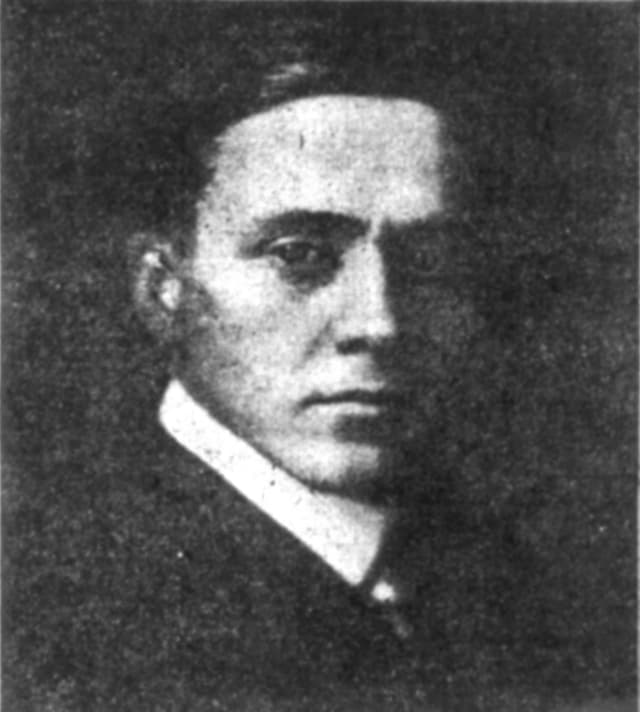
Charles Goddard
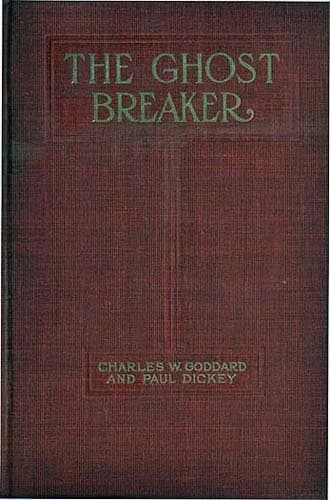
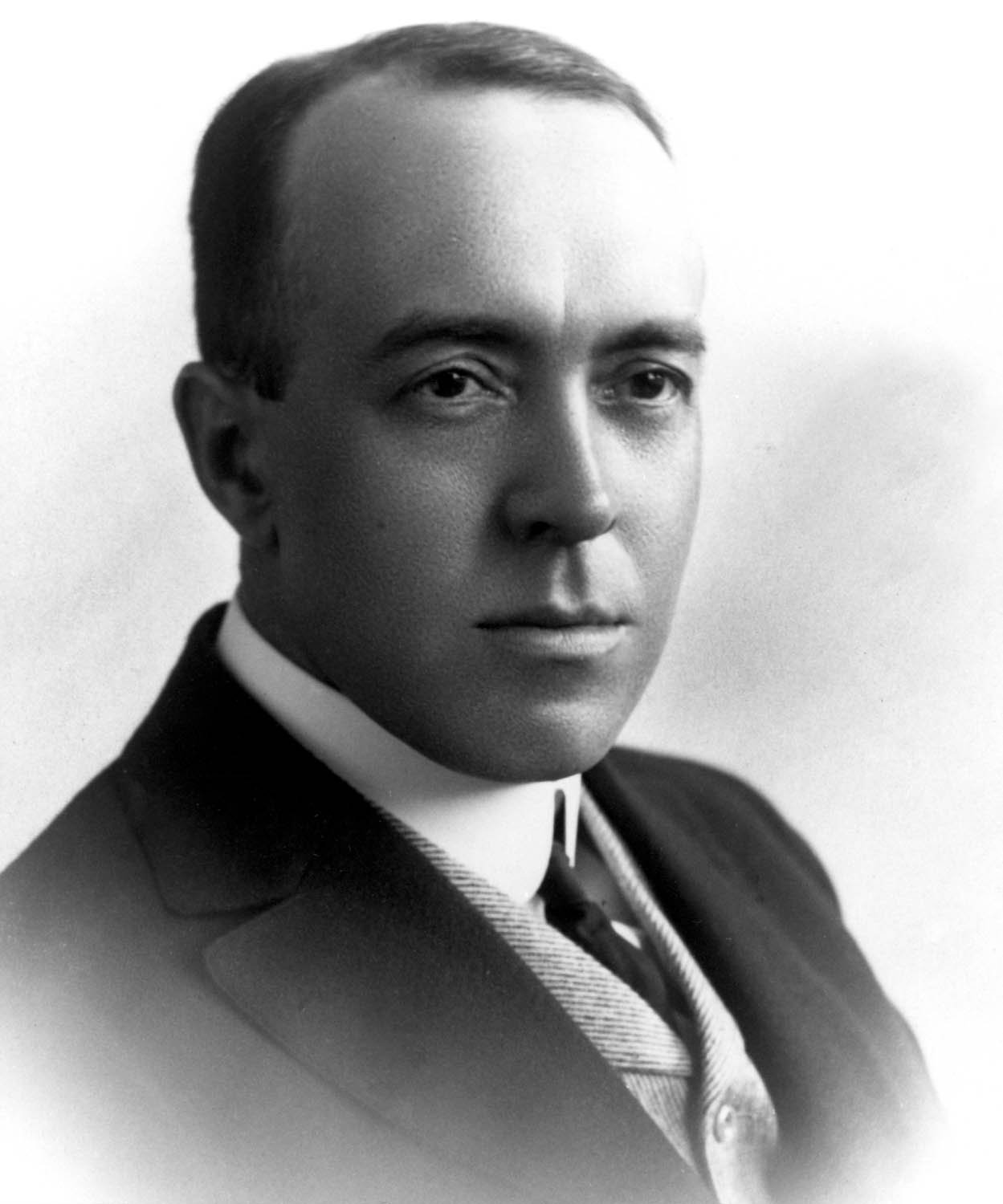
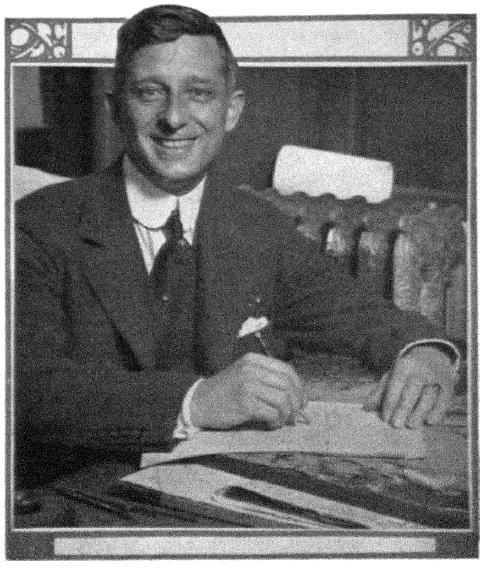
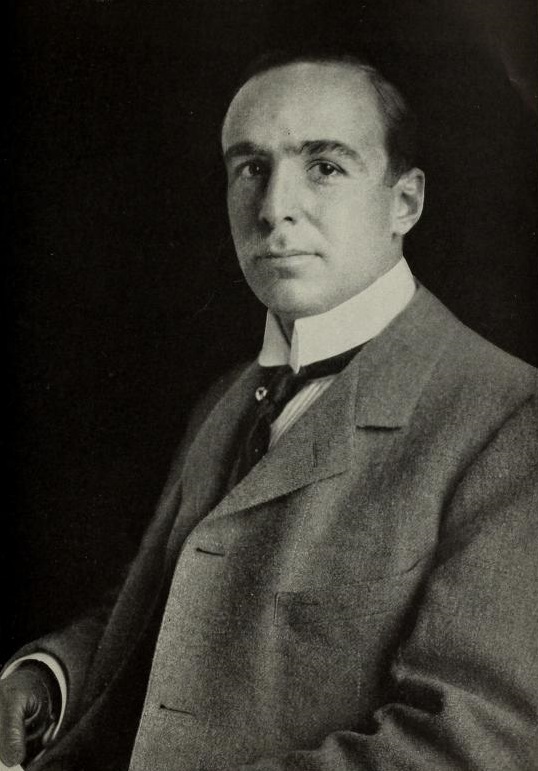
Charles Goddard was an American playwright and novelist whose works often blended elements of comedy and adventure. Born in 1879, he gained prominence in the early 20th century, particularly for his contributions to the theatrical landscape. One of his most notable works is 'The Ghost Breaker,' a novel adapted from his successful play, which showcases his knack for combining humor with supernatural themes. This work exemplifies the era's fascination with ghost stories and the supernatural, while also reflecting Goddard's ability to engage audiences with witty dialogue and engaging plots. Another significant contribution from Goddard is 'The Perils of Pauline,' which was originally conceived as a serial film but later adapted into various formats, including dramatic readings. This work became emblematic of the adventure serial genre, encapsulating the thrills and dangers faced by its heroine. Goddard's influence extended beyond his own writings, as his works helped shape the popular culture of his time, particularly in the realm of entertainment that combined suspense, humor, and romance. His legacy endures in the continued interest in early 20th-century serials and theatrical adaptations, marking him as a notable figure in American literature and drama.
Famous Quotes
View all 3 quotes“It was easy to show that criminals sometimes clustered in families. But it was a great leap to claim that the essential traits of criminality or deviance were the products of families”
“The other nations spent only stingily on their science programs, and in some cases neglected them entirely, as the derision hurled at Goddard's seminal first rocket experiment shows. They also set very limited goals, while the Third Reich, on the other hand, directed large resources to research and encouraged extreme, visionary, and highly experimental projects.””
“Also during their honeymoon, Jane shared with him a gift from her favorite professor at Swarthmore, Henry Goddard, chair of the English Department. For every student, Goddard wrote a phrase from literature on a slip of paper, put it inside a walnut shell, and presented it at the end of the semester. For Jane, he had selected a sentence from Dostoyevsky: “One sacred memory from childhood is perhaps the best education.” Kurt referred to it for years as inspiration and solace.””
Books from the author

Link to this page
Add a free, dofollow link to Lex on your blog, forum, syllabus, or reading list.

<a href="https://lex-books.com/author/charles-goddard"><img src="https://lex-books.com/badges/read-on-lex.svg" alt="Charles Goddard on Lex" width="160" height="40"></a>[](https://lex-books.com/author/charles-goddard)[url=https://lex-books.com/author/charles-goddard][img]https://lex-books.com/badges/read-on-lex.svg[/img][/url]Charles Goddard on Lex: https://lex-books.com/author/charles-goddard