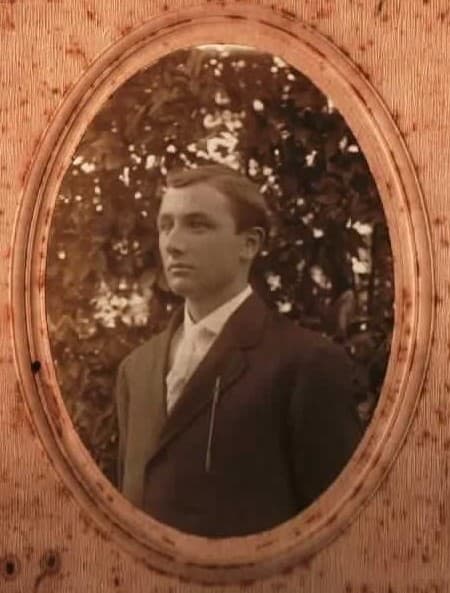
Charles Boardman Hawes
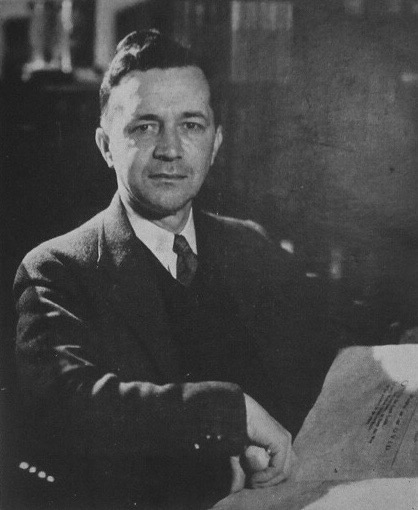
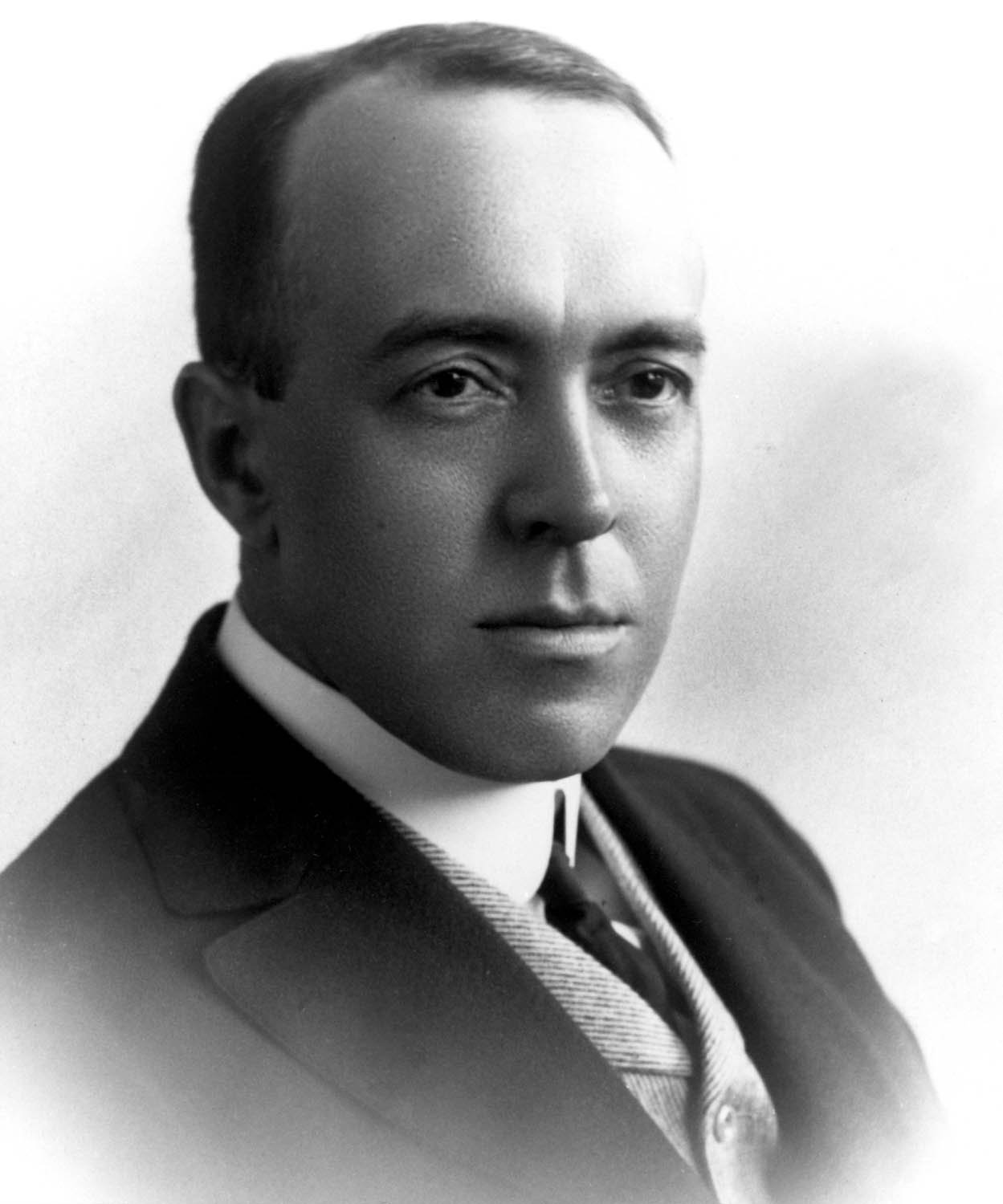
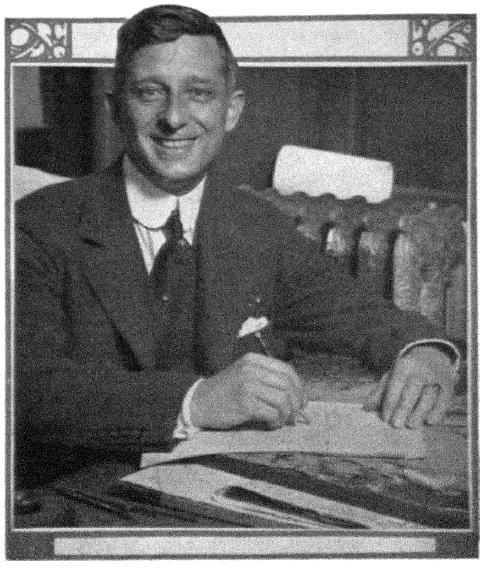
Charles Boardman Hawes was an American author renowned for his captivating sea stories, which combined elements of both fiction and nonfiction. Born in 1889, he developed a passion for maritime themes that would define his literary career. Although he published only two of his five planned works before his untimely death at the age of 34, his impact on children's literature was significant. His third novel, The Dark Frigate, earned him the distinction of being the first U.S.-born recipient of the Newbery Medal, awarded for the year's best American children's book. This accolade underscored his talent for storytelling and his ability to engage young readers with historical narratives set against the backdrop of the sea. Hawes's writing drew comparisons to literary giants such as Robert Louis Stevenson, Richard Henry Dana, and Herman Melville, highlighting his skill in crafting adventure tales that resonated with audiences. His works, characterized by rich descriptions and a deep understanding of maritime life, contributed to the genre of children's historical fiction. Despite his brief career, Hawes left a lasting legacy, inspiring future generations of writers and readers with his vivid depictions of adventure and exploration on the high seas.
Famous Quotes
View all 3 quotes“There is no time like the very early morning for subtle and mysterious deeds.”
“Shepherds, did they but know it, walk through greater halls than kings.”
“Like it or not, Philip Marsham is now a pirate--with only the hangman awaiting his return to England.”
Books from the author
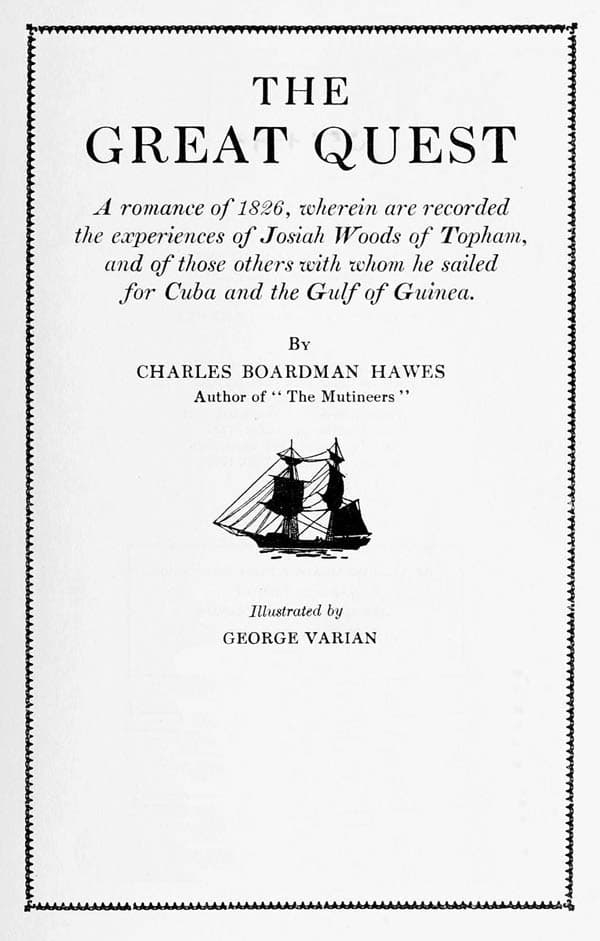



Link to this page
Add a free, dofollow link to Lex on your blog, forum, syllabus, or reading list.

<a href="https://lex-books.com/author/charles-boardman-hawes"><img src="https://lex-books.com/badges/read-on-lex.svg" alt="Charles Boardman Hawes on Lex" width="160" height="40"></a>[](https://lex-books.com/author/charles-boardman-hawes)[url=https://lex-books.com/author/charles-boardman-hawes][img]https://lex-books.com/badges/read-on-lex.svg[/img][/url]Charles Boardman Hawes on Lex: https://lex-books.com/author/charles-boardman-hawes