C. E. Smith
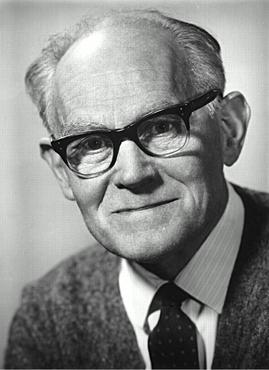
C. E. Smith was an American author and a significant figure in the realm of science fiction, particularly known for his contributions to the Lensman series. His most notable works include 'Gray Lensman,' 'Galactic Patrol,' and 'Children of the Lens,' which are part of a larger narrative that explores themes of space opera, intergalactic conflict, and the evolution of humanity through advanced technology. Smith's writing is characterized by its imaginative world-building and complex characters, often reflecting the anxieties and aspirations of the mid-20th century. In addition to his science fiction works, Smith also authored children's books, such as 'Trees, Shown to the Children' and 'Flowers, Shown to the Children,' which aimed to educate young readers about the natural world. These works highlight his versatility as a writer and his commitment to fostering a love of nature in children. C. E. Smith's legacy endures through his influential contributions to both genres, inspiring future generations of writers and readers alike with his visionary storytelling and dedication to exploring the unknown.
Famous Quotes
View all 4 quotes“E io che c'entro?", disse Gabriel, rilanciando il foglio a Kaitlyn. Era sdraiato sul letto a leggere una rivista di automobili - vetture di lusso. "Non è un problema mio". Kaitlyn afferrò il foglio a mezz'aria. Aveva dovuto ricorrere a tutto il suo autocontrollo per entrare in quella stanza. Probabilmente non avrebbe dovuto farlo, ma in quel momento non riusciva ad affrontare Rob da sola, e Anna era al telefono con i suoi familiari dall'ora di cena. Kaitlyn si sforzò di mantenere la calma. "Se c'è qualcosa di vero in quello che sostiene Marisol, allora è un problema di tutti", disse a Gabriel con fermezza. "E tu sei stato l'unico a dire che qui c'era qualcosa che non andava". Il ragazzo si strinse nelle spalle. "E allora?". Kait aveva voglia di urlare. "Tu sei convinto che ci sia qualcosa che non va - ma non t'importa di scoprirlo? Non vuoi fare niente?". Un accenno di sorriso baleno sulle labbra di Gabriel. "Certo che voglio fare qualcosa. Farò quello che so fare meglio". Kaitlyn non voleva dargli soddisfazione, ma non riuscì a nascondere la propria curiosità. Anche se si sentiva ridotta a fare la spalla di un comico, buttò lì la domanda: "E cosa sarebbe?" "Pensare a me stesso", rispose compiaciuto Gabriel. Gli occhi neri scintillarono di maligna soddisfazione.””
“The coercive power of ritual is necessary because of a natural resistance to such change. Stevens cites Whitmont’s law of psychic inertia, and compares it to Newton’s law of inertia in physics. Newton’s law of inertia, it will be recalled, holds that a body in motion or rest tends to remain in motion or rest unless an outside force propels it to change. According to Jungian analyst E. C. Whitmont, the psyche, being a part of nature, operates on a psychic law of inertia. Psychic inertia is a tendency towards habit and obsessive clinging: “Every pattern of adaptation, outer and inner, is maintained in essentially the same unaltered form and anxiously defended against change until an equally strong or stronger impulse is able to displace””
“On the morning of July 1st, Secretary of War Lamont and E.C. Benedict were ferried to the Oneida, where they would remain on deck in clear view, as if enjoying a pleasure cruise. After Cleveland ate breakfast, the physicians repeatedly irrigated and disinfected his mouth in preparation for surgery. Doctors Bryant and Keen were particularly concerned about administering anesthesia to their 56-year-old obese patient, fearing respiratory and cardiovascular complications.””
Books from the author






Link to this page
Add a free, dofollow link to Lex on your blog, forum, syllabus, or reading list.

<a href="https://lex-books.com/author/c-e-smith"><img src="https://lex-books.com/badges/read-on-lex.svg" alt="C. E. Smith on Lex" width="160" height="40"></a>[](https://lex-books.com/author/c-e-smith)[url=https://lex-books.com/author/c-e-smith][img]https://lex-books.com/badges/read-on-lex.svg[/img][/url]C. E. Smith on Lex: https://lex-books.com/author/c-e-smith