
Bishop of Milan Saint Ambrose
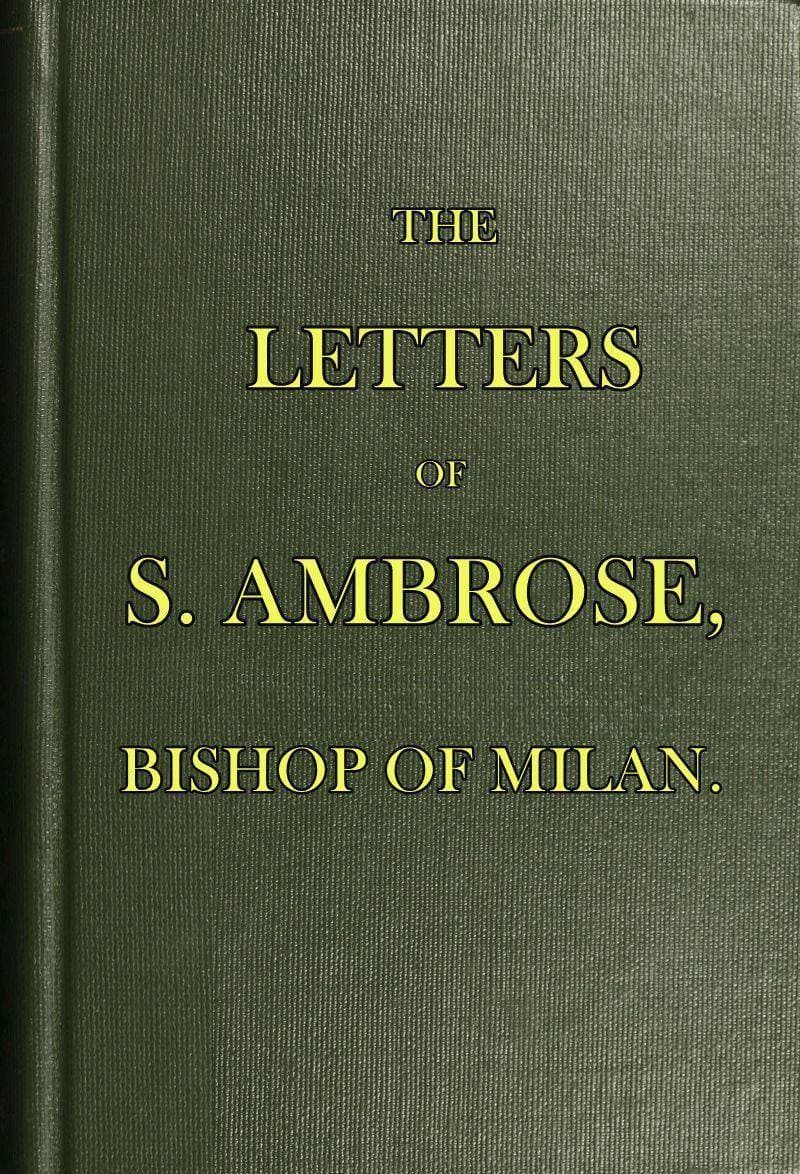
Ambrose of Milan, known as Saint Ambrose, was a prominent theologian and statesman who served as the Bishop of Milan from 374 to 397. He was a powerful advocate for Nicene Christianity, vigorously opposing Arianism and pagan practices during a time of significant religious conflict. His influence extended beyond the pulpit; he was a skilled writer whose works contributed to the development of Christian doctrine and ethics. Among his notable writings are the ethical treatise 'De officiis ministrorum,' which provided guidance for clergy, and the exegetical work 'Exameron,' which offered interpretations of the Book of Genesis. Ambrose's legacy is marked not only by his theological contributions but also by his innovative approach to hymnography, which laid the groundwork for future Christian music. His ability to engage with the political landscape of his time, coupled with his eloquent preaching and literary output, established him as one of the most significant ecclesiastical figures of the 4th century. His impact on the Church and Western thought continues to be felt, as he shaped the role of bishops and the relationship between church and state, influencing generations of Christian leaders and theologians that followed.
Famous Quotes
View all 2 quotes“Let your door stand open to receive Him, unlock your soul to Him, offer Him a welcome in your mind, and then you will see the riches of simplicity, the treasures of peace, the joy of grace. Throw wide the gate of your heart, stand before the sun of the everlasting light...””
“You, the rich, how far will you push your frenzied greed? . . . When giving to the poor, you are not giving him what is yours; rather, you are paying him back what is his. Indeed, what is common to all, and has been given to all to make use of, you have usurped for yourself alone. The earth belongs to all, and not only to the rich . . . You are paying him back, therefore, your debt; you are not giving gratuitously what you do not owe.””
Books from the author






Link to this page
Add a free, dofollow link to Lex on your blog, forum, syllabus, or reading list.

<a href="https://lex-books.com/author/bishop-of-milan-saint-ambrose"><img src="https://lex-books.com/badges/read-on-lex.svg" alt="Bishop of Milan Saint Ambrose on Lex" width="160" height="40"></a>[](https://lex-books.com/author/bishop-of-milan-saint-ambrose)[url=https://lex-books.com/author/bishop-of-milan-saint-ambrose][img]https://lex-books.com/badges/read-on-lex.svg[/img][/url]Bishop of Milan Saint Ambrose on Lex: https://lex-books.com/author/bishop-of-milan-saint-ambrose