Bento de Oliveira Cardoso, Visconde de Villa-Moura
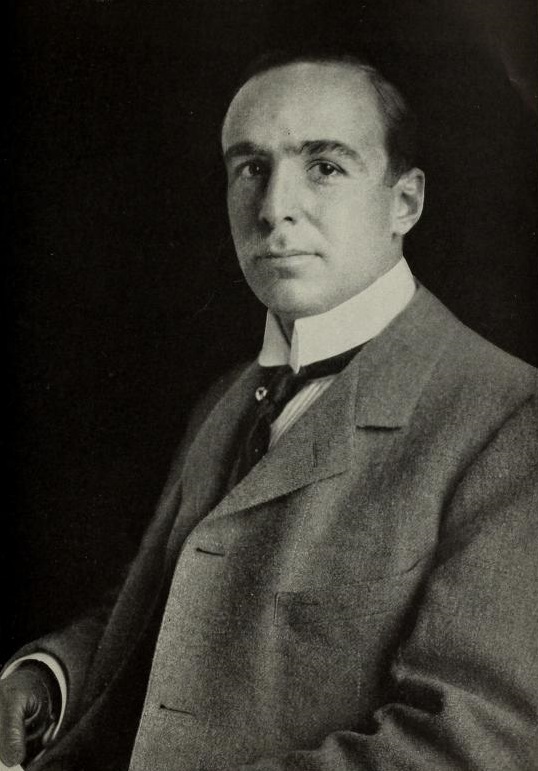
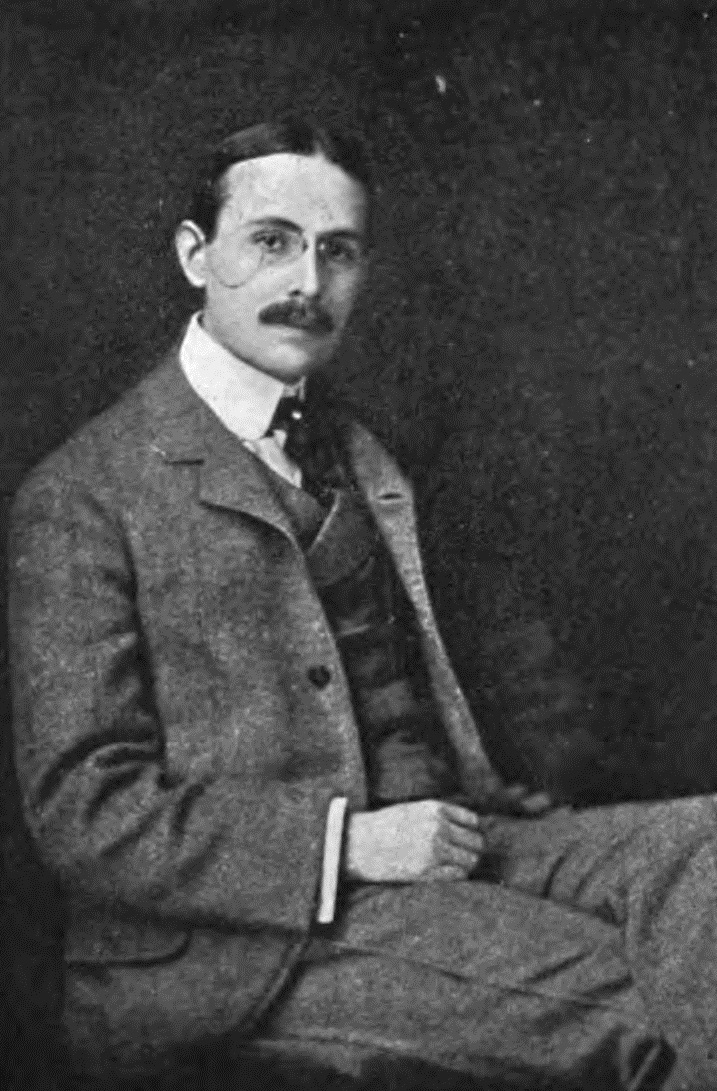
Bento de Oliveira Cardoso, known as the Visconde de Villa-Moura, was a prominent Portuguese playwright and literary figure of the early 20th century. Born in 1877, he emerged as a voice of modernist thought in Portugal, contributing significantly to the literary landscape of his time. His works often explored themes of identity, existentialism, and the human condition, reflecting the complexities of Portuguese society during a period of great change. Among his notable works is 'Nova Sapho: Tragedia Extranha,' which showcases his innovative approach to tragedy and his ability to intertwine classical influences with contemporary issues. Additionally, 'Fialho D'almeida' and 'As Cinzas De Camillo' further exemplify his skill in character development and his keen observations of social dynamics. Villa-Moura's literary contributions were significant in shaping modern Portuguese drama, and he is remembered for his ability to challenge traditional narratives and provoke thought among his audience. His works, while not as widely recognized today, have left an indelible mark on the evolution of Portuguese literature, influencing subsequent generations of writers and playwrights. He passed away in 1935, but his legacy endures through the themes and styles he introduced to the Portuguese literary canon.
Books from the author

Link to this page
Add a free, dofollow link to Lex on your blog, forum, syllabus, or reading list.

<a href="https://lex-books.com/author/bento-de-oliveira-cardoso-visconde-de-villa-moura"><img src="https://lex-books.com/badges/read-on-lex.svg" alt="Bento de Oliveira Cardoso, Visconde de Villa-Moura on Lex" width="160" height="40"></a>[](https://lex-books.com/author/bento-de-oliveira-cardoso-visconde-de-villa-moura)[url=https://lex-books.com/author/bento-de-oliveira-cardoso-visconde-de-villa-moura][img]https://lex-books.com/badges/read-on-lex.svg[/img][/url]Bento de Oliveira Cardoso, Visconde de Villa-Moura on Lex: https://lex-books.com/author/bento-de-oliveira-cardoso-visconde-de-villa-moura