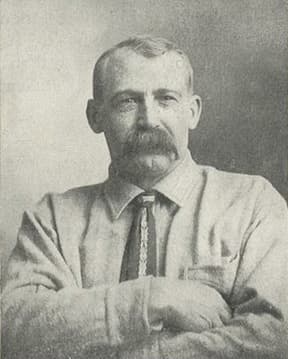
Andy Adams
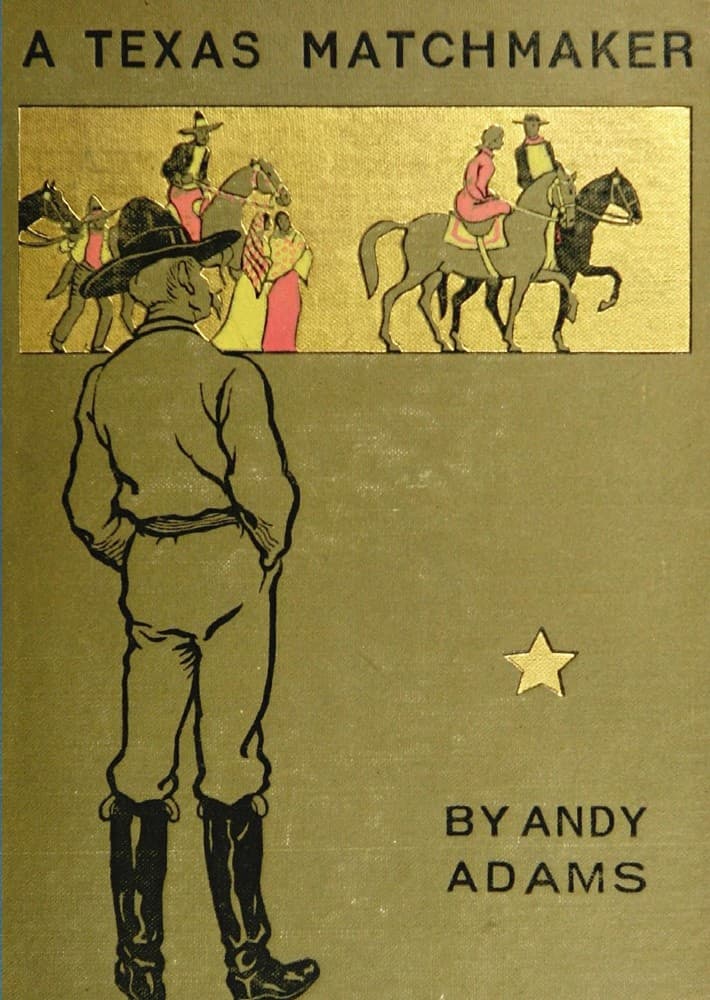
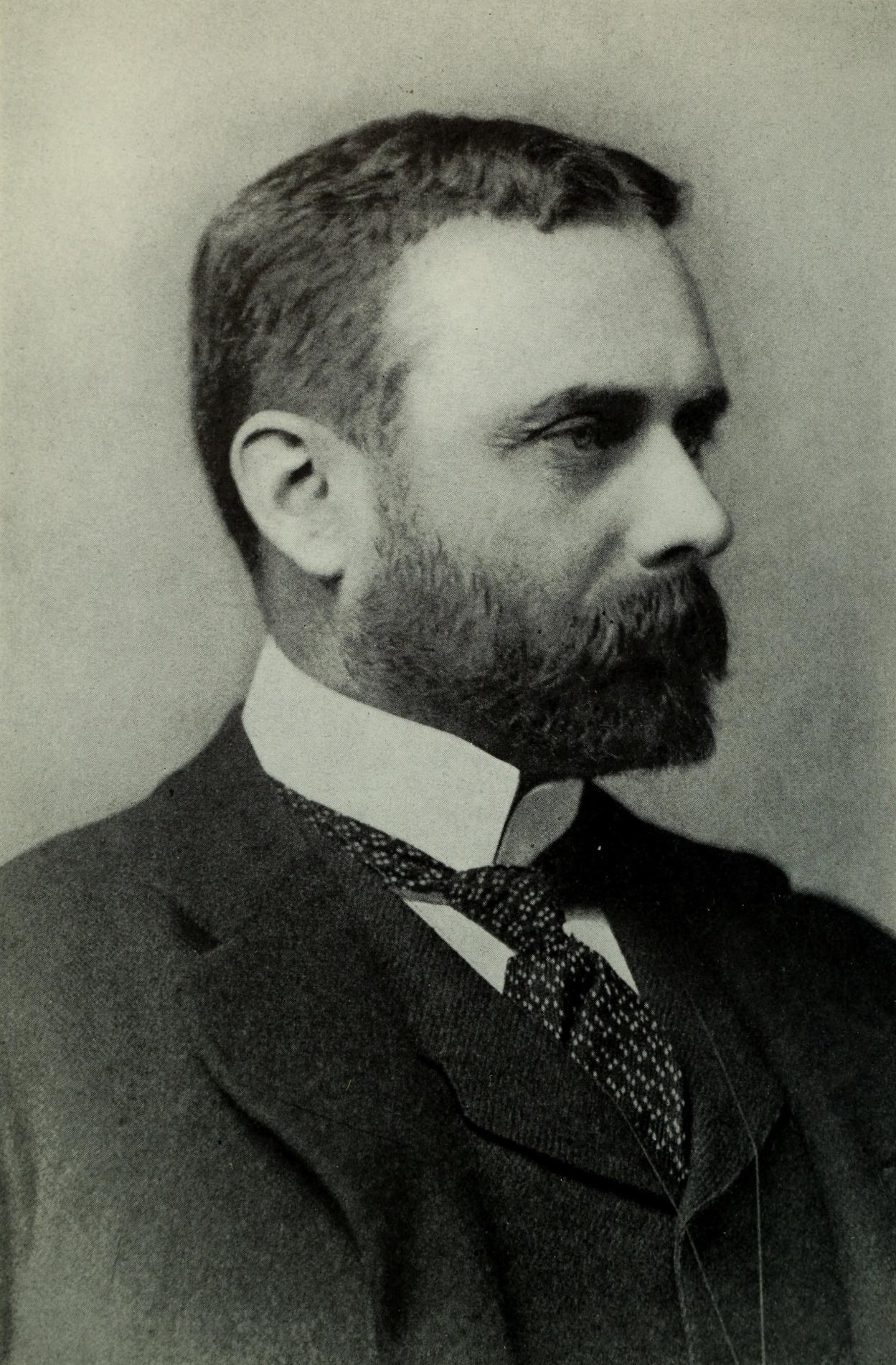
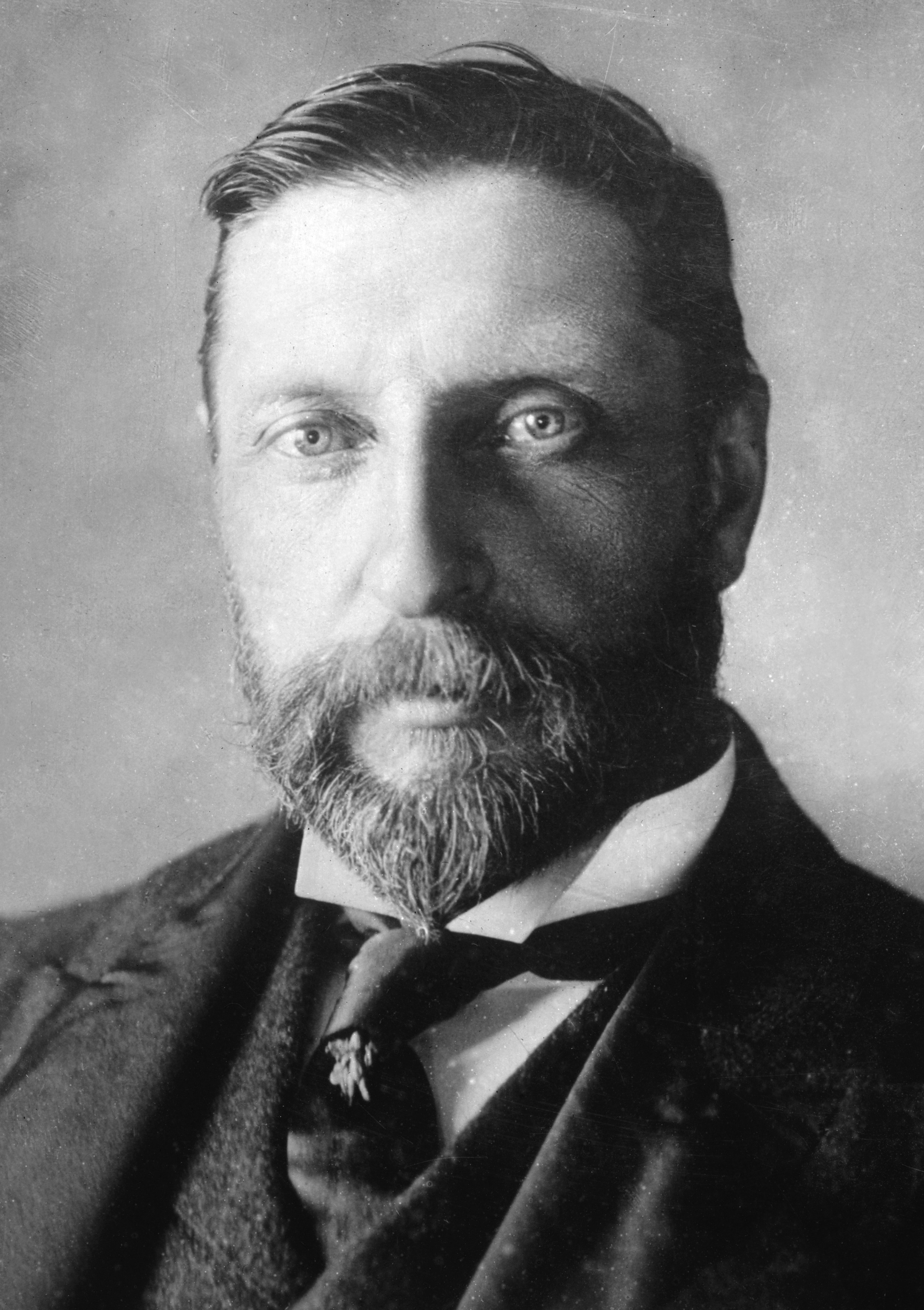
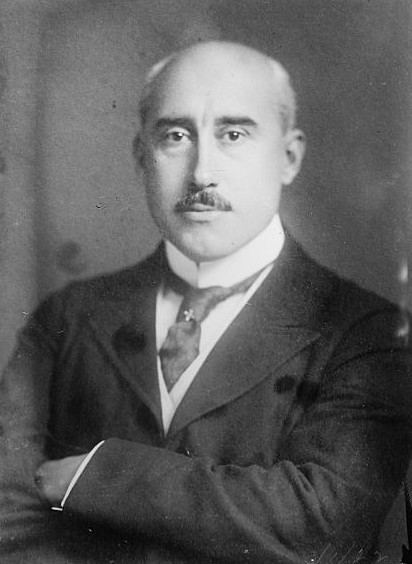
Andy Adams was an American author best known for his contributions to the genre of Western literature. Born in Indiana, he spent much of his early life in the American West, which profoundly influenced his writing. Adams's experiences as a cattle rancher and a cowboy provided him with a wealth of material that he transformed into compelling narratives. His most notable work, 'The Log of a Cowboy,' published in 1903, is often regarded as one of the first authentic cowboy novels, offering a realistic portrayal of the life and struggles of cattle drivers on the open range. This work, along with others like 'The Ranchman' and 'The Cow-Puncher,' helped to establish the Western genre as a significant literary form in American literature. Adams's writing is characterized by its vivid descriptions and attention to the realities of frontier life, setting him apart from many of his contemporaries who often romanticized the West. His commitment to authenticity and detail earned him a place among the early pioneers of Western fiction. Throughout his career, Adams contributed to the understanding of the cowboy's role in American culture, and his works continue to be studied for their historical and literary significance. His legacy endures as a key figure in the development of Western literature, influencing future generations of writers who sought to capture the spirit of the American West.
Famous Quotes
View all 3 quotes“There are friends and faces that may be forgotten, but there are horses that never will be.”
“Now a little boy or girl, and many an older person, thinks that a spotted horse is the real thing, but practical cattle men know that this freak of color in range-bred horses is the result of in-and-in breeding, with consequent physical and mental deterioration.”
“Boys, the secret of trailing cattle is never to let your herd know that they are under restraint. Let everything that is done be done voluntarily by the cattle. From the moment you let them off the bed ground in the morning until they are bedded at night, never let a cow take a step, except in the direction of its destination. In this manner you can loaf away the day, and cover from fifteen to twenty miles, and the herd in the mean time will enjoy all the freedom of an open range.”
Books from the author
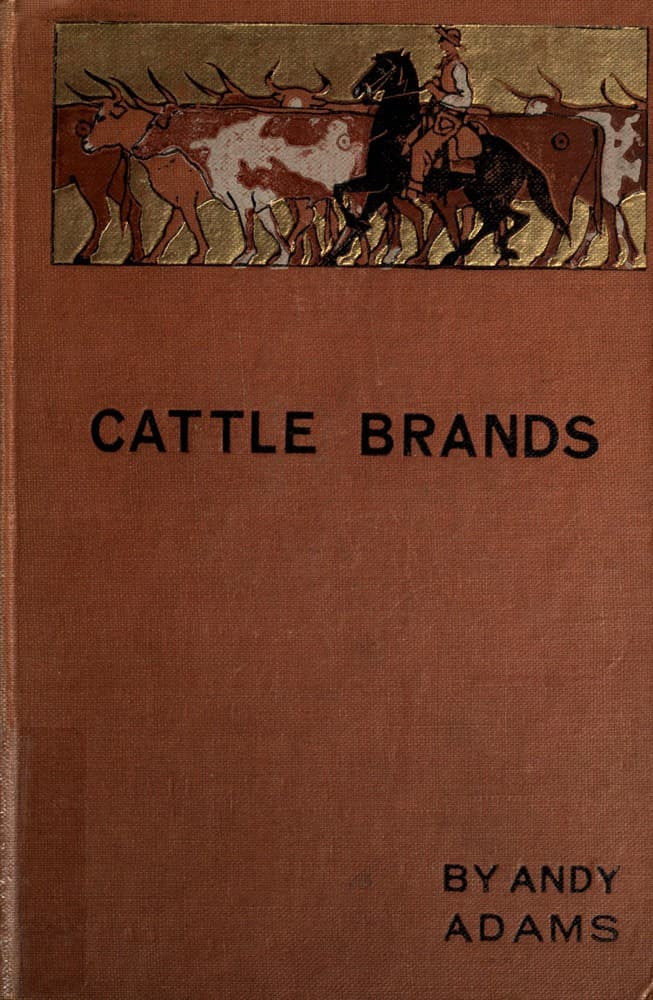
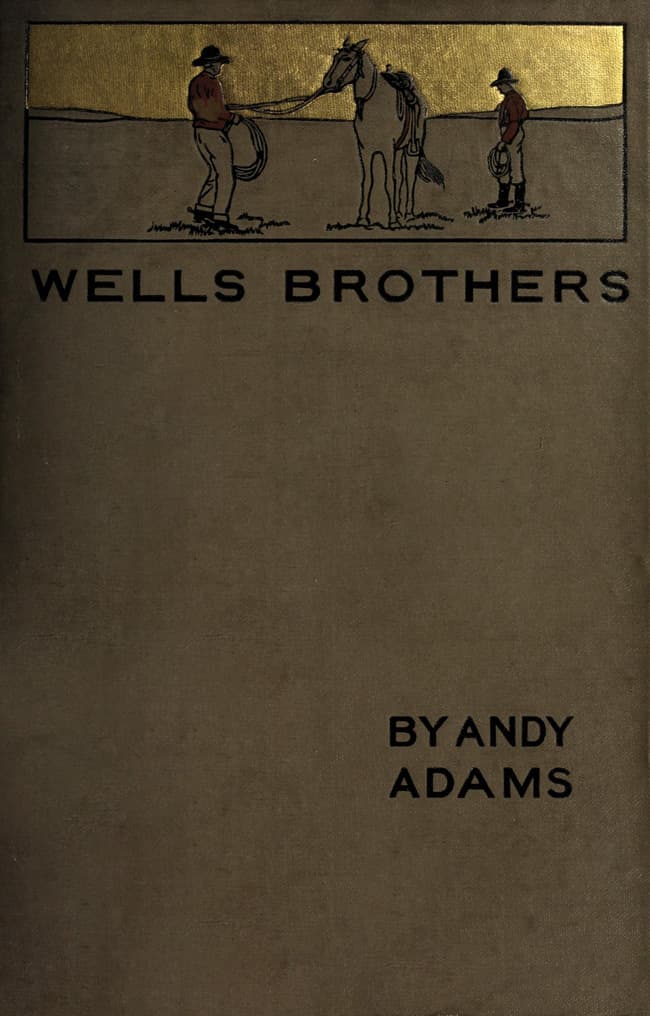
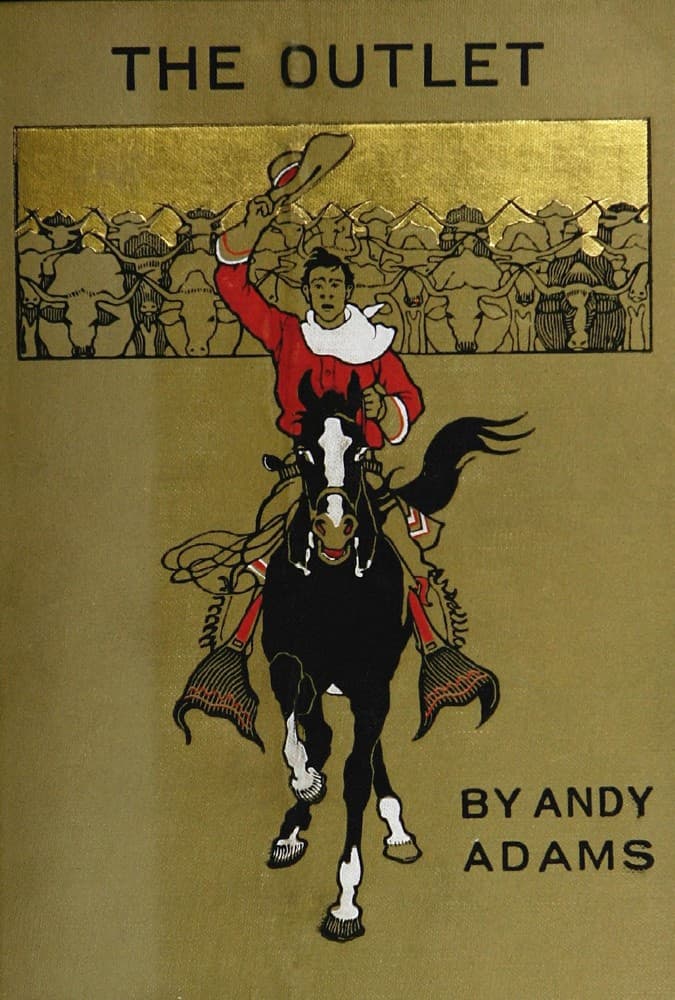



Link to this page
Add a free, dofollow link to Lex on your blog, forum, syllabus, or reading list.

<a href="https://lex-books.com/author/andy-adams"><img src="https://lex-books.com/badges/read-on-lex.svg" alt="Andy Adams on Lex" width="160" height="40"></a>[](https://lex-books.com/author/andy-adams)[url=https://lex-books.com/author/andy-adams][img]https://lex-books.com/badges/read-on-lex.svg[/img][/url]Andy Adams on Lex: https://lex-books.com/author/andy-adams