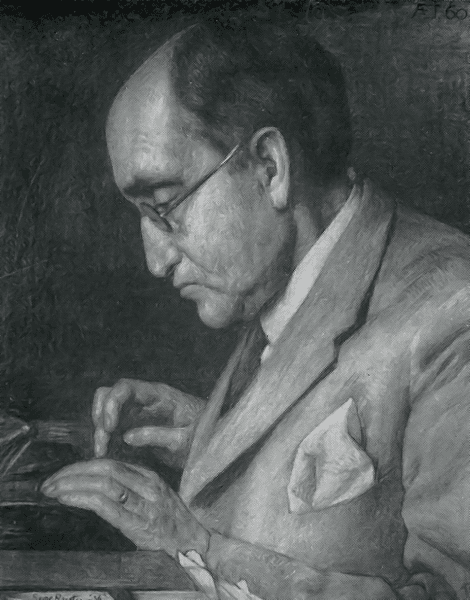
Andreas Latzko
Andreas Latzko was an Austro-Hungarian novelist and biographer, known for his pacifist views and poignant literary works. Born in Budapest to a Jewish family, he became a vocal critic of war and militarism, particularly in the context of the tumultuous early 20th century. Latzko's notable works include 'The Last Days of Mankind' and 'The Great War', which reflect his deep concerns about the human cost of conflict and the moral dilemmas faced by individuals in wartime. His writing often combined a sense of urgency with a profound empathy for the suffering of others, marking him as a significant voice in anti-war literature. Latzko's literary significance lies not only in his exploration of pacifism but also in his ability to convey the psychological impact of war on society. His works contributed to the broader discourse on peace and human rights during a period marked by widespread violence and upheaval. Despite his relatively limited recognition today, Latzko's commitment to advocating for peace and his insightful critiques of war continue to resonate, underscoring the enduring relevance of his message in contemporary discussions about conflict and humanity.
Famous Quotes
View all 2 quotes“E che cosa sa il giorno della notte, che da sempre gli dà il cambio?”
“It is the others that are sick. They are sick who gloat over news of victories and see conquered miles of territory rise resplendent above mounds of corpses. They are sick who stretch a wall of flags between themselves and their humanity so as not to know what crimes are being committed against their brothers in the beyond that they call "the front." Every man is sick who still can think, talk, discuss, sleep, knowing that other men holding their own entrails in their hands are crawling like half-crushed worms across the furrows in the fields and before they reach the stations for the wounded are dying off like animals, while somewhere, far away, a woman with passionate longing is dreaming beside an empty bed. All those are sick who can fail to hear the moaning, the gnashing of teeth, the howling, the crashing and bursting, the wailing and cursing and agonizing in death, because the murmur of everyday affairs is around them or the blissful silence of night.”
Books from the author

Link to this page
Add a free, dofollow link to Lex on your blog, forum, syllabus, or reading list.

<a href="https://lex-books.com/author/andreas-latzko"><img src="https://lex-books.com/badges/read-on-lex.svg" alt="Andreas Latzko on Lex" width="160" height="40"></a>[](https://lex-books.com/author/andreas-latzko)[url=https://lex-books.com/author/andreas-latzko][img]https://lex-books.com/badges/read-on-lex.svg[/img][/url]Andreas Latzko on Lex: https://lex-books.com/author/andreas-latzko