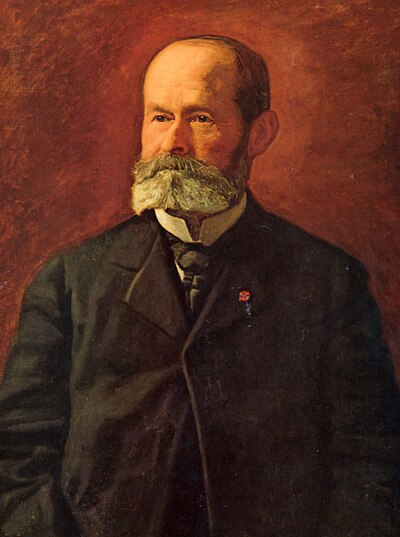
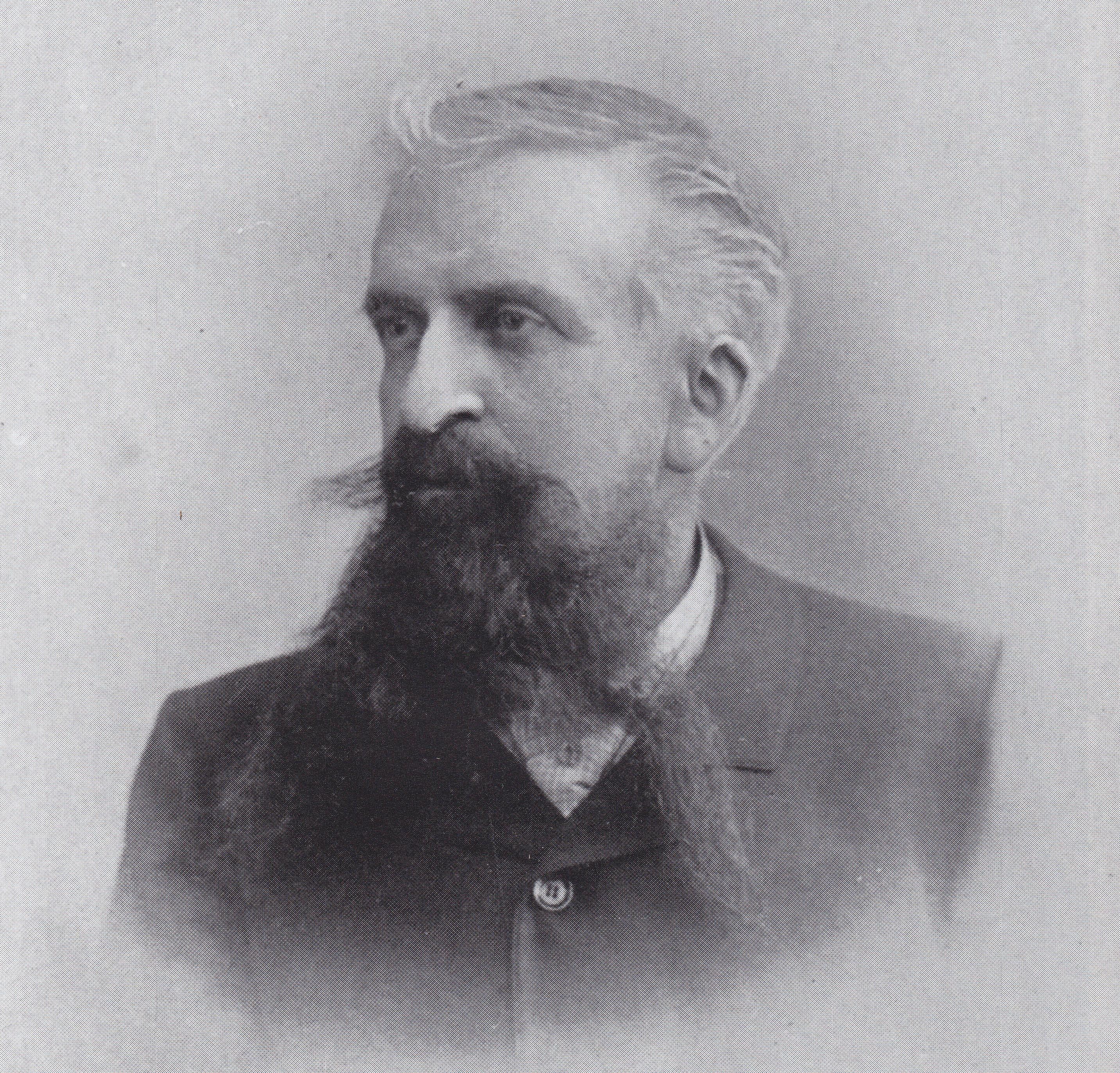
A. Alpheus
A. Alpheus was a notable figure in the field of hypnotism and spiritualism during the late 19th and early 20th centuries. He is best known for his comprehensive works, 'Complete Hypnotism, Mesmerism, Mind-Reading and Spiritualism: How to Hypnotize' and 'Complete Hypnotism, Mesmerism, Mind-Reading and Spiritualism.' In these texts, Alpheus explored the intricacies of hypnotic techniques, the principles of mesmerism, and the burgeoning interest in mind-reading and spiritual phenomena that captivated the public imagination at the time. Alpheus's writings served as both practical guides and theoretical explorations of the mind's capabilities, reflecting the era's fascination with the occult and the psychological sciences. His contributions to the literature on hypnotism were significant, as they provided a systematic approach to understanding and applying these techniques, making them accessible to a wider audience. Through his work, Alpheus not only contributed to the popularization of hypnotism but also engaged with the broader cultural currents of his time, which sought to bridge the gap between science and the mystical. His legacy endures in the continued interest in hypnotism and its applications in psychology and therapy today.
Famous Quotes
View all 3 quotes“It is on power of supersensory, or extra-sensory perception that what is known as telepathy and clairvoyance are based. That such things really exist, and are not wholly a matter of superstition has been thoroughly demonstrated in a scientific way by the British Society for Psychical Research, and kindred societies”
“Science teaches that all matter is in vibration. Indeed, philosophy points to the theory that matter itself is nothing more than centers of force in vibration. The lowest vibration we know is that of sound. Then comes, at an enormously higher rate, heat, light (beginning at dark red and passing through the prismatic colors to violet which”
“hypnotic state seem to have certain of their senses greatly heightened in power. They can remember, see and hear things that ordinary persons would be entirely ignorant of. There is abundant evidence that a supersensory perception is also developed, entirely beyond the most highly developed condition of the ordinary senses,”
Books from the author









Link to this page
Add a free, dofollow link to Lex on your blog, forum, syllabus, or reading list.

<a href="https://lex-books.com/author/a-alpheus"><img src="https://lex-books.com/badges/read-on-lex.svg" alt="A. Alpheus on Lex" width="160" height="40"></a>[](https://lex-books.com/author/a-alpheus)[url=https://lex-books.com/author/a-alpheus][img]https://lex-books.com/badges/read-on-lex.svg[/img][/url]A. Alpheus on Lex: https://lex-books.com/author/a-alpheus