“Curious Oriental imagery was employed in these documents. In one of his earlier letters the thum asked why the British strayed thus into his country 'like camels without nose rings'. In another letter he declared that he cared nothing for the womanly English, as he hung upon the skirts of the manly Russians, and he warned Colonel Durand that he had given orders to his followers to bring him the Gilgit Agent's head on a platter. The thum was, indeed an excellent correspondent about this time. He used to dictate his letters to the Court Munshi, the only literary man, I believe, in the whole of his dominions, who wrote forcible, if unclassical, Persian. In one letter the thum somewhat shifted his ground, and spoke of other friends. 'I have been tributary to China for hundreds of years. Trespass into China if you dare,' he wrote to Colonel Durand. 'I will withstand you, if I have to use bullets of gold. If you venture here, be prepared to fight three nations - Hunza, China, and Russia. We will cut your head off, Colonel Durand, and then report you to the Indian Government.””
Quotes by E. F. Knight
“It is the cautious and not the reckless sailor who takes his little vessel to distant shores;””
“The whole Happy Valley, indeed, lay beneath me, and I could trace my former journeys, and those yet to come, march after march. There lay the broad expanse of the Wular Lake, with its little island in the middle, where is the ruined temple of the Serpent God, its winding bays and far-stretching promontories; and I could follow for league and leagues the sinuous reaches of the Jhelum, and the other rivers that bring fertility to this fat land from the surrounding mountain snows. No wonder the old conquerors from over the desert northern highlands waxed enthusiastic when they looked down first upon the fair, well-watered vale, and hailed it as the earthly paradise.””
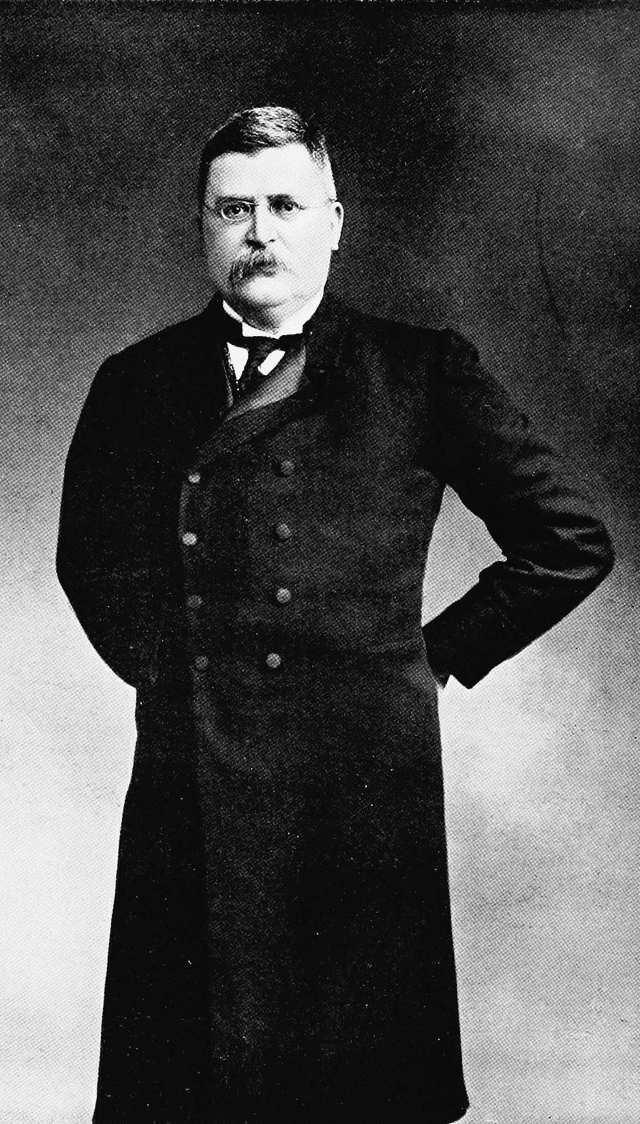 E. F. Knight
E. F. Knight was a British author and travel writer known for his vivid accounts of his journeys and keen observations of geopolitical changes in the early 20th century. His works often reflected his ...