William Pitt and the Great War
1911
William Pitt and the Great War
1911
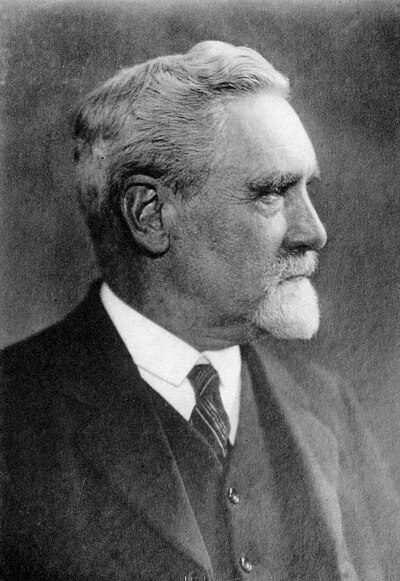
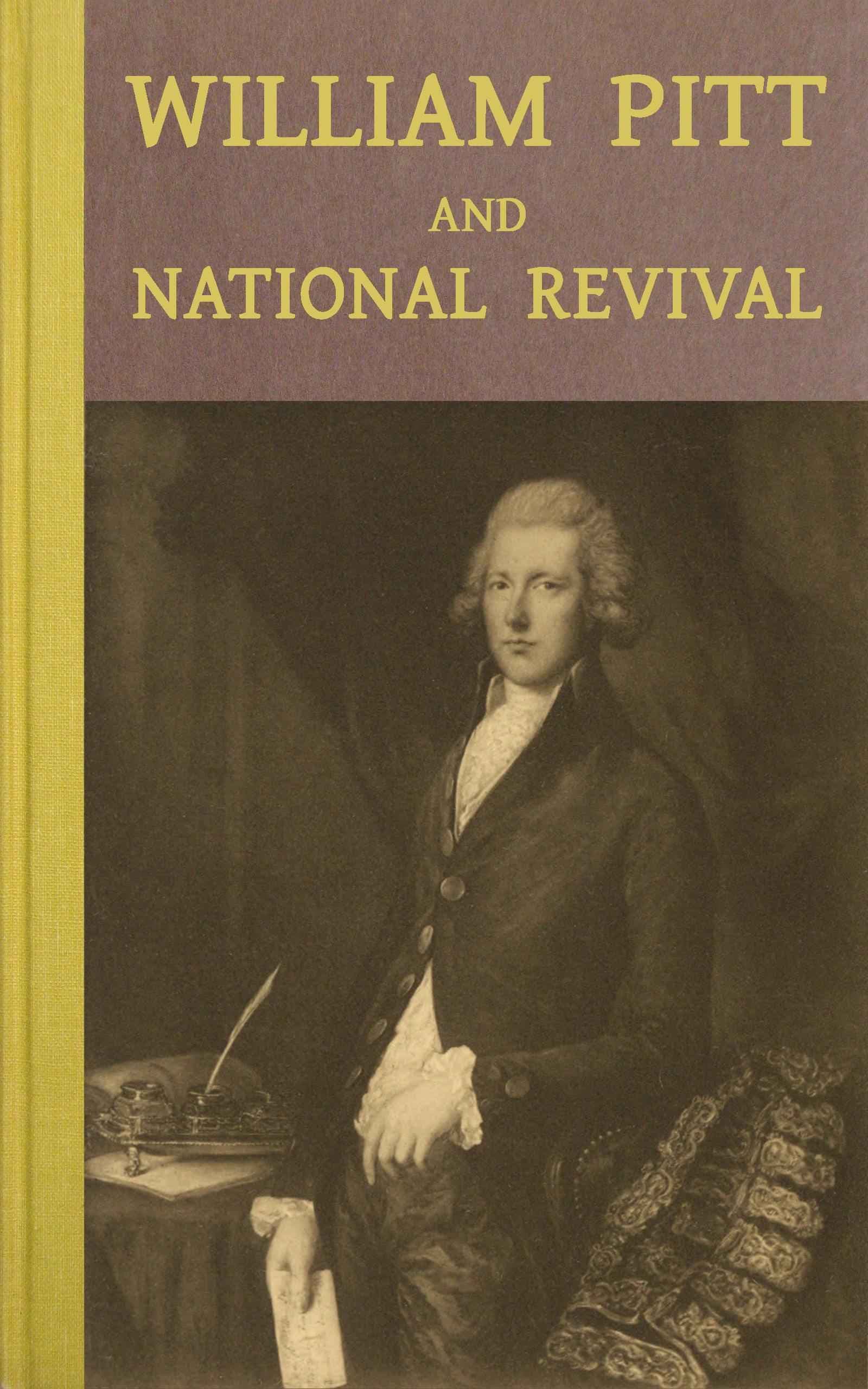
William Pitt the Younger ascended to the highest office in Britain at just twenty-four years old, becoming the youngest prime minister in British history, and then had to navigate the most catastrophic war Britain had yet faced. J. Holland Rose's 1911 study traces Pitt's political career from his early reformist impulses through his transformation into the iron-willed wartime leader who held Britain together against Napoleon's empire. The book examines how Pitt managed the delicate balancing act of prosecuting an expensive continental war while containing revolutionary sentiment at home, maintaining parliamentary support despite mounting casualties and debt. Rose provides particular insight into the diplomatic chess game of the 1790s, the shifting alliances, the fear of French republicanism spreading, the failed attempts to rescue Louis XVI. This is not hagiography; Rose acknowledges Pitt's failures alongside his achievements. For readers interested in how Britain survived its existential crisis, or in the making of the modern British state, Rose's meticulous primary-source scholarship remains valuable over a century after publication.
Editions
X-Ray
“ci-devant Jacobins would form an entertaining volume.””
— J. Holland Rose
Link to this book
Add a free, dofollow link to Lex on your blog, forum, syllabus, or reading list.

<a href="https://lex-books.com/book/william-pitt-and-the-great-war-c4984d1f-7b00-4544-9b4e-a89ad77687dc"><img src="https://lex-books.com/badges/read-on-lex.svg" alt="Read William Pitt and the Great War by J. Holland Rose free on Lex" width="160" height="40"></a>[](https://lex-books.com/book/william-pitt-and-the-great-war-c4984d1f-7b00-4544-9b4e-a89ad77687dc)[url=https://lex-books.com/book/william-pitt-and-the-great-war-c4984d1f-7b00-4544-9b4e-a89ad77687dc][img]https://lex-books.com/badges/read-on-lex.svg[/img][/url]Read William Pitt and the Great War by J. Holland Rose free on Lex: https://lex-books.com/book/william-pitt-and-the-great-war-c4984d1f-7b00-4544-9b4e-a89ad77687dcCite this book
Reading this edition for a paper or guide? Copy a citation.
Rose, J. Holland. William Pitt and the Great War. Lex, lex-books.com/book/william-pitt-and-the-great-war-c4984d1f-7b00-4544-9b4e-a89ad77687dc.Rose, J. H. (1911). William Pitt and the Great War. Lex. https://lex-books.com/book/william-pitt-and-the-great-war-c4984d1f-7b00-4544-9b4e-a89ad77687dcRose, J. Holland. William Pitt and the Great War. Lex. https://lex-books.com/book/william-pitt-and-the-great-war-c4984d1f-7b00-4544-9b4e-a89ad77687dc.