William Blake, Painter and Poet
1895
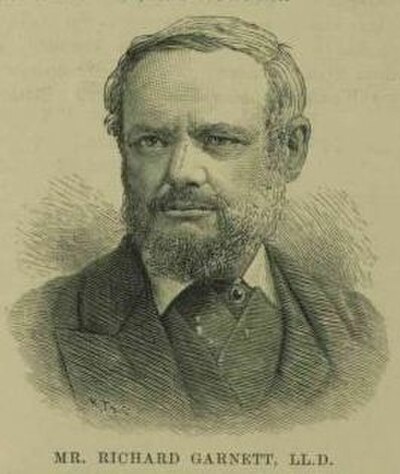
Richard Garnett's 1895 biography captures William Blake at the moment of his emergence from obscurity into the canon. Garnett knew many who had known Blake personally, lending this account an intimacy impossible to replicate. The book traces the extraordinary life of a man who claimed to have seen angels in a tree at age four, who worked as an engraver to survive while producing some of the most visionary poetry and painting in the English language, and who died in poverty, unrecognized, only to become one of the most influential artists in Western history. Garnett explores Blake's radical politics, his unorthodox spiritual beliefs, and his insistence that imagination, not reason, is the highest faculty. The biography illuminates how Blake fused poetry and visual art into seamless illuminated books, creating works that defy categorization between literature and painting. This is essential reading for anyone seeking to understand the life that produced "Songs of Innocence," "The Marriage of Heaven and Hell," and the terrifying visions of "Jerusalem."
Editions
Link to this book
Add a free, dofollow link to Lex on your blog, forum, syllabus, or reading list.

<a href="https://lex-books.com/book/william-blake-painter-and-poet-2a0dfe38-fe78-45fe-a99b-d71755f20ee3"><img src="https://lex-books.com/badges/read-on-lex.svg" alt="Read William Blake, Painter and Poet by Richard Garnett free on Lex" width="160" height="40"></a>[](https://lex-books.com/book/william-blake-painter-and-poet-2a0dfe38-fe78-45fe-a99b-d71755f20ee3)[url=https://lex-books.com/book/william-blake-painter-and-poet-2a0dfe38-fe78-45fe-a99b-d71755f20ee3][img]https://lex-books.com/badges/read-on-lex.svg[/img][/url]Read William Blake, Painter and Poet by Richard Garnett free on Lex: https://lex-books.com/book/william-blake-painter-and-poet-2a0dfe38-fe78-45fe-a99b-d71755f20ee3Cite this book
Reading this edition for a paper or guide? Copy a citation.
Garnett, Richard. William Blake, Painter and Poet. Lex, lex-books.com/book/william-blake-painter-and-poet-2a0dfe38-fe78-45fe-a99b-d71755f20ee3.Garnett, R. (1895). William Blake, Painter and Poet. Lex. https://lex-books.com/book/william-blake-painter-and-poet-2a0dfe38-fe78-45fe-a99b-d71755f20ee3Garnett, Richard. William Blake, Painter and Poet. Lex. https://lex-books.com/book/william-blake-painter-and-poet-2a0dfe38-fe78-45fe-a99b-d71755f20ee3.