White Slaves; Or, the Oppression of the Worthy Poor
1891
White Slaves; Or, the Oppression of the Worthy Poor
1891
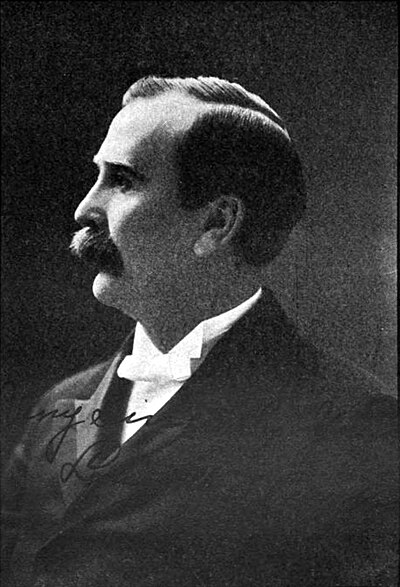
In 1891, a Boston pastor put pen to paper after witnessing something he could no longer bear to ignore. The sweat shops of Boston's garment district were trapping women and children in conditions that mimicked the worst cruelties of slavery, yet the city that prided itself on abolitionism looked away. Louis Albert Banks gave this invisible suffering a name: 'white slaves.' Through precise observation and moral fury, Banks documents the grinding hell of late nineteenth-century industrial poverty. He shows readers the cramped rooms where families worked sixteen-hour days for wages that could never cover rent, the children whose bodies broke before they reached adulthood, the women whose labor fed fortunes they would never touch. This is not abstract economics. It is specific, documented, deeply human suffering rendered with the urgency of someone who saw it through his own window. The book endures because it cuts through the mythology of American progress. It is a reminder that industrialization's promise came at a brutal cost, paid by those with no voice and no choice.
Editions
X-Ray
“True, Christ said, "The poor ye have always with you," and it is probable that we shall always need to support by charity the crippled, the insane, and the unfortunate, but it is a certain indication of rottenness in any civilization that makes charity necessary for a man or woman who is able and willing to work.””
— Louis Albert Banks
Link to this book
Add a free, dofollow link to Lex on your blog, forum, syllabus, or reading list.

<a href="https://lex-books.com/book/white-slaves-or-the-oppression-of-the-worthy-poor-5083aabf-ded0-4a17-b7bf-cc6e5a3f7d82"><img src="https://lex-books.com/badges/read-on-lex.svg" alt="Read White Slaves; Or, the Oppression of the Worthy Poor by Louis Albert Banks free on Lex" width="160" height="40"></a>[](https://lex-books.com/book/white-slaves-or-the-oppression-of-the-worthy-poor-5083aabf-ded0-4a17-b7bf-cc6e5a3f7d82)[url=https://lex-books.com/book/white-slaves-or-the-oppression-of-the-worthy-poor-5083aabf-ded0-4a17-b7bf-cc6e5a3f7d82][img]https://lex-books.com/badges/read-on-lex.svg[/img][/url]Read White Slaves; Or, the Oppression of the Worthy Poor by Louis Albert Banks free on Lex: https://lex-books.com/book/white-slaves-or-the-oppression-of-the-worthy-poor-5083aabf-ded0-4a17-b7bf-cc6e5a3f7d82Cite this book
Reading this edition for a paper or guide? Copy a citation.
Banks, Louis Albert. White Slaves; Or, the Oppression of the Worthy Poor. Lex, lex-books.com/book/white-slaves-or-the-oppression-of-the-worthy-poor-5083aabf-ded0-4a17-b7bf-cc6e5a3f7d82.Banks, L. A. (1891). White Slaves; Or, the Oppression of the Worthy Poor. Lex. https://lex-books.com/book/white-slaves-or-the-oppression-of-the-worthy-poor-5083aabf-ded0-4a17-b7bf-cc6e5a3f7d82Banks, Louis Albert. White Slaves; Or, the Oppression of the Worthy Poor. Lex. https://lex-books.com/book/white-slaves-or-the-oppression-of-the-worthy-poor-5083aabf-ded0-4a17-b7bf-cc6e5a3f7d82.