White man bery unsartin": "Nigger haint got no friends, no how"; the blackest…
White man bery unsartin": "Nigger haint got no friends, no how"; the blackest…
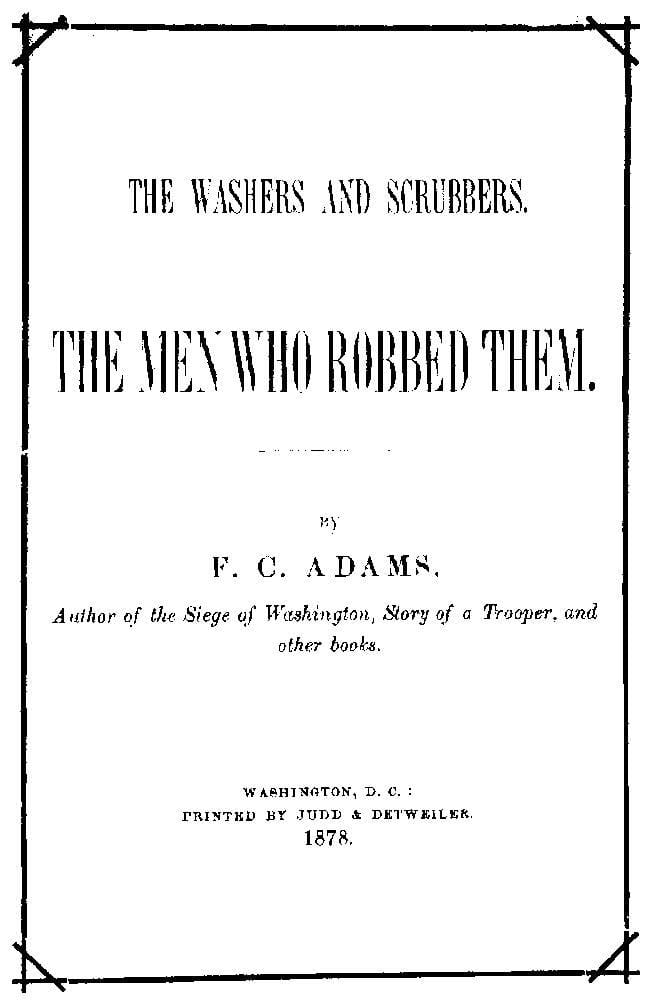
The title alone tells you everything: a bitter, unflinching account of how newly freed Black Americans were promised economic independence only to watch their savings vanish into the pockets of the very men who posed as their saviors. F. Colburn Adams documented the catastrophic collapse of the Freedmen's Savings Bank in 1874, when over $3 million in deposits, life savings accumulated by tens of thousands of Black families, disappeared into the coffers of corrupt politicians and speculators. The bank had been founded with lofty promises: a safe place for formerly enslaved people to build wealth. Instead, it became a con. Adams dissects the institutional betrayal with the precision of an investigator and the fury of a man who understood he was witnessing a crime. His account is not mere history but an indictment, packed with primary documents, ledger excerpts, and names. It stands as one of the earliest and most damning exposes of how Reconstruction-era politics weaponized Black trust for profit. The book matters now because the story it tells has not ended.