About this book
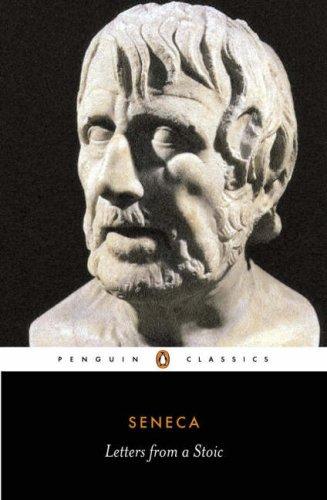
The power and wealth which Seneca the Younger (C.4 B.C.- A.D. 65) acquired as Nero's minister were in conflict with his Stoic beliefs. Nevertheless he was the outstanding figure of his age. The Stoic philosophy which Seneca professed in his writings, later supported by Marcus Aurelius, provided Rome with a passable bridge to Christianity. Seneca's major contribution to Stoicism was to spiritualize and humanize a system which could appear cold and unrealistic.
Subjects
Early works to 1800Conduct of life.EthicsConduct of lifePhilosophyBj214.s4 e73188StoaMorale pratiqueOuvrages avant 1800