The lost beliefs of northern Europe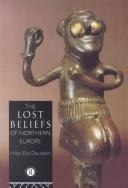
The lost beliefs of northern Europe1993
About this book
"Fragments of ancient belief have been incorporated into folklore and Christian dogma with the result that its original tenets have merged with the myths and psychologies of the intervening years. Hilda Ellis Davidson sifts through centuries of cultural and religious influences to locate evidence of these "lost" pagan beliefs. Davidson illustrates how northern pagan religions have been represented and misinterpreted by the Christian tradition and throws light on the nature of such beliefs and how they have been preserved. The Lost Beliefs of Northern Europe stresses both the possibilities and the difficulties of investigating pre-Christian faiths and emphasizes the need to separate speculation from scientific proof. This book will be a useful tool for students with a serious interest in archaeology as it illustrates with examples how objectivity is not necessarily the driving force in forming our supposedly scientific view of the past. It will also appeal to the general reader who wants to understand the true nature of Northern European pagan belief as opposed to the oversimplified view popularized by the media. The Lost Beliefs of Northern Europe argues for intellectual rigorousness rather than romanticization of the past, and challenges the reader to rethink accepted interpretations"--Publisher description.
Details
- First published
- 1993
- OL Work ID
- OL1195245W
Subjects
AntiquitiesCeltsGermanic peoplesMythology, NorseNorse MythologyReligionEurope, religionEurope, antiquitiesCeltesGermainsMythologie nordiqueAntiquitésComparative Religion