Trésor des Fèves et Fleur des Pois
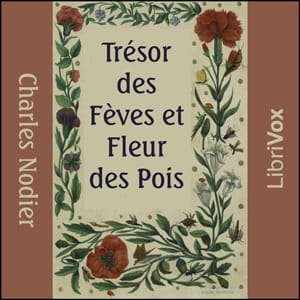
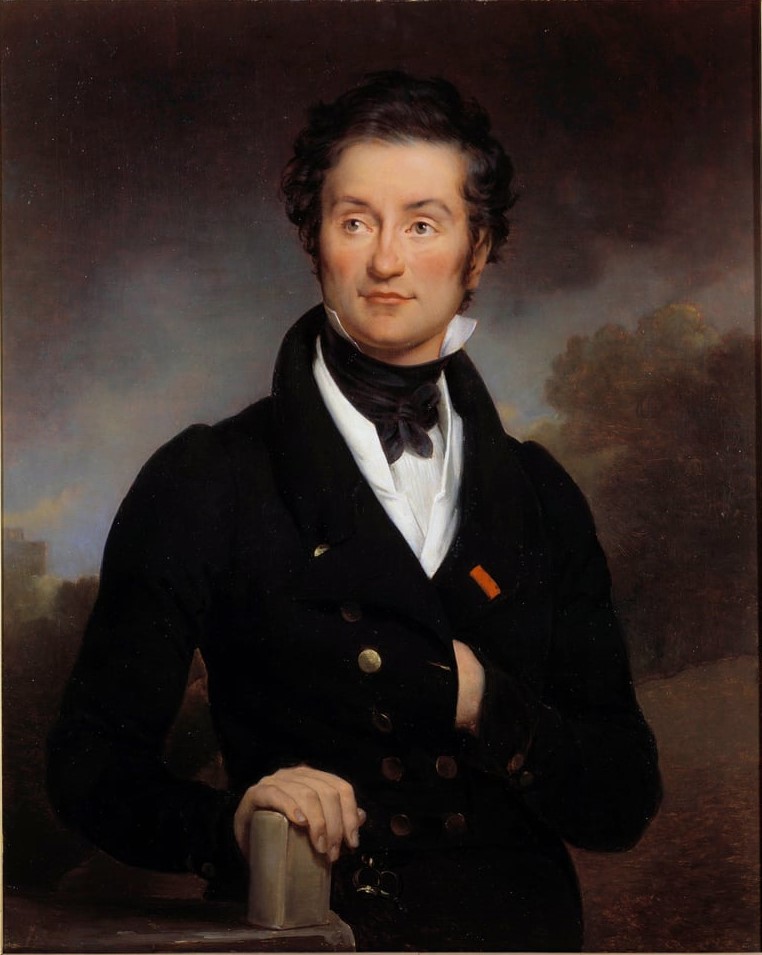
In a quiet corner of the French countryside, an elderly childless couple tend their modest bean and pea fields with weary hands, their hearts heavy with the expectation of a lonely future. One day, while weeding among the thickest tufts of beans, the wife discovers a perfectly wrapped bundle containing a remarkable infant, appearing eight months old but actually two years, already weaned and eating boiled beans with surprising delicacy. What follows is a gentle fairy tale of how this found child transforms the couple's humble existence, weaving magic through the rhythms of rural life and the simplest of foods. Charles Nodier, the romantic librarian and entomologist who presided over the Arsène Roux library, writes with the tender wisdom of a storyteller gathered around a hearth, his prose carrying the warm, earthy scent of a kitchen garden. This is not a tale of grand battles or dark curses, but of the quiet miracle that can emerge from a patch of cultivated earth, a story about what it means to befound, to belong, to be tended like a precious crop. It endures because it captures something universal: the hope that magic hides in the most ordinary places, waiting to be discovered by those patient enough to tend their fields with love.
Editions

Link to this book
Add a free, dofollow link to Lex on your blog, forum, syllabus, or reading list.

<a href="https://lex-books.com/book/tr-sor-des-f-ves-et-fleur-des-pois-23f39a06-9f11-4c84-9c15-60f9741c9dcf"><img src="https://lex-books.com/badges/read-on-lex.svg" alt="Read Trésor des Fèves et Fleur des Pois by Charles Nodier free on Lex" width="160" height="40"></a>[](https://lex-books.com/book/tr-sor-des-f-ves-et-fleur-des-pois-23f39a06-9f11-4c84-9c15-60f9741c9dcf)[url=https://lex-books.com/book/tr-sor-des-f-ves-et-fleur-des-pois-23f39a06-9f11-4c84-9c15-60f9741c9dcf][img]https://lex-books.com/badges/read-on-lex.svg[/img][/url]Read Trésor des Fèves et Fleur des Pois by Charles Nodier free on Lex: https://lex-books.com/book/tr-sor-des-f-ves-et-fleur-des-pois-23f39a06-9f11-4c84-9c15-60f9741c9dcfCite this book
Reading this edition for a paper or guide? Copy a citation.
Nodier, Charles. Trésor des Fèves et Fleur des Pois. Lex, lex-books.com/book/tr-sor-des-f-ves-et-fleur-des-pois-23f39a06-9f11-4c84-9c15-60f9741c9dcf.Nodier, C. (n.d.). Trésor des Fèves et Fleur des Pois. Lex. https://lex-books.com/book/tr-sor-des-f-ves-et-fleur-des-pois-23f39a06-9f11-4c84-9c15-60f9741c9dcfNodier, Charles. Trésor des Fèves et Fleur des Pois. Lex. https://lex-books.com/book/tr-sor-des-f-ves-et-fleur-des-pois-23f39a06-9f11-4c84-9c15-60f9741c9dcf.