Thomas Moore
1818
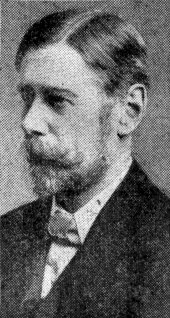
Stephen Lucius Gwynn's biography illuminates the life of Thomas Moore, the Irish poet and lyricist who became his nation's unofficial bard in the early nineteenth century. Moore emerged from modest Dublin beginnings to command the attention of European literary circles, yet his ambitions were never purely aesthetic. His Irish Melodies, beginning in 1808, transformed ancient Gaelic tunes into verses that spoke quietly but unmistakably of dispossession and resistance, giving generations of Irishmen a voice when open political speech remained dangerous. With Lalla Rookh, his elaborate orientalist epic, Moore achieved continental fame, securing his place among the leading Romantics while embedding the same themes of lost kingdoms and faithful betrayal within its ornamental verses. But Moore was also a sharp satirical pen, moving through London's Whig salons where his verses targeted Lord Castlereagh and the broken promises of Catholic emancipation. This biography traces how a young man from a subordinate nation earned the ear of empire while never abandoning its cause. For readers interested in the politics of poetry, or the delicate art of resistance under colonial rule, Gwynn's portrait offers essential context for understanding how literature can serve as both refuge and weapon.
Editions
Link to this book
Add a free, dofollow link to Lex on your blog, forum, syllabus, or reading list.

<a href="https://lex-books.com/book/thomas-moore-6662b751-d074-4e7e-bd87-1f1f280012f3"><img src="https://lex-books.com/badges/read-on-lex.svg" alt="Read Thomas Moore by Stephen Lucius Gwynn free on Lex" width="160" height="40"></a>[](https://lex-books.com/book/thomas-moore-6662b751-d074-4e7e-bd87-1f1f280012f3)[url=https://lex-books.com/book/thomas-moore-6662b751-d074-4e7e-bd87-1f1f280012f3][img]https://lex-books.com/badges/read-on-lex.svg[/img][/url]Read Thomas Moore by Stephen Lucius Gwynn free on Lex: https://lex-books.com/book/thomas-moore-6662b751-d074-4e7e-bd87-1f1f280012f3Cite this book
Reading this edition for a paper or guide? Copy a citation.
Gwynn, Stephen Lucius. Thomas Moore. Lex, lex-books.com/book/thomas-moore-6662b751-d074-4e7e-bd87-1f1f280012f3.Gwynn, S. L. (1818). Thomas Moore. Lex. https://lex-books.com/book/thomas-moore-6662b751-d074-4e7e-bd87-1f1f280012f3Gwynn, Stephen Lucius. Thomas Moore. Lex. https://lex-books.com/book/thomas-moore-6662b751-d074-4e7e-bd87-1f1f280012f3.