The Walls of Constantinople
1910
The Walls of Constantinople
1910
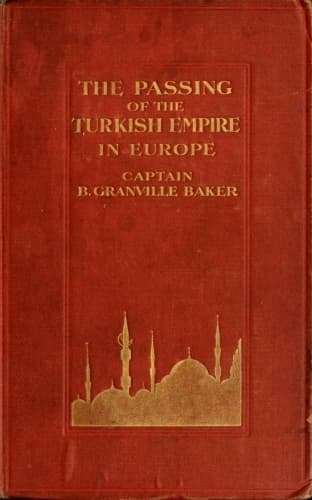
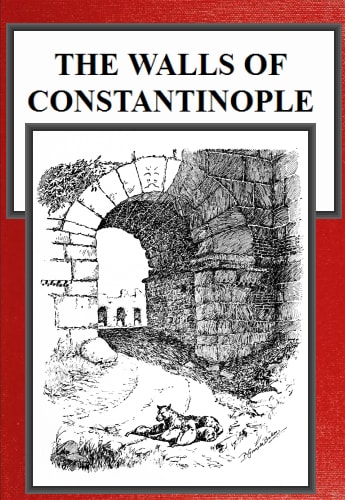
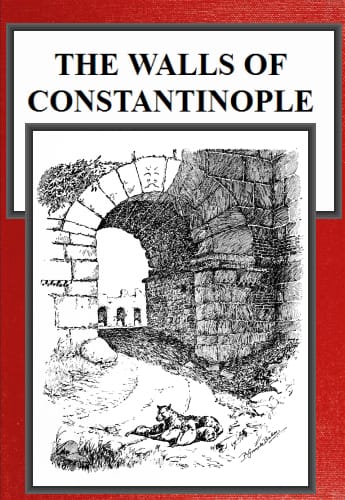
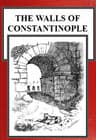
For over a thousand years, the walls of Constantinople stood as the most formidable fortification in the medieval world. This 1910 historical account traces the arc of that legendary barrier from its origins under Constantine through the great sieges that tested its mettle and its ultimate fall to the Ottoman Turks in 1453. Granville Baker weaves together the architectural grandeur of these double walls with the human drama of emperors, conquerors, and crusaders who shaped one of history's most contested cities. The narrative captures Constantinople's unique identity as the last bastion of Christian Rome and its transformation into a beacon of Islamic culture. These walls did more than protect stone and mortar; they shielded a civilization, preserving Greek and Roman learning through the Dark Ages while the city became the crossroads where East met West.
Editions
X-Ray
Legendary Greek seafarer who founded Byzantium after receiving guidance from the Oracle of Poseidon. He established the first settlement on the site that would become Constantinople.
Roman Emperor who refounded Byzantium as Constantinople in 330 AD, making it the capital of the Eastern Roman Empire. He embraced Christianity and built many churches.
Eastern Roman Emperor who defeated the Goths and built the massive Theodosian walls that protected Constantinople for over a thousand years. He made Christianity the official religion.
Eastern Roman Emperor who completed and strengthened the Theodosian walls after earthquake damage. His walls defined Constantinople's final boundaries.
About The Walls of Constantinople
Chapter Summaries
- Preface
- Baker explains his motivation for writing about Constantinople's walls, acknowledging his debt to previous scholars and expressing concern about plans to demolish these historic fortifications. He notes the book follows a tour around the walls rather than strict chronological order.
- I
- The legendary founding of Byzantium by Byzas following the Oracle's guidance, and the city's growth into Constantinople under Constantine. Baker traces the city's role as a bulwark protecting Europe from Eastern invasions throughout history.
- II
- A journey up the Bosphorus approaching Constantinople, describing the various castles, villages, and historical sites along the way. The chapter emphasizes the proper leisurely Eastern approach to travel and sightseeing.
Key Themes
- The Rise and Fall of Empires
- The book traces the cyclical nature of imperial power, from the Greek founding of Byzantium through Roman expansion, Byzantine glory, and Ottoman conquest. Each empire reaches its zenith before declining due to internal weakness and external pressure.
- The Clash of Civilizations
- The walls witness the ongoing conflict between Christian Europe and Islamic Asia, representing the frontier where different religions, cultures, and political systems met in both peaceful exchange and violent confrontation.
- The Power of Fortification
- The walls themselves become characters in the narrative, demonstrating how human engineering and determination can shape history by protecting civilization and enabling cultural development behind their shelter.
Characters
- Byzas(protagonist)
- Legendary Greek seafarer who founded Byzantium after receiving guidance from the Oracle of Poseidon. He established the first settlement on the site that would become Constantinople.
- Constantine the Great(major)
- Roman Emperor who refounded Byzantium as Constantinople in 330 AD, making it the capital of the Eastern Roman Empire. He embraced Christianity and built many churches.
- Theodosius I (the Great)(major)
- Eastern Roman Emperor who defeated the Goths and built the massive Theodosian walls that protected Constantinople for over a thousand years. He made Christianity the official religion.
- Theodosius II(major)
- Eastern Roman Emperor who completed and strengthened the Theodosian walls after earthquake damage. His walls defined Constantinople's final boundaries.
- Justinian I (the Great)(major)
- Byzantine Emperor known for his legal code and architectural achievements including Hagia Sophia. He ruled with his controversial wife Theodora.
- Theodora(major)
- Former actress and dancer who became Justinian's empress. She wielded significant political power and influenced imperial policy, though her past made her controversial.
Link to this book
Add a free, dofollow link to Lex on your blog, forum, syllabus, or reading list.

<a href="https://lex-books.com/book/the-walls-of-constantinople-1d09d7d1-10bd-43db-b075-869262e87f61"><img src="https://lex-books.com/badges/read-on-lex.svg" alt="Read The Walls of Constantinople by B. Granville Baker free on Lex" width="160" height="40"></a>[](https://lex-books.com/book/the-walls-of-constantinople-1d09d7d1-10bd-43db-b075-869262e87f61)[url=https://lex-books.com/book/the-walls-of-constantinople-1d09d7d1-10bd-43db-b075-869262e87f61][img]https://lex-books.com/badges/read-on-lex.svg[/img][/url]Read The Walls of Constantinople by B. Granville Baker free on Lex: https://lex-books.com/book/the-walls-of-constantinople-1d09d7d1-10bd-43db-b075-869262e87f61Cite this book
Reading this edition for a paper or guide? Copy a citation.
Baker, B. Granville. The Walls of Constantinople. Lex, lex-books.com/book/the-walls-of-constantinople-1d09d7d1-10bd-43db-b075-869262e87f61.Baker, B. G. (1910). The Walls of Constantinople. Lex. https://lex-books.com/book/the-walls-of-constantinople-1d09d7d1-10bd-43db-b075-869262e87f61Baker, B. Granville. The Walls of Constantinople. Lex. https://lex-books.com/book/the-walls-of-constantinople-1d09d7d1-10bd-43db-b075-869262e87f61.