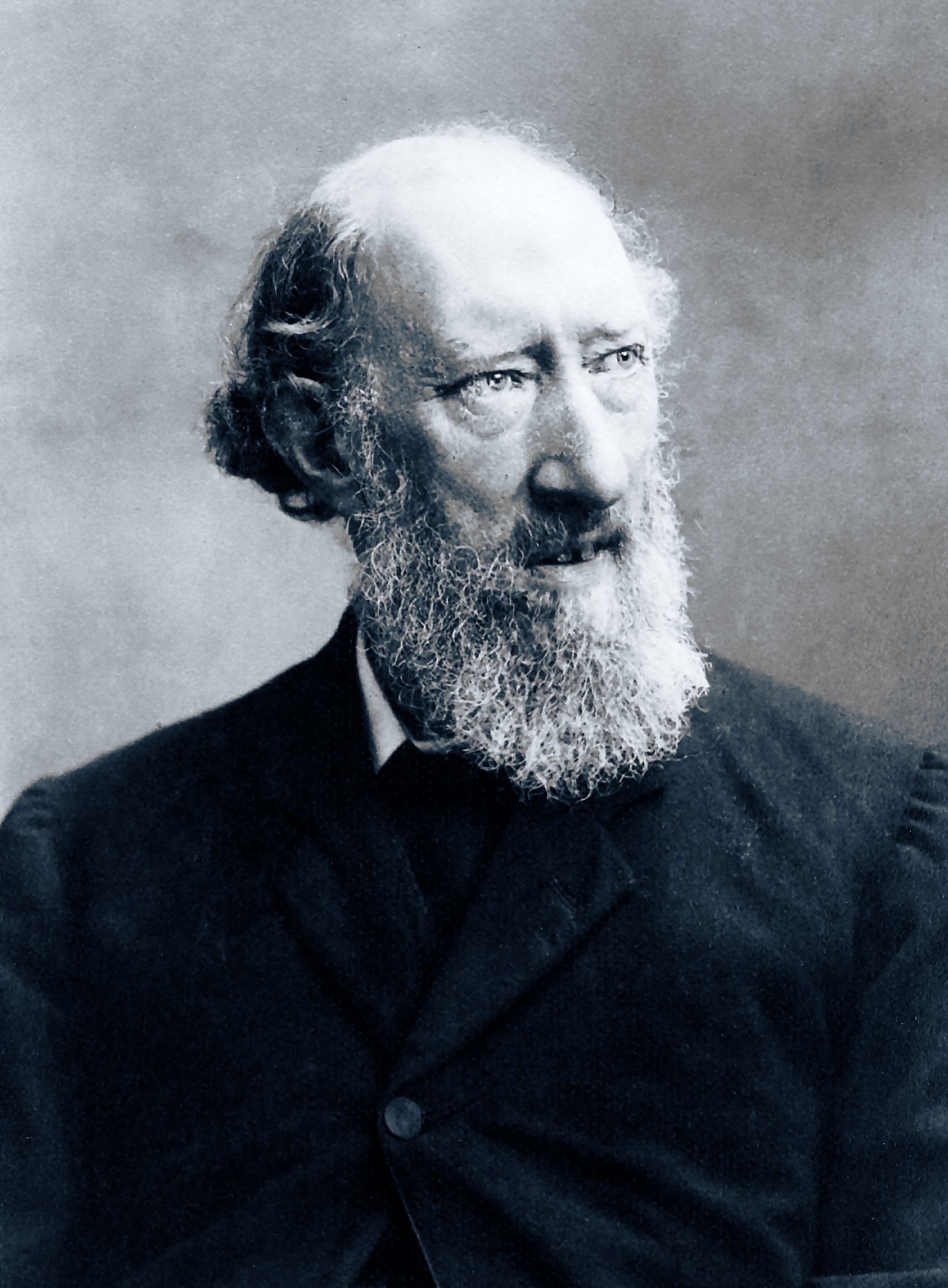
The Thirty Years' War, 1618-1648
The Thirty Years' War, 1618-1648
Thirty million dead. Germany laid to waste. A continent torn apart for three decades over questions of faith and power that already seemed obsolete. The Thirty Years' War was not merely a conflict but an apocalypse in slow motion, where Protestant princes battled Catholic emperors, where Sweden's Lutheran king became a German terror, and where France's cardinal Richelieu discovered that the real enemy was not heresy but Habsburg supremacy. Gardiner, the Victorian scholar who defined how we understand this era, traces the war's arc from the Defenestration of Prague to the Peace of Westphalia, showing how religious conviction curdled into naked territorial ambition and how the Holy Roman Empire's ancient structure finally collapsed under the weight of its own contradictions. The peace that ended it created something new: a Europe of sovereign states that would hold its terrible balance for nearly three centuries. This is history that explains the modern world.
Editions
Link to this book
Add a free, dofollow link to Lex on your blog, forum, syllabus, or reading list.

<a href="https://lex-books.com/book/the-thirty-years-war-1618-1648-ba69518a-613b-4095-bb1c-f6f9ba962103"><img src="https://lex-books.com/badges/read-on-lex.svg" alt="Read The Thirty Years' War, 1618-1648 by Samuel Rawson Gardiner free on Lex" width="160" height="40"></a>[](https://lex-books.com/book/the-thirty-years-war-1618-1648-ba69518a-613b-4095-bb1c-f6f9ba962103)[url=https://lex-books.com/book/the-thirty-years-war-1618-1648-ba69518a-613b-4095-bb1c-f6f9ba962103][img]https://lex-books.com/badges/read-on-lex.svg[/img][/url]Read The Thirty Years' War, 1618-1648 by Samuel Rawson Gardiner free on Lex: https://lex-books.com/book/the-thirty-years-war-1618-1648-ba69518a-613b-4095-bb1c-f6f9ba962103Cite this book
Reading this edition for a paper or guide? Copy a citation.
Gardiner, Samuel Rawson. The Thirty Years' War, 1618-1648. Lex, lex-books.com/book/the-thirty-years-war-1618-1648-ba69518a-613b-4095-bb1c-f6f9ba962103.Gardiner, S. R. (n.d.). The Thirty Years' War, 1618-1648. Lex. https://lex-books.com/book/the-thirty-years-war-1618-1648-ba69518a-613b-4095-bb1c-f6f9ba962103Gardiner, Samuel Rawson. The Thirty Years' War, 1618-1648. Lex. https://lex-books.com/book/the-thirty-years-war-1618-1648-ba69518a-613b-4095-bb1c-f6f9ba962103.