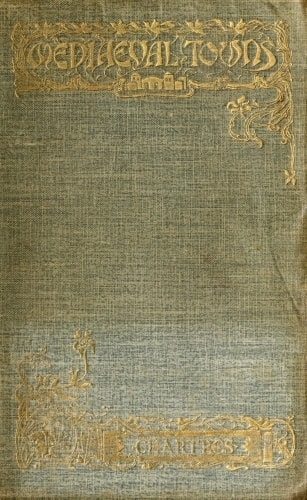
The Story of Perugia
1908
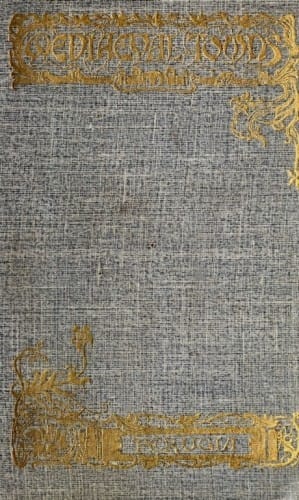
Perugia rises from the Umbrian hills like a chronicle in stone, and Margaret Symonds tells its story with the affection of someone who understood that cities, like people, are made of their wounds and triumphs. From prehistoric settlements through Etruscan walls, Roman conquest, and the turbulent Renaissance when families like the Baglioni clashed for dominance, this book traces the arc of a city that refused to be subdued. Symonds weaves together Perugia's architectural evolution, its Palazzo Pubblico, the great fountain, the Duomo, showing how each generation left its mark on the hilltop. She captures what makes Perugia distinct: a city that was never quite Rome, never quite Florence, but something wilder, more independent, fiercely protective of its autonomy even as empires rose and fell around it. This is history as affection, not abstraction, written at a time when scholars still believed a city could have a soul worth knowing.
Editions
Link to this book
Add a free, dofollow link to Lex on your blog, forum, syllabus, or reading list.

<a href="https://lex-books.com/book/the-story-of-perugia-7e4728da-5b2d-428b-8040-d675440718b7"><img src="https://lex-books.com/badges/read-on-lex.svg" alt="Read The Story of Perugia by Margaret Symonds free on Lex" width="160" height="40"></a>[](https://lex-books.com/book/the-story-of-perugia-7e4728da-5b2d-428b-8040-d675440718b7)[url=https://lex-books.com/book/the-story-of-perugia-7e4728da-5b2d-428b-8040-d675440718b7][img]https://lex-books.com/badges/read-on-lex.svg[/img][/url]Read The Story of Perugia by Margaret Symonds free on Lex: https://lex-books.com/book/the-story-of-perugia-7e4728da-5b2d-428b-8040-d675440718b7Cite this book
Reading this edition for a paper or guide? Copy a citation.
Symonds, Margaret. The Story of Perugia. Lex, lex-books.com/book/the-story-of-perugia-7e4728da-5b2d-428b-8040-d675440718b7.Symonds, M. (1908). The Story of Perugia. Lex. https://lex-books.com/book/the-story-of-perugia-7e4728da-5b2d-428b-8040-d675440718b7Symonds, Margaret. The Story of Perugia. Lex. https://lex-books.com/book/the-story-of-perugia-7e4728da-5b2d-428b-8040-d675440718b7.