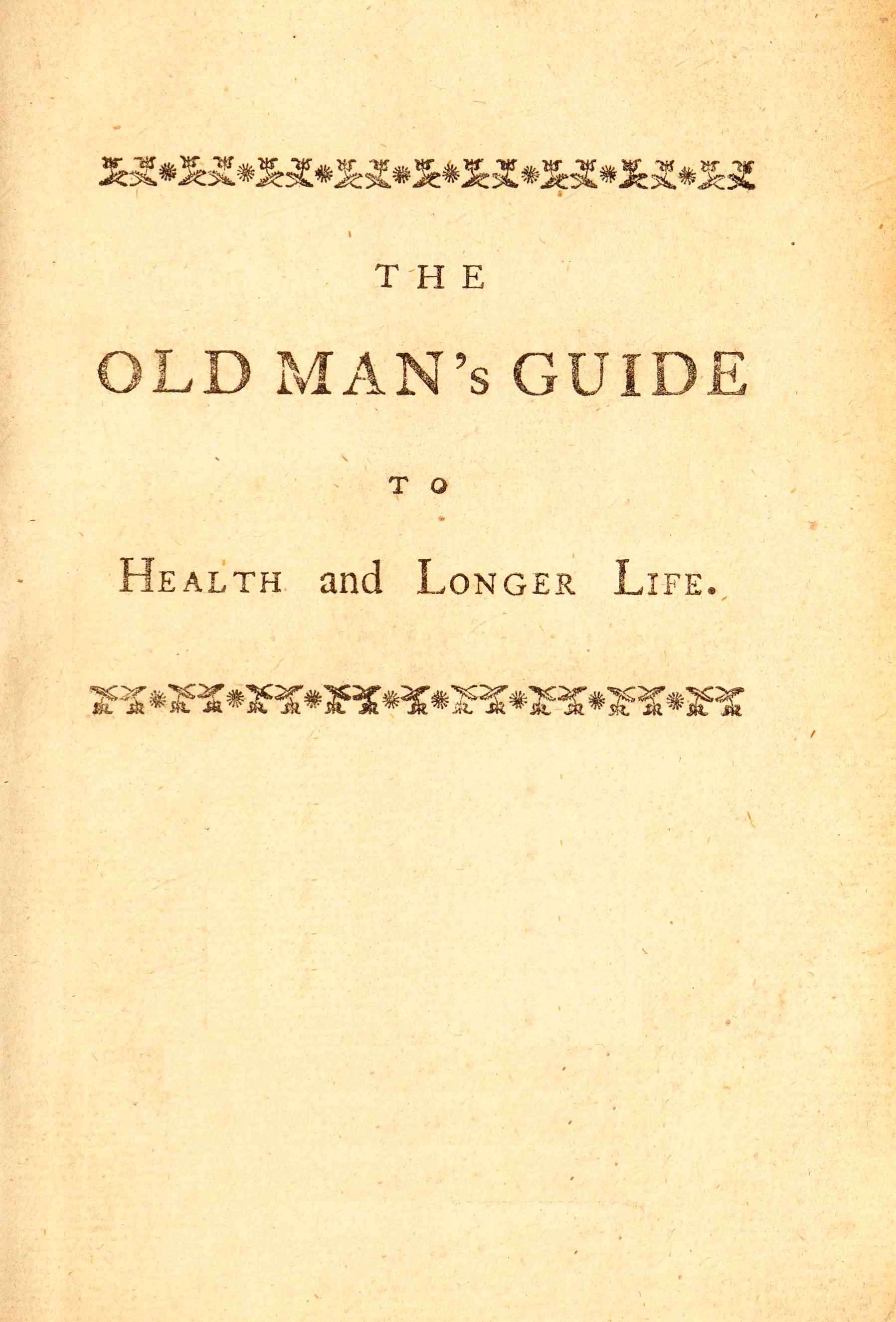
The Story of Elizabeth Canning Considered
1753

The Story of Elizabeth Canning Considered
1753
The Elizabeth Canning scandal of 1753 divided England like few other affairs. A young servant girl vanished for a month, then reappeared with a tale of abduction and imprisonment, and the nation took sides. John Hill, writing just months after the事件, constructed an impassioned defense of Canning's account, dismantling the witness testimony that threatened to condemn her. This is forensic writing before forensics existed. Hill methodically dissects the conflicting stories, particularly the damning testimony of Virtue Hall, exposing contradictions and ulterior motives. He argues that the case against Canning rested not on evidence but on public hysteria and class prejudice, a young woman's word against respectable gentlemen. Part legal brief, part social commentary, this text reveals the eighteenth-century appetite for scandal and the dangerous ease with which the mob decides guilt. Hill's passion sometimes exceeds his objectivity, which only makes the document more fascinating as a window into how truth was constructed and contested in an era before modern investigation.
Editions
Link to this book
Add a free, dofollow link to Lex on your blog, forum, syllabus, or reading list.

<a href="https://lex-books.com/book/the-story-of-elizabeth-canning-considered-4bbb4a99-17b7-4f3e-a924-6268a1a90938"><img src="https://lex-books.com/badges/read-on-lex.svg" alt="Read The Story of Elizabeth Canning Considered by John Hill free on Lex" width="160" height="40"></a>[](https://lex-books.com/book/the-story-of-elizabeth-canning-considered-4bbb4a99-17b7-4f3e-a924-6268a1a90938)[url=https://lex-books.com/book/the-story-of-elizabeth-canning-considered-4bbb4a99-17b7-4f3e-a924-6268a1a90938][img]https://lex-books.com/badges/read-on-lex.svg[/img][/url]Read The Story of Elizabeth Canning Considered by John Hill free on Lex: https://lex-books.com/book/the-story-of-elizabeth-canning-considered-4bbb4a99-17b7-4f3e-a924-6268a1a90938Cite this book
Reading this edition for a paper or guide? Copy a citation.
Hill, John. The Story of Elizabeth Canning Considered. Lex, lex-books.com/book/the-story-of-elizabeth-canning-considered-4bbb4a99-17b7-4f3e-a924-6268a1a90938.Hill, J. (1753). The Story of Elizabeth Canning Considered. Lex. https://lex-books.com/book/the-story-of-elizabeth-canning-considered-4bbb4a99-17b7-4f3e-a924-6268a1a90938Hill, John. The Story of Elizabeth Canning Considered. Lex. https://lex-books.com/book/the-story-of-elizabeth-canning-considered-4bbb4a99-17b7-4f3e-a924-6268a1a90938.