The Seventh Day Sabbath, a Perpetual Sign, from the Beginning to the Entering into the Gates of the Holy City, According to the Commandment
1846
The Seventh Day Sabbath, a Perpetual Sign, from the Beginning to the Entering into the Gates of the Holy City, According to the Commandment
1846
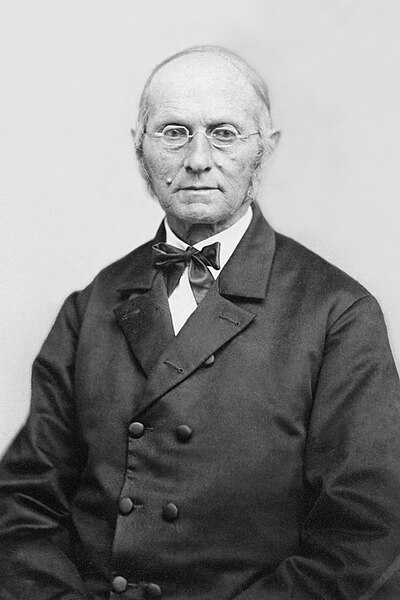
Joseph Bates was among the first to articulate what would become core Seventh-day Adventist theology, and this 1846 treatise remains the foundational text. He builds an exhaustive biblical case: the seventh-day Sabbath was instituted at Creation, embedded in the fabric of the world itself, and therefore belongs to all humanity, not merely the Jews. Bates traces what he sees as the corruption of Sabbath observance through history, arguing that the shift to Sunday reflects papal overreach rather than scriptural mandate. For Bates, abandoning the Sabbath isn't a minor doctrinal difference. It represents a fracture in the entire moral law, a creeping apostasy that threatens salvation itself. The book reads as both theological argument and urgent plea, written by a man convinced he has uncovered a critical truth the church had lost. Whether you find his conclusions convincing or not, the text remains essential reading for understanding one of America's distinctive religious movements and the biblical hermeneutics that shaped it.
Editions
Link to this book
Add a free, dofollow link to Lex on your blog, forum, syllabus, or reading list.

<a href="https://lex-books.com/book/the-seventh-day-sabbath-a-perpetual-sign-from-the-beginning-to-the-entering-into-5f2c23c9-c480-4dac-8374-d3d49548b5bf"><img src="https://lex-books.com/badges/read-on-lex.svg" alt="Read The Seventh Day Sabbath, a Perpetual Sign, from the Beginning to the Entering into the Gates of the Holy City, According to the Commandment by Joseph Bates free on Lex" width="160" height="40"></a>[](https://lex-books.com/book/the-seventh-day-sabbath-a-perpetual-sign-from-the-beginning-to-the-entering-into-5f2c23c9-c480-4dac-8374-d3d49548b5bf)[url=https://lex-books.com/book/the-seventh-day-sabbath-a-perpetual-sign-from-the-beginning-to-the-entering-into-5f2c23c9-c480-4dac-8374-d3d49548b5bf][img]https://lex-books.com/badges/read-on-lex.svg[/img][/url]Read The Seventh Day Sabbath, a Perpetual Sign, from the Beginning to the Entering into the Gates of the Holy City, According to the Commandment by Joseph Bates free on Lex: https://lex-books.com/book/the-seventh-day-sabbath-a-perpetual-sign-from-the-beginning-to-the-entering-into-5f2c23c9-c480-4dac-8374-d3d49548b5bfCite this book
Reading this edition for a paper or guide? Copy a citation.
Bates, Joseph. The Seventh Day Sabbath, a Perpetual Sign, from the Beginning to the Entering into the Gates of the Holy City, According to the Commandment. Lex, lex-books.com/book/the-seventh-day-sabbath-a-perpetual-sign-from-the-beginning-to-the-entering-into-5f2c23c9-c480-4dac-8374-d3d49548b5bf.Bates, J. (1846). The Seventh Day Sabbath, a Perpetual Sign, from the Beginning to the Entering into the Gates of the Holy City, According to the Commandment. Lex. https://lex-books.com/book/the-seventh-day-sabbath-a-perpetual-sign-from-the-beginning-to-the-entering-into-5f2c23c9-c480-4dac-8374-d3d49548b5bfBates, Joseph. The Seventh Day Sabbath, a Perpetual Sign, from the Beginning to the Entering into the Gates of the Holy City, According to the Commandment. Lex. https://lex-books.com/book/the-seventh-day-sabbath-a-perpetual-sign-from-the-beginning-to-the-entering-into-5f2c23c9-c480-4dac-8374-d3d49548b5bf.