The Romantic Composers
1906

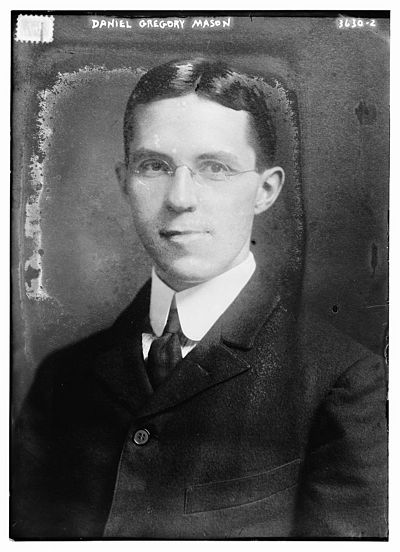
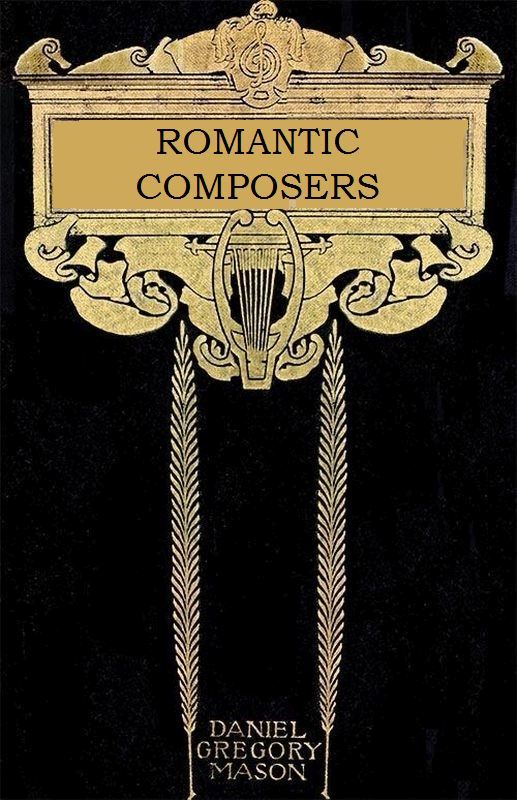
At the turn of the 20th century, an American composer-critic sat down to explain why the Romantic composers mattered, and in doing so, he captured something pure musicology often misses: the raw human urgency behind the notes. Daniel Gregory Mason's study begins where all great music writing begins, with the recognition that you cannot separate the art from the artist. He traces the journey from Schubert's whispered revolutionary innovations through Schumann's confessional piano cycles, Mendelssohn's classical-Romantic synthesis, Chopin's poeticKeyboard revolution, Berlioz's orchestral nightmares, and Liszt's volcanic piano technique. For Mason, each composer represents not merely a style but a breakthrough in how music could convey the inexpressible. The book argues that Romanticism was not a departure from tradition but its fulfillment: composers finally claimed permission to pour their private selves into public art. Written in 1906, this volume carries the freshness of someone who still felt the aftershocks of these revolutions. It remains essential reading for anyone who wants to understand not just what Romantic music sounds like, but why it still makes listeners feel exposed and alive.
Editions
Link to this book
Add a free, dofollow link to Lex on your blog, forum, syllabus, or reading list.

<a href="https://lex-books.com/book/the-romantic-composers-7f70e1b3-e8ce-4858-8e61-9236f99e4f12"><img src="https://lex-books.com/badges/read-on-lex.svg" alt="Read The Romantic Composers by Daniel Gregory Mason free on Lex" width="160" height="40"></a>[](https://lex-books.com/book/the-romantic-composers-7f70e1b3-e8ce-4858-8e61-9236f99e4f12)[url=https://lex-books.com/book/the-romantic-composers-7f70e1b3-e8ce-4858-8e61-9236f99e4f12][img]https://lex-books.com/badges/read-on-lex.svg[/img][/url]Read The Romantic Composers by Daniel Gregory Mason free on Lex: https://lex-books.com/book/the-romantic-composers-7f70e1b3-e8ce-4858-8e61-9236f99e4f12Cite this book
Reading this edition for a paper or guide? Copy a citation.
Mason, Daniel Gregory. The Romantic Composers. Lex, lex-books.com/book/the-romantic-composers-7f70e1b3-e8ce-4858-8e61-9236f99e4f12.Mason, D. G. (1906). The Romantic Composers. Lex. https://lex-books.com/book/the-romantic-composers-7f70e1b3-e8ce-4858-8e61-9236f99e4f12Mason, Daniel Gregory. The Romantic Composers. Lex. https://lex-books.com/book/the-romantic-composers-7f70e1b3-e8ce-4858-8e61-9236f99e4f12.