The Rise of Universities

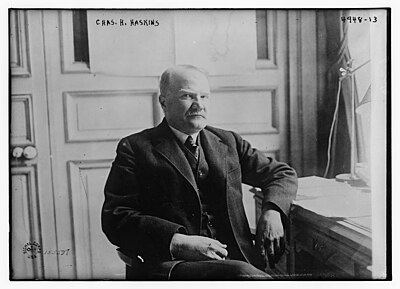
Charles Homer Haskins transforms what could be dry academic history into a gripping account of intellectual revolution. Published in 1927, this landmark work traces the emergence of the medieval university from the cathedral schools and monastic centers of 12th-century Europe, showing how a new kind of learning, organized and sustained by young scholars themselves, forever changed how knowledge would be transmitted and advanced. Haskins follows the students and masters of Bologna, Paris, and Oxford as they forge the institutions and traditions that still shape higher education today: the degrees, the faculties, the very concept of a university as an autonomous community of learning. His argument is bold: these medieval foundations were not mere precursors to modern institutions but revolutionary innovations in their own right, born from a medieval intellectual curiosity as dynamic as anything in the Renaissance. Written with literary grace and scholarly rigor, this book remains essential reading for anyone who wants to understand where the university came from and why it matters.
Editions

Link to this book
Add a free, dofollow link to Lex on your blog, forum, syllabus, or reading list.

<a href="https://lex-books.com/book/the-rise-of-universities-92459893-fed7-4fce-ad29-343e562775f6"><img src="https://lex-books.com/badges/read-on-lex.svg" alt="Read The Rise of Universities by Charles Homer Haskins free on Lex" width="160" height="40"></a>[](https://lex-books.com/book/the-rise-of-universities-92459893-fed7-4fce-ad29-343e562775f6)[url=https://lex-books.com/book/the-rise-of-universities-92459893-fed7-4fce-ad29-343e562775f6][img]https://lex-books.com/badges/read-on-lex.svg[/img][/url]Read The Rise of Universities by Charles Homer Haskins free on Lex: https://lex-books.com/book/the-rise-of-universities-92459893-fed7-4fce-ad29-343e562775f6Cite this book
Reading this edition for a paper or guide? Copy a citation.
Haskins, Charles Homer. The Rise of Universities. Lex, lex-books.com/book/the-rise-of-universities-92459893-fed7-4fce-ad29-343e562775f6.Haskins, C. H. (n.d.). The Rise of Universities. Lex. https://lex-books.com/book/the-rise-of-universities-92459893-fed7-4fce-ad29-343e562775f6Haskins, Charles Homer. The Rise of Universities. Lex. https://lex-books.com/book/the-rise-of-universities-92459893-fed7-4fce-ad29-343e562775f6.